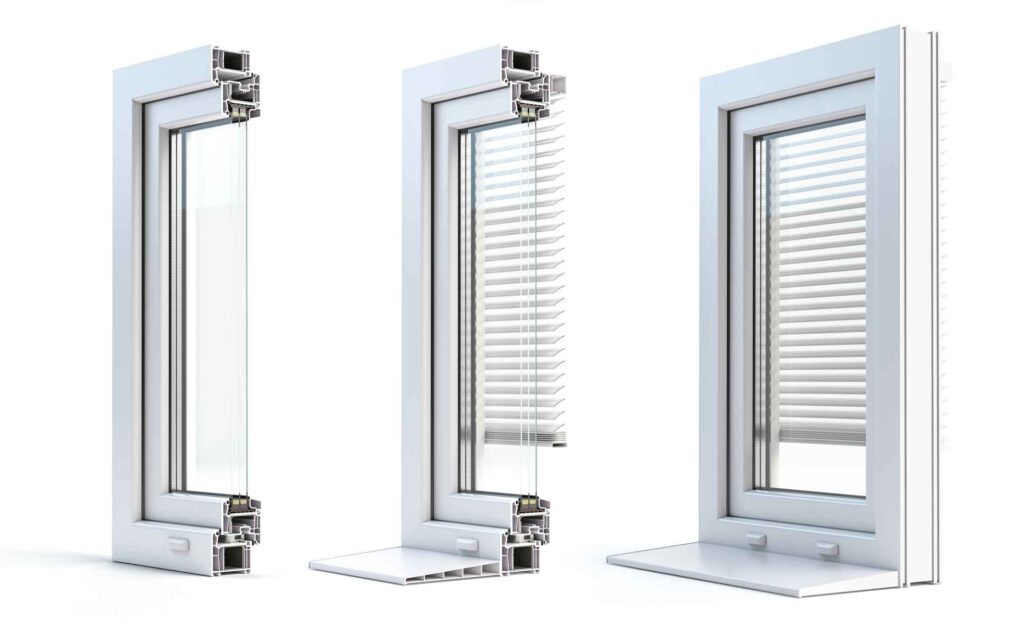
Technical Insight & Information Gain Optimizing Thermal, Acoustic & Privacy Performance in Modern Fenestration
When purchasing Privacy Glass Windows at a wholesale level, engineering teams face a common paradox: how to achieve total sightline obscurity without diminishing daylight harvesting or violating building energy codes (such as California Title 24, IECC, and ENERGY STAR criteria). A common misconception among international buyers is that obscure or frosted glass naturally blocks heat gain. In reality, texturing alone has minimal impact on infrared radiation transmission.
Engineering Takeaway: Privacy textures modify visible light angle diffusion, but solar heat gain control is entirely dictated by spectrally selective low-emissivity coatings (such as triple-silver LoĒ³-366) and warm-edge spacer design within the insulated glass airspace.
1. Triple-Silver Low-E Coating Integration with Obscure Patterns
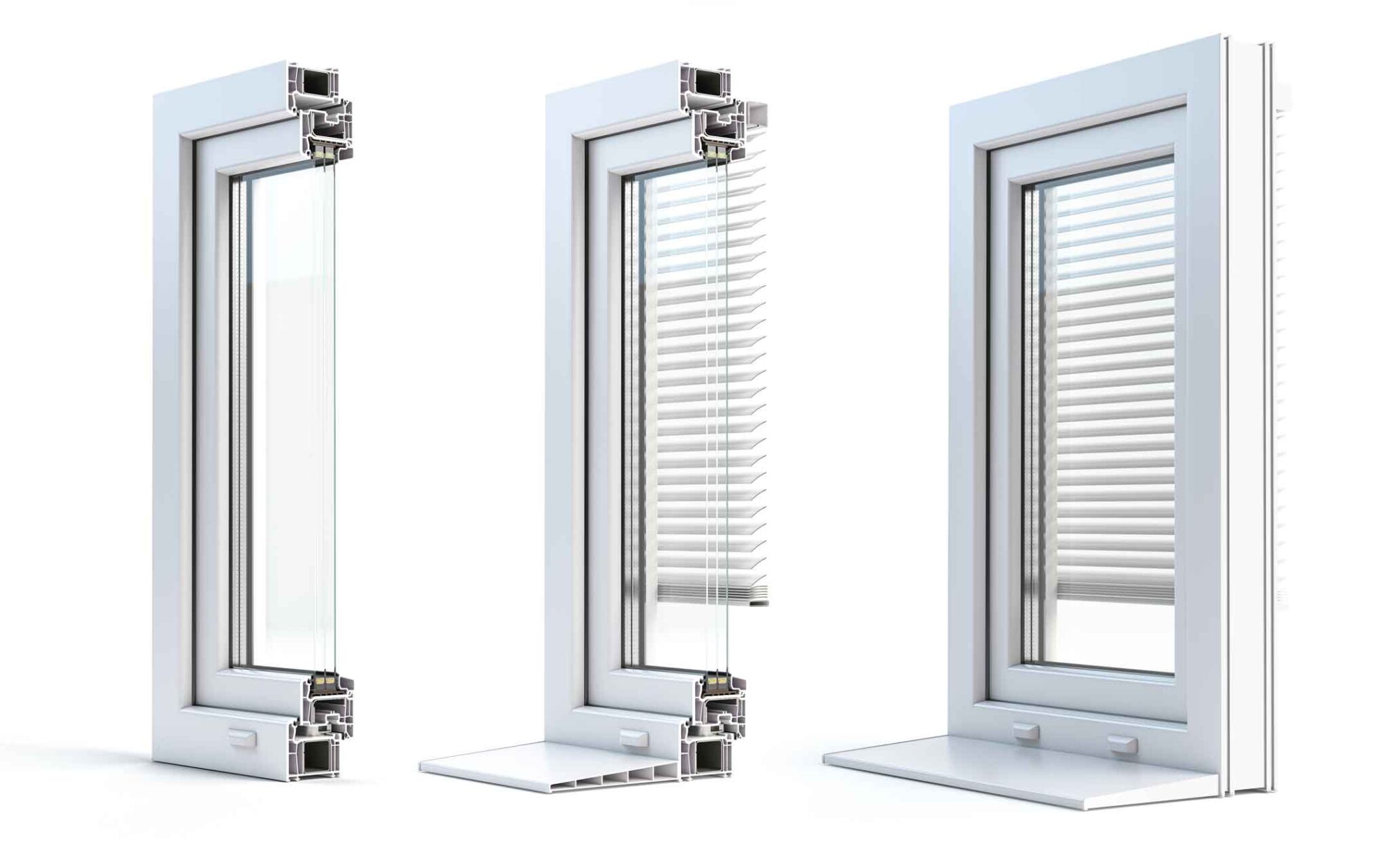
To deliver peak energy conservation alongside complete interior privacy, Amar Vinyl Windows utilizes a double-sealed insulated glass unit (IGU) construction:
- Exterior Lite (Outboard Pane): 1/8" (3mm) or 3/16" (4mm) Clear Float Glass with microscopic LoĒ³-366 triple-silver coating applied to Surface #2. This layer reflects up to 95% of invisible solar heat gain while blocking harmful ultraviolet rays.
- Thermal Airspace: 1/2" (12.7mm) precision airspace enclosed with a warm-edge stainless steel spacer system, desiccated to prevent internal condensation, and pressurized with 90% high-purity Argon gas.
- Interior Lite (Inboard Pane): 1/8" (3mm) or 3/16" (4mm) Obscure, Satin Etched, or Rain pattern glass positioning the textured face inward toward Surface #4. This prevents dust accumulation on textured grooves and simplifies glass maintenance.
2. Acoustic Decibel Reduction (STC & OITC Ratings)
Noise pollution in urban hotel projects and multi-family developments significantly diminishes tenant satisfaction. Standard dual-pane privacy windows yield a Sound Transmission Class (STC) rating of approximately 28 to 30. Amar’s engineering team enhances acoustic dampening through asymmetric mass glazing and laminated interlayers:
- Asymmetric Dissimilar Glass Thicknesses: Combining a 3/16" exterior lite with a 1/8" interior privacy lite disrupts soundwave resonance, reducing noise transfer by up to 3 to 5 STC points.
- Acoustic PVB Lamination: Inserting a 0.030" or 0.060" Polyvinyl Butyral (PVB) acoustic interlayer inside a laminated privacy lite absorbs low-frequency traffic and high-frequency aircraft noises, boosting performance to STC 38–42.
Structural Rigidity & AAMA/WDMA Standards
Heavy insulated privacy glass units require high structural frame integrity to prevent sash sagging over time. Amar's multi-chamber vinyl profile designs incorporate internal steel reinforcement channels where required by design pressure (DP) calculations. Our fusion-welded corners exceed AAMA/WDMA/CSA 101/I.S.2/A440 structural standards, guaranteeing that window sashes operate smoothly across decades of intense thermal expansion cycles.