Direct factory-supplied fenestration systems and precision insect screen integration designed for high-durability and energy-efficient building envelopes.
An in-depth technical analysis for property developers, general contractors, and trade procurement officers operating across Osaka Prefecture and the wider Kansai region.
Sourcing insect screens and fenestration accessories for Osaka requires navigating unique environmental and architectural challenges. Situated along Osaka Bay and traversed by major river channels such as the Yodo and Yamato Rivers, Osaka experiences a humid subtropical climate characterized by intense summer heat, high atmospheric moisture, seasonal typhoon pressures, and airborne coastal salinity.
Architects and builders operating in commercial nodes like Umeda, Namba, and Honmachi, as well as coastal redevelopment districts in Nanko, require window screen assemblies engineered to withstand rigorous micro-environmental pressures:
Japan’s national push toward Net Zero Energy Houses (ZEH) and strict updates to energy efficiency standards under the *Energy Conservation Act* have fundamentally changed fenestration requirements in Osaka. Windows and integrated screen modules are no longer treated as passive barriers; they are dynamic thermal envelope components.
Modern residential towers in Tennoji and Kita-ku prioritize cross-ventilation strategies to reduce air conditioning loads during hot summer months. Integrating high-transmittance, low-visibility mesh allows maximum natural ventilation during moderate weather without sacrificing indoor thermal performance when windows are sealed.
Furthermore, earthquake resilience is paramount throughout Japan. Rigid screen frames integrated into multi-family dwellings must maintain structural integrity under inter-story drift during seismic events. Our structural frame systems utilize corner-welded vinyl and reinforced aluminum assemblies that flex under seismic load without popping out or binding the window sash.
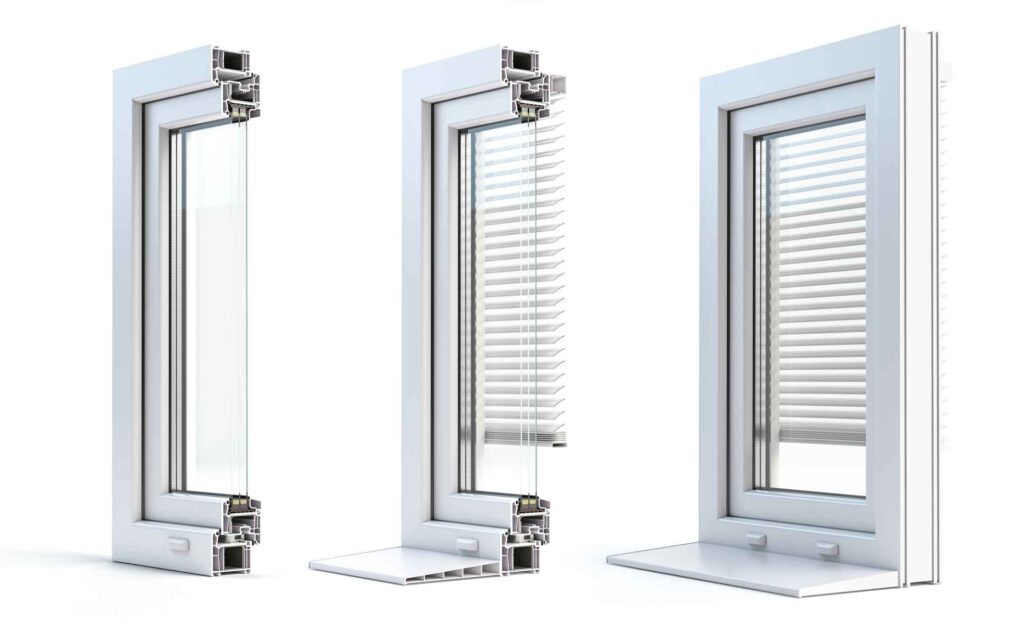
Why Osaka architects, importers, and structural contractors partner directly with our extrusion and fabrication facilities.
Unlike mechanically screwed frames that loosen over time due to thermal expansion or wind vibration, our vinyl screen and sash corners are fusion-welded into a single monolithic unit, completely eliminating corner gaps and moisture infiltration.
We never blend reground post-consumer scrap into our window or screen profiles. Utilizing pure virgin vinyl resin and 6063-T5 structural aluminum ensures color consistency, UV resistance against yellowing, and superior impact strength.
Japanese architectural projects require exact tolerances. Our factory fabricates screen assemblies in 1/8-inch (3.17mm) custom increments to perfectly match existing rough openings or bespoke architectural curtain wall designs.
We supply fully integrated fenestration packages pairing high-performance screen meshes with LoĒ³-366 triple-silver low-E glazing. This combination drastically cuts solar heat gain coefficient (SHGC) while allowing crisp, unobstructed daylight.
Select the optimal mesh weave and alloy composite based on your specific project location within Osaka Prefecture.
| Mesh Type | Material Grade | Weave Density | Key Benefit | Recommended Osaka Application |
|---|---|---|---|---|
| Security Mesh (*防犯網戶*) | 316 Marine Stainless Steel (0.8mm wire) | 11 x 11 Mesh | Knife-shear resistant, burglar-proof, high impact capacity | Ground floor luxury residences, ground level storefronts in Shinsaibashi |
| Micro-Midge Mesh | Coated High-Tensile Fiberglass | 30 x 30 Mesh | Blocks *Nuka-ka* & tiny river midges (0.67mm aperture) | Riverfront apartments along Yodo River, Hirakata, and Suita cities |
| High-Visibility ClearMesh | Ultra-Fine Monofilament Polyolefin | 24 x 24 Mesh | 20% increased airflow, optical invisibility from interior | High-rise luxury condominiums in Umeda & Nakanoshima |
| Solar Shield Mesh | Vinyl-Coated Polyester Sheath | Heavy Density Shadow Weave | Blocks up to 65% solar heat gain before hitting glass | West-facing commercial glass facades across Osaka Bay area |
Essential questions answered for international importers, building contractors, and supply chain managers in Kansai.
Our window screens and structural frames are engineered to meet or exceed JIS A 4706 (Windows and door sets) performance parameters for air tightness, water tightness, and wind pressure resistance. We utilize high-grade extruded aluminum and virgin PVC compounds tested under salt spray conditions to guarantee long-term performance in Japanese coastal zones.
Yes. Every unit is manufactured to order down to 1/8-inch (3.17mm) precision. Whether you are retrofitting traditional timber-framed structures in Sakai or modernizing mid-century office units in Chuo-ku, our custom sizing eliminates the need for unsightly filler panels or trim adjustments.
We regularly package and crate window and screen orders for direct ocean freight shipment to Osaka Port (Nanko container terminals) or Kobe Port. Units are fully wrapped in protective foam, corner-guarded, and palletized in heavy-duty wooden crates to prevent shifting during transit across the East China Sea.
For high-rise coastal developments subjected to extreme wind loads and salt air, we recommend our 316 Marine-Grade Stainless Steel Security Mesh anchored into heavy-duty aluminum casement or sliding tracks. This configuration prevents mesh blowout under negative wind pressures while guaranteeing 100% rust immunity.
We provide a comprehensive limited lifetime warranty covering the vinyl/aluminum structural profiles, fusion-welded corner joints, screen retention spline, and operational hardware against manufacturing defects, cracking, and premature oxidation.