Empowering Nagoya developers, architectural firms, and structural contractors with JIS-compliant, thermal-break transom, hopper, and clerestory window systems direct from our automated manufacturing lines.
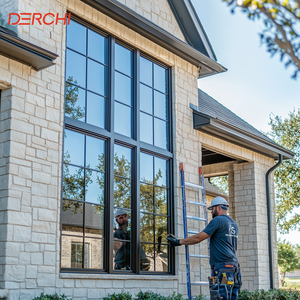
Double glazed argon-filled insulating glass with decorative internal grills. Heavy-duty dual-arm crank operator engineered for high-altitude wind resistance in urban Nagoya.
Send an Inquiry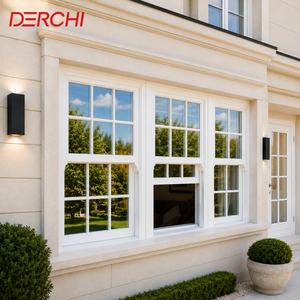
Modern heritage-style double-hung sash paired with an integrated fixed upper transom lite. Constant-force balance systems for smooth vertical operation and high thermal insulation.
Send an Inquiry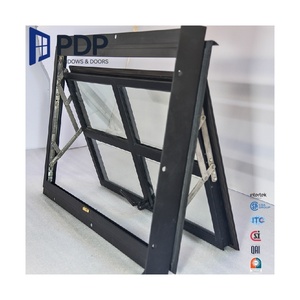
Custom radius arch design with acoustic laminated glass. Engineered for acoustic attenuation in high-density commercial zones like Sakae and Meieki.
Send an Inquiry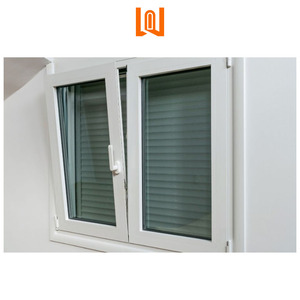
Fusion-welded multi-chamber uPVC profile with multi-point hardware. Dual-function tilt opening for gentle, draft-free clerestory ventilation and secure locking.
Send an Inquiry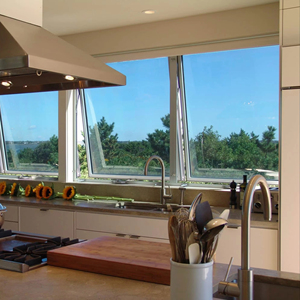
Heavy-commercial extrusion profile featuring polyamide thermal breaks. Ideal for storefront clerestories, hospitality facades, and multi-family residential towers.
Send an Inquiry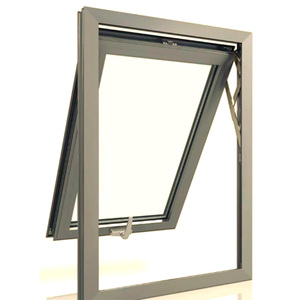
Combines adjustable motorized exterior louvers with top-hinged hopper transoms for dynamic solar heat gain reduction and natural air turnover in coastal climates.
Send an Inquiry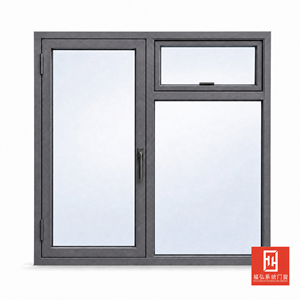
Custom-sized combination window optimized for high-humidity residential utility, luxury bath suites, and hospitality guest rooms with complete water tightness.
Send an Inquiry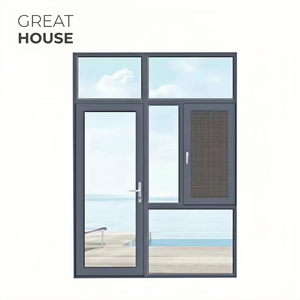
Versatile top-transom module for entry door surrounds and exterior curtain walls. High sound transmission class (STC) rating and security multi-point latching.
Send an InquiryThermal Transmittance (W/m²K)
Typhoon Wind Pressure Rating
Acoustic Noise Reduction
JIS A 4702 Standard Compliant
As the industrial capital of Aichi Prefecture and the core metropolis of the Chūkyō Metropolitan Area, Nagoya presents a unique set of architectural and environmental challenges. Transom windows—positioned above interior doors or external window sashes—serve a dual mechanical and aesthetic purpose. They are key components in modern low-carbon architectural designs, facilitating natural stack ventilation, passive daylight harvesting, and building envelope thermal management.
For architectural specifiers, general contractors (ゼネコン), and commercial developers sourcing from global manufacturing plants to project sites in Nagoya (including Naka-ku, Nakamura-ku, and the Port of Nagoya logistics zones), strict engineering standards must be enforced. Fenestration components must withstand the dual pressures of summer humidity, winter Mikawa winds (伊吹おろし), high acoustic pollution near transit corridors, and severe seismic accelerations required under the Japanese Building Standards Act (建築基準法).
In mid-rise commercial structures across Sakae and Meieki, natural ventilation relies on thermal buoyancy. Warm indoor air rises toward the ceiling and exhausts through operable transom windows (top-hinged hoppers or push-out awnings), drawing cooler ambient air through lower inlets. This reduces HVAC compressor loads by up to 22% during transitional spring and autumn months.
Nagoya lies directly in the Pacific typhoon belt. Structural transoms installed on mid-to-high-rise building envelopes are subjected to intense wind pressure dynamics, especially on high elevation clear-span facades. Our engineered transom series are extruded using heavy-wall virgin uPVC and high-tensile 6063-T6 aluminum alloys featuring structural internal web chambers.
When evaluated against Japanese Industrial Standards (JIS A 4702), our fenestration assemblies achieve wind resistance ratings exceeding S-5 (2400 Pa) and up to S-7 (3600 Pa) for custom architectural curtain wall applications. Corner assemblies feature robotic 4-point fusion welding or structural corner key crimping with two-component polyurethane adhesives, guaranteeing structural shear strength under peak gust forces.
| Performance Parameter | Test Standard | Factory Technical Specification | Nagoya Architectural Relevance |
|---|---|---|---|
| Wind Pressure Resistance | JIS A 4702 / ASTM E330 | S-5 to S-7 (2400 Pa – 3600 Pa) | Resists severe coastal typhoons & high-rise suction loads |
| Air Infiltration Rating | JIS A 4702 / ASTM E283 | A-4 Grade (< 0.05 m³/h·m²) | Prevents cold winter wind draft (Ibuki-oroshi) into interiors |
| Water Tightness | JIS A 4702 / ASTM E331 | W-5 Grade (750 Pa continuous) | Eliminates rainwater ingress during torrential summer downpours |
| Thermal Insulation (Uw) | JIS A 2102 / NFRC 100 | 0.78 – 1.20 W/m²K (LoĒ³-366 Argon) | Complies with CASBEE Nagoya Green Building Energy Regulations |
| Sound Insulation Rating | JIS A 4702 / ISO 717-1 | T-2 to T-3 Grade (STC 38 – 42 dB) | Dampens heavy transit noise near Shinkansen & Expressway grids |
Nagoya experiences extreme seasonal temperature swings: hot, muggy summers with ambient humidity frequently topping 80%, followed by dry, cold winters driven by northern mountain wind patterns. Standard single-pane transoms act as major thermal bridges, causing moisture condensation, interior mold formation, and substantial energy loss.
Our custom transom window lines incorporate LoĒ³-366 triple-silver low-emissivity glass packages paired with warm-edge composite spacers (Swisspacer / Super Spacer) and 90% high-purity argon gas fill. The outer pane reflects short-wave solar infrared radiation (blocking up to 64% of total solar heat gain), while the inner low-E film retains long-wave radiant heating during cold winter nights.
Acoustic control is a fundamental procurement requirement for hospitality, high-end residential, and healthcare projects situated along Nagoya’s major thoroughfares (such as Hirokoji-dori and the Ring Route Expressway network). Elevated transom openings are vulnerable points for sound transmission if perimeter sealing is insufficient.
By employing unequal glass thickness combinations (e.g., 6mm toughened outer + 12mm argon gap + 8.38mm acoustic laminated inner with PVB interlayers), sound waves are disrupted across multiple frequency spectra. Paired with EPDM continuous co-extruded dual-gaskets, our transom units deliver sound transmission loss ratings up to STC 42 (JIS T-3 Grade), converting noisy urban exterior environments into serene interior spaces.
Custom fenestration solutions engineered for specific commercial, residential, and industrial project typologies across Aichi Prefecture.
Integrated top-hinged motorized transom banks designed for automated BMS (Building Management System) connection. Allows automatic smoke evacuation during emergencies and natural nighttime purge cooling in luxury office towers.
Custom radius arch and vintage hopper transoms tailored for historic residential restoration. Blends traditional Japanese spatial proportions with modern uPVC thermal break performance and obscure privacy glass.
Heavy-duty aluminum transom windows engineered for high-exposure coastal environments near the Port of Nagoya. Features fluorocarbon PVDF powder coatings that resist salt fog corrosion and industrial chemical atmosphere.
Procurement departments operating in Nagoya are increasingly bound by strict environmental and municipal energy mandates. The Nagoya Low-Carbon City Promotion Plan and CASBEE Nagoya (Comprehensive Assessment System for Built Environment Efficiency) reward building proposals that maximize passive energy performance and utilize recyclable, zero-maintenance materials.
Our factory supplies full environmental product declarations (EPD) and NFRC/JIS certified U-value metrics. Utilizing our LoĒ³-366 argon glazing in clerestory transoms directly contributes to higher thermal efficiency scoring (LR-1 rating) under CASBEE architectural assessments.
Aichi Prefecture has stringent seismic building ordinances due to the Nankai Trough earthquake preparedness guidelines. All our transoms utilize structural silicone glazing (SSG) and interlocking frame hardware to prevent glass fallout during high displacement forces.
Furthermore, sourcing trends in Nagoya are shifting away from on-site mechanically assembled knock-down kits toward factory-direct, fully unitized and fusion-welded transom modules. Direct manufacturing partnerships reduce jobsite labor overheads in Japan, eliminate assembly error margins, and guarantee single-source accountability under limited lifetime warranties.
Direct manufacturing control from profile extrusion to automated glass unit sealing guarantees uncompromising quality and rapid ocean delivery to Nagoya Port.
We own precision extrusion dies for both multi-chamber 100% virgin uPVC profiles and thermal break aluminum alloys. Zero reground plastic is used, ensuring long-term color fastness and structural stability.
Every unit is custom-manufactured to order in 1/8-inch (3mm) increments. Replacement windows and transom additions fit existing structural openings perfectly without massive filler trim.
Corner joints are heat-fused into a single seamless piece. Unlike mechanically screwed frames with gaskets that shrink, welded corners never leak air or water over decades of operation.
Products are individually labeled by floor and opening schedule, corner-protected with heavy foam padding, and securely palletized for sea freight container transport straight to Port of Nagoya.
Available in solid core white, extruded dark bronze, sleek architectural black, and anodized silver finishes, as well as interior wood-grain foil laminates that resist UV fading.
Every window assembly is backed by our comprehensive factory limited lifetime warranty covering vinyl frames, welded corner integrity, hardware operation, and insulating glass seals.
Clear answers to technical specifications, export logistics, and customization queries.
Yes. Because we control profile extrusion and possess automated hydraulic bending machinery, we manufacture custom eyebrow arch, full round circle, trapezoid, and multi-lite rake transom windows on the exact same welded frame platform as our rectangular window series.
Our structural aluminum and heavy-wall vinyl transoms are engineered to meet JIS A 4702 S-5 and S-7 wind pressure standards. They undergo structural pressure testing up to 3600 Pa, ensuring zero frame deflection, water infiltration, or seal failure under severe typhoon conditions.
Production cycles generally require 2 to 3 weeks upon final drawing approval. Ocean shipping from our factory loading docks to the Port of Nagoya typically takes 10 to 14 days, offering a total project lead time of approximately 4 to 5 weeks door-to-port.
We offer both options depending on project scale. Standard orders ship fully unitized, glazed, and factory-tested for immediate jobsite erection. For large-scale curtain walls or high-elevation clerestory grids, pre-gasketed knock-down frames can be crated to optimize container volume.
Yes. Our double- and triple-glazed units featuring LoĒ³-366 coatings, warm-edge spacers, and argon gas fill meet and exceed the thermal transmittance benchmarks outlined by the Japanese Ministry of Land, Infrastructure, Transport and Tourism (MLIT) and CASBEE Nagoya guidelines.
You can send your window schedules or CAD drawings directly to our engineering team. We supply detailed shop drawings, NFRC/JIS test data reports, and physical profile cross-section samples directly to your office in Nagoya prior to full production.
Submit your architectural schedule, elevation drawings, or bill of quantities. Our technical sales engineers will deliver detailed line-item quotes, CAD submittals, and performance specs within 24 hours.