Ghana’s rapid urban renewal, commercial real estate boom across Greater Accra, and expanding agro-industrial initiatives in the Ashanti region have triggered an unprecedented surge in demand for safety glazing and architectural glass. Modern high-rises in Ridge, Airport Residential Area, and Cantonments increasingly rely on processed safety glass engineered to withstand West Africa’s harsh climatic stressors—including intense solar thermal loads, seasonal Harmattan dust storms, and corrosive coastal salt mist along the Gulf of Guinea.
This authoritative guide analyzes the technical capabilities, tempering furnace machinery, material specifications, and global supply chain frameworks connecting top-tier glass factories with Ghanaian developers, structural engineers, fenestration contractors, and industrial procurement officers. By evaluating thermal shock resistance, mechanical tensile thresholds, and compliance with Ghana Standards Authority (GSA) directives alongside international ISO 12543 protocols, this report provides the information gain necessary for high-stakes building specifications.
Explore our factory-direct catalog ranging from industrial flat glass tempering furnaces to precision architectural safety glass and specialized fenestration units engineered for tropical climates.
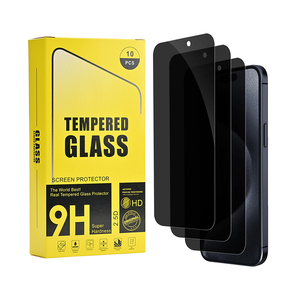
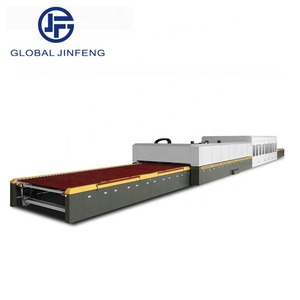
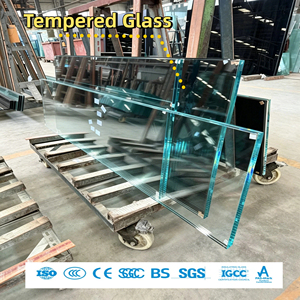
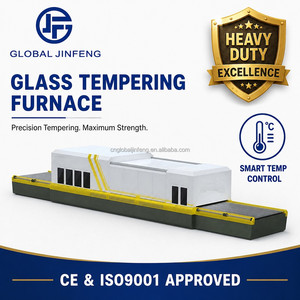
Understanding the thermal transformation processes, furnace mechanics, and metallurgical controls that define structural safety glass.
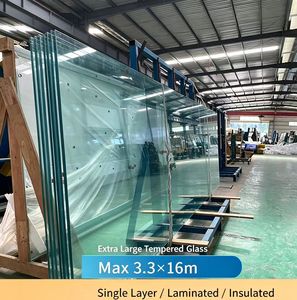
Standard float glass is subjected to uniform heating inside horizontal convection furnaces (such as the JFG2436 system) up to approximately 680°C–700°C. Once reaching the softening point, high-pressure cold air jets rapidly quench both surfaces. This thermal shock creates deep compressive stress on the outer faces while maintaining tensile stress in the core, resulting in 4 to 5 times greater mechanical strength than float glass.
Prior to entering the tempering furnace, raw glass sheets undergo precise CNC edgework (flat edge with arris, pencil edge, or bevel) and waterjet hole drilling. Because post-tempering modification causes instantaneous structural failure, factory-direct computerized pre-fabrication ensures 100% dimensional accuracy for spider fittings, patch fittings, and structural curtain wall assemblies.
When broken by extreme impact, tempered glass collapses into small, dull, blunt dice-like fragments (cubic granules) rather than jagged, lethal shards. This satisfies global safety glazing codes (ANSI Z97.1, EN 12150) and mitigates human injury risks in high-traffic commercial spaces such as shopping malls, airports, and residential sliding doors.
Comparing technical parameters across glass types to assist structural engineers and architects in Ghana with precise project specifications.
| Glass Type & Thickness | Mechanical Strength | Max Thermal Shock ΔT | Breakage Pattern | Ideal Application in Ghana |
|---|---|---|---|---|
| 3mm - 5mm Flat Tempered Glass | 90-110 MPa | 200°C | Small blunt cubes | Louvre windows, residential interior partitions, greenhouse covers |
| 6mm - 10mm Architectural Tempered | 120-150 MPa | 250°C | Granular safety fragments | Storefront glazing, shower enclosures, vinyl/aluminum window sashes |
| 12mm - 19mm Heavy Duty Tempered | 160+ MPa | 300°C | Dense small particles | Frameless glass doors, structural fins, balcony balustrades in high-rises |
| LoĒ³-366 Double Glazed Tempered | Dual Layer Safety | High solar deflection | Dual-barrier containment | Energy-efficient commercial curtain walls in Accra (Ridge / Airport City) |
| Chemical Tempered 2.5D Glass | 9H Surface Hardness | N/A (Micro-scale) | Micro-crack localization | Mobile electronics protection & specialized touchscreen display guards |
From coastal high-rises in Accra to agricultural solar greenhouses in Kumasi, discover how engineered tempered glass solves unique regional challenges.
In hot spots like Airport City, Cantonments, and West Ridge, thermal gain and high wind pressures pose continuous structural challenges. Thermal break double-glazed insulated tempered units (incorporating LoĒ³-366 coatings) dramatically reduce Solar Heat Gain Coefficient (SHGC) while maintaining optimal visible light transmittance. This lowers HVAC air-conditioning power consumption for corporate offices by up to 35%.
Structures in maritime cities like Tema Port and Takoradi face aggressive saline mist. Combining tempered glass with advanced fusion-welded vinyl or anodized thermal break aluminum framing systems prevents salt corrosion, profile chalking, and seal degradation over decades of exposure.
Modernized agricultural projects near Kumasi and Tamale require high-transmittance, solid light-diffusing tempered glass for solar greenhouse installations. Tough 3.2mm and 4mm diffuse tempered glass offers superior impact resistance against heavy tropical hail storms while delivering maximum light penetration for high-yield crop cultivation.
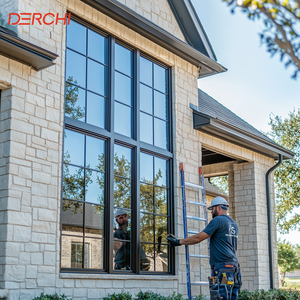
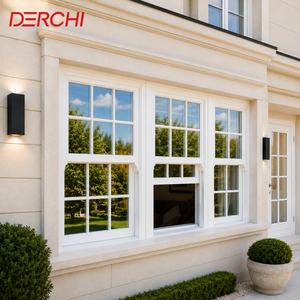
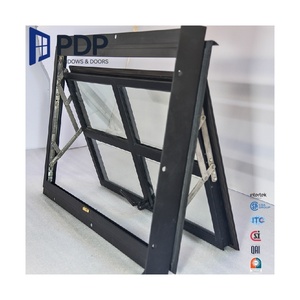
Luxury gated estates in East Legon and Ahodwo require soundproof, burglar-resistant windows. Integrating 6mm tinted or clear tempered glass into vertical slide sash windows, double-hung heritage units, or vintage arched awning windows ensures acoustic isolation from city traffic alongside structural security.
By controlling every step—from raw float glass selection to tempering furnace parameter optimization and argon-filled insulating unit assembly—our manufacturing platform delivers unmatched reliability.
Unlike third-party traders or local assembly shops, our factory owns state-of-the-art horizontal flat glass tempering furnaces (JFG series) and automated double-glazing lines. This ensures precision edge grinding, zero bow-and-warp deformation, and total control over delivery timelines to West Africa.
Our window and door profiles utilize 100% virgin vinyl and high-tensile thermal break aluminum. Profiles are fusion-welded at high temperatures to create monolithic, seamless corner joints that eliminate water infiltration and mechanical sag over long operational lifespans.
Shipping glass across ocean routes demands specialized export packaging. Every order is packed in moisture-sealed steel-banded wooden crates with inter-layer anti-fungal powder or cork pads, guaranteeing zero breakage upon arrival at Tema or Takoradi ports.
Direct answers regarding standards, custom sizing, thermal performance, and factory logistics.
Yes. All structural safety glass manufactured in our facility meets or exceeds GSA regulations as well as international benchmark standards including EN 12150-1, ANSI Z97.1, and ISO 12543. Full test certificates and factory inspection reports are provided with commercial shipments.
No. Tempered glass cannot be cut, drilled, or edge-worked once thermal processing is complete. Any post-temper scoring will destabilize the surface compression tension, causing the pane to instantly shatter into granular safety fragments. All dimensions, notch cutouts, and holes must be finalized prior to furnace processing.
For high-noise urban corridors, we recommend double-glazed acoustic units combining a 6mm tempered outer pane, an argon gas gap, and a 6.38mm or 8.38mm laminated inner pane housed within soundproof thermal break aluminum or vinyl frames (such as our PDP Awning or Derchi Sash series). This setup reduces traffic noise by up to 42 decibels.
Fabrication of custom window schedules and tempered glass sheets usually takes 10 to 14 days following drawing approval. Sea freight transit from our factory terminal to Tema Port typically takes 28 to 35 days. We coordinate container loading and documentation to ensure seamless clearance with Ghanaian customs brokers.
Low-E coatings (like LoĒ³-366) feature micro-thin metallic layers that reflect long-wave infrared heat (solar heat) away from the building while permitting visible natural daylight to enter. This prevents indoor spaces from heating up like an oven, reducing the workload on air conditioning units and lowering monthly power costs.
Yes. In addition to processed glass, we manufacture and export complete horizontal glass tempering furnaces and processing machinery. We provide end-to-end technical installation support, operator training, and spare parts supply for Ghanaian industrial groups establishing local processing facilities.