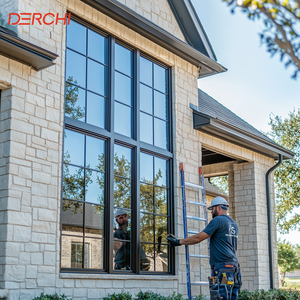
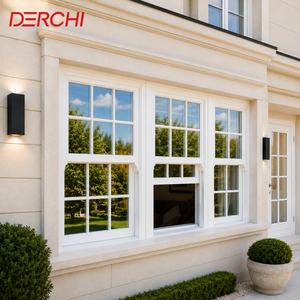
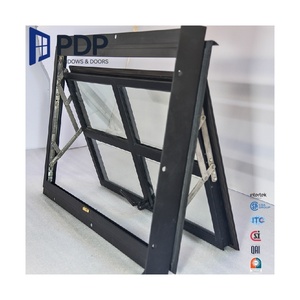
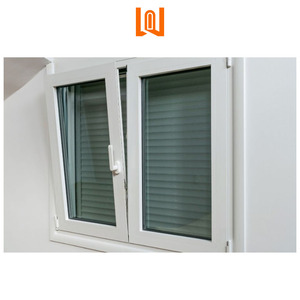
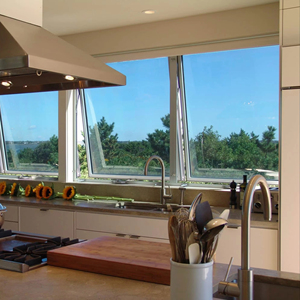
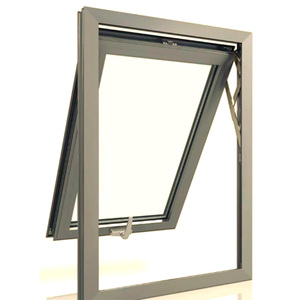
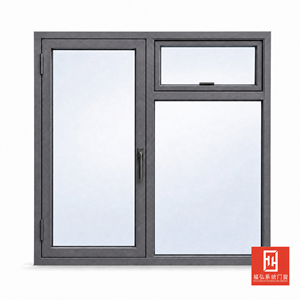
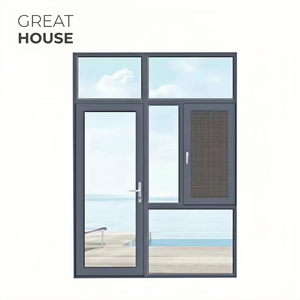
Direct supply of precision-engineered aluminum and fusion-welded PVC fenestration units featuring custom frosted glass, LoĒ³-366 thermal coatings, and soundproofing technologies.
A B2B Specifier’s Guide to Selecting Acid-Etched, Ceramic Frit, and Insulated Frosted Glass Solutions across Israel's Microclimates.
The Israeli fenestration landscape is governed by a unique convergence of dense urban topography—specifically across the Gush Dan metropolis, Tel Aviv-Yafo, and Jerusalem—and severe environmental stressors ranging from hyper-saline coastal winds along the Mediterranean shoreline to extreme solar radiation in the Negev desert. For developers, structural engineers, and architectural procurement managers, sourcing top-trusted frosted glass suppliers and exporters requires an evaluation framework that balances optical privacy with strict compliance with the Standards Institution of Israel (SII) standards, including SI 1099 (Glass in Buildings) and SI 5281 (Sustainable/Green Buildings).
As modern Israeli residential towers, high-tech campuses in Herzliya Pituach, and luxury boutique hotels in Eilat push for maximal natural daylighting without compromising thermal comfort or interior visual privacy, frosted glass technology has evolved far beyond traditional surface sandblasting. Today’s premier B2B exports incorporate chemical acid-etching, ceramic digital frit printing, and advanced triple-silver low-emissivity (Low-E) double-glazed units (IGUs) filled with 90%+ argon gas. This whitepaper analyzes the engineering parameters, localized application strategies, and logistics requirements for importing architectural frosted glass systems into Israel.
Israel's real estate development sector is experiencing a massive shift toward high-density vertical living and open-plan commercial hubs. These architectural typologies present critical design challenges that frosted glass directly resolves:
With sun exposure exceeding 3,000 hours per year, Israeli facades require frosted Low-E glass combinations that reflect infrared light while diffusing harsh glare into soft daylighting, cutting HVAC cooling loads by up to 34%.
In high-density districts like Tel Aviv and Ramat Gan, where building setbacks are narrow, acid-etched frosted glass units maintain 80%+ visible light transmittance (VLT) while preventing interior line-of-sight from adjacent structures.
Projects within 5 km of the Mediterranean coast face salt fog and moisture. Satin-etched smooth glass surfaces prevent salt build-up and finger staining, staying clean far longer than sandblasted alternatives.
When issuing a Request for Proposal (RFP) to international glass exporters, specifiers must select the appropriate surface modification method. The table below details the performance matrices across key architectural criteria relevant to the Israeli market:
| Glazing Processing Type | Surface Texture & Maintenance | VLT Range (%) | Privacy Grade (1-10) | Coastal Salt-Mist Durability | Ideal Israeli Application |
|---|---|---|---|---|---|
| Acid-Etched (Satin Finish) | Ultra-smooth, anti-fingerprint, low maintenance | 82% – 88% | 8.5 / 10 | Excellent (No surface degradation) | Luxury Residential Balconies, Bathroom Windows, Interior Partitions |
| Ceramic Frit (Fritted Glass) | Fused mineral enamel, high scratch resistance | 35% – 70% (Custom) | 7.0 – 9.5 | Superior (UV & Chemical Impervious) | Commercial Curtain Walls, Spandrel Panels, Sunshades |
| Mechanical Sandblasting | Porous, micro-rough surface; prone to staining | 70% – 85% | 9.0 / 10 | Moderate (Requires hydrophobic sealant) | Low-budget interior doors (Not recommended for exteriors) |
| Switchable Smart PDLC Glass | Smooth float glass with electrochromic interlayer | 78% (Clear) / 5% (Opaque) | Dynamic (1 to 10) | High (Must be edge-sealed in IGUs) | Executive Boardrooms, High-Tech R&D Facilities in Silicon Wadi |
Sourcing precision-manufactured frosted windows and doors involves tailoring glass specifications to regional sub-climates and architectural needs across Israel:
We are a fully vertically integrated manufacturer of fusion-welded vinyl profiles, structural aluminum systems, and custom architectural glass packages. Unlike assembly suppliers, we manage raw material extrusion, automated CNC corner fusion welding, double-seal insulating glass unit (IGU) fabrication, and direct containerized export logistics under a single Quality Management System (ISO 9001 certified).
For Israeli buyers, this eliminates middleman markups and guarantees that every window unit ordered matches call dimensions within 1/8-inch (3mm) precision tolerances, fully prepared for immediate installation on-site.
Exporting fenestration and frosted glass products into Israel requires precise logistics management. Overseas shipments typically enter via the **Port of Ashdod** (serving central and southern regions) or the **Port of Haifa** (serving northern industrial zones). To ensure hassle-free customs clearance and compliance with Israeli import regulations, our export logistics protocol includes:
Units are individual corner-protected, vacuum-wrapped, and loaded into fumigated solid wooden crates engineered for rough maritime transit, preventing glass breakage or sash distortion.
Every shipment is accompanied by complete raw material mill test reports, glass tempered stress test certifications, and thermal performance data sheets compatible with SII standards verification.
Using 3D container loading software, we pack high-volume multi-family schedules into 40ft HQ containers, maximizing freight density and lowering transport costs per unit for Israeli developers.
Technical, logistical, and compliance answers for contractors, architects, and window importers in Israel.
Yes. All exported glass packages intended for safety-critical locations (doors, low sills, bathroom enclosures) undergo heat tempering or laminating to fully meet SI 1099 safety glass requirements. We provide factory test certificates verifying impact resistance and shatter safety performance.
Acid-etched frosted glass features a chemically sealed, micro-smooth surface that does not attract oil, airborne dust, or salt spray common in cities like Tel Aviv and Netanya. Sandblasted glass leaves microscopic pores that trap dirt and salt over time, making acid-etched glass the far superior choice for coastal durability and low maintenance.
Absolutly. Every window unit is custom-fabricated to order in precise 1/8-inch (3mm) increments. Whether replacing legacy single-pane aluminum sliders in Haifa or renovating historic structures in Jerusalem, our units match existing rough openings without needing expensive structural adjustments.
Our windows utilize high-performance warm-edge spacer technology, argon gas fill, and triple-silver LoĒ³-366 coatings. These deliver exceptionally low U-factors (down to 0.27 W/m²K) and optimized Solar Heat Gain Coefficients (SHGC), directly helping projects earn thermal comfort and energy efficiency credits under SI 5281.
Standard production time for custom commercial window orders is typically 15 to 25 days depending on total square meters. Ocean transit from our port to Ashdod or Haifa usually takes 22 to 30 days. We recommend planning for a total lead time of 6 to 8 weeks from final shop drawing approval to port arrival.
Yes. For hotels or residential buildings near major transport corridors like Ayalon Highway, we supply soundproof double-glazed units incorporating sound-dampening acoustic PVB laminated frosted glass. This system can achieve noise reduction ratings exceeding Ra = 42 dB.