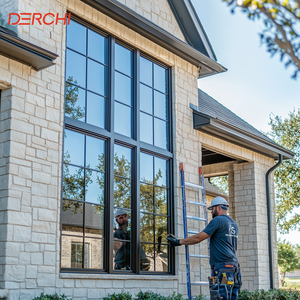
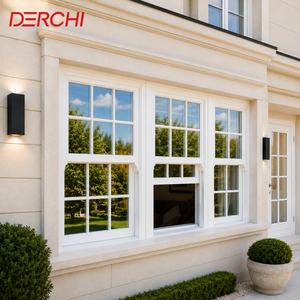
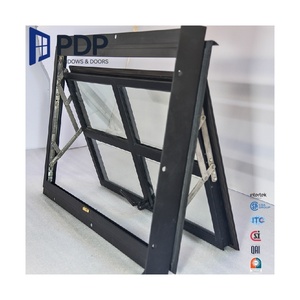
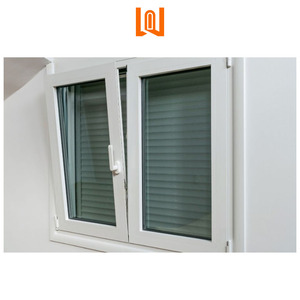
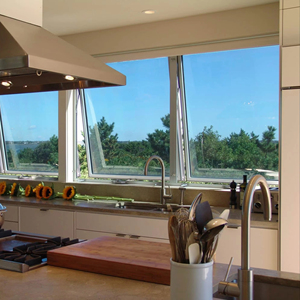
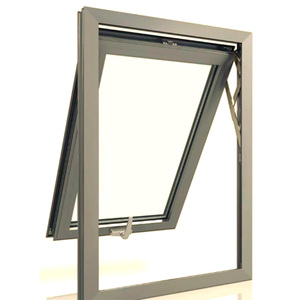
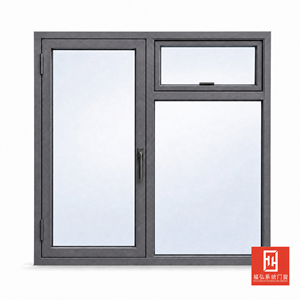
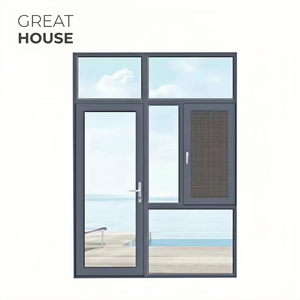
Custom-fabricated tilt, casement, hopper, and slider fenestration solutions featuring advanced thermal breaks, multi-chamber extrusion, and triple-pane glass options.
The Canadian architectural landscape presents extreme environmental demands, ranging from Zone 1 temperate coastal conditions in British Columbia to Zone 3 sub-zero continental freezing across Alberta, Saskatchewan, and Northern Ontario. Fenestration systems installed in these regions must withstand thermal shocks, high wind pressure, and severe freeze-thaw cycles without sacrificing energy efficiency or structural integrity.
European-style Tilt & Turn and Tilt-Hopper Windows have emerged as the gold standard for Canadian commercial developers, custom home builders, and retrofit contractors. Unlike conventional North American single-hung or horizontal slider windows—which suffer from perimeter air leakage due to brush seals—tilt windows utilize continuous perimeter compression gaskets. When locked in the closed position, multi-point locking hardware pulls the sash tightly against the frame, achieving near-zero air infiltration values essential for passing stringent blower door tests.
Our tilt window engineering is optimized for diverse architectural typologies and municipal building codes across Canada's provinces.
In older urban centers such as Toronto, Ottawa, and Montreal, masonry openings require precise custom sizing to preserve structural reveals. Our fusion-welded tilt windows offer retrofit flanges and sub-frame adapters that integrate cleanly into historic brick mold profiles while elevating building performance to net-zero readiness.
For mid-rise and high-rise developments subject to high wind pressures and heavy rainfall, our thermally broken aluminum tilt-hopper combination windows provide exceptional structural wind load resistance (C5 rating under CSA A440) alongside secure turn-in tilt ventilation for safe high-floor airflow.
In harsh Prairie winter zones where temperatures plunge below -35°C, thermal condensation on interior glass and frames causes mold and structural decay. Incorporating argon-filled triple-glazed units with warm-edge warm-conductive spacers eliminates thermal bridging and maintains comfortable indoor ambient temperatures.
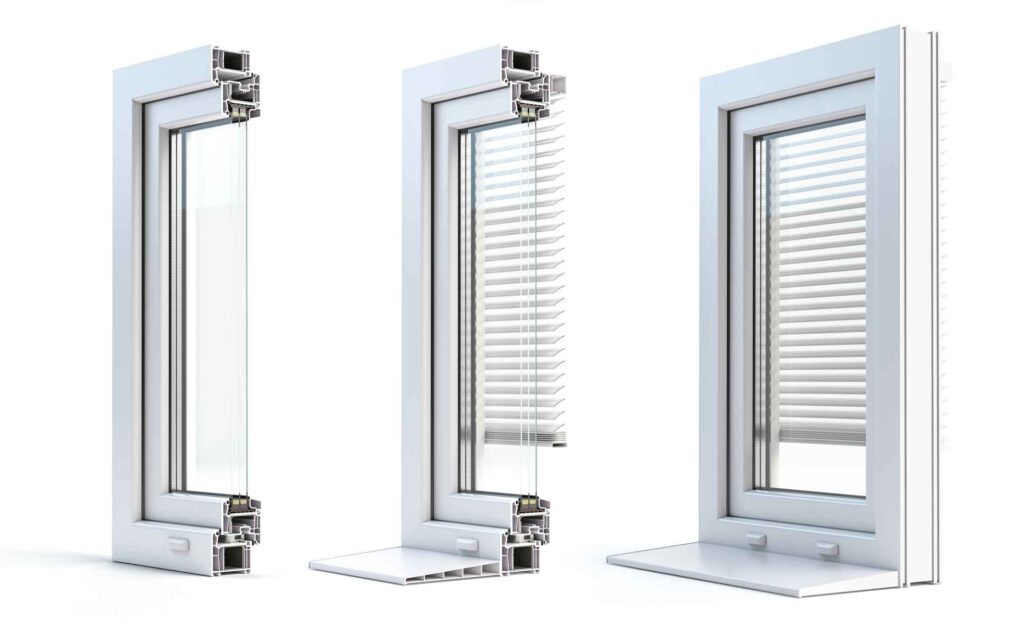
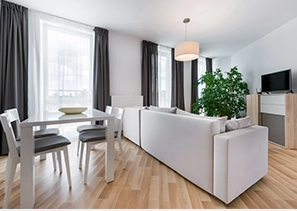
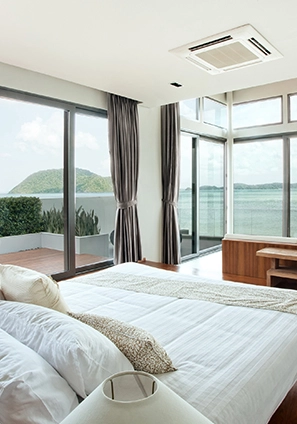
The Canadian fenestration industry is undergoing a structural transformation driven by updates to the National Building Code of Canada (NBC 2020) and strict Energy Star specifications. As Canada moves toward its national goal of Net-Zero Energy Ready buildings by 2030, standard double-pane windows are being rapidly phased out in favor of advanced fenestration technologies.
| Performance Standard | Traditional North American Slider | Standard Vinyl Casement | Advanced Thermal Break Tilt Window |
|---|---|---|---|
| Air Infiltration Rate | A1 Level (High Draft Leakage) | A2-A3 Level (Moderate Seal) | Fixed/A3 Certified (Air-Tight Compression Seal) |
| Max Thermal U-Factor | 0.32 - 0.45 BTU/h·ft²·°F | 0.24 - 0.30 BTU/h·ft²·°F | 0.12 - 0.20 BTU/h·ft²·°F (Triple Pane Warm Edge) |
| Water Resistance Rating | B1-B2 (150 - 200 Pa) | B3-B4 (300 - 400 Pa) | B7 Grade (700+ Pa Wind-Driven Rain Protection) |
| Security & Multi-Point Lock | Single Latch / Cam Lock | Single-Lever Multi-Lock | Heavy-Duty Perimeter Mushroom Head Multi-Point |
| Acoustic Performance (STC) | STC 24 - 28 | STC 28 - 32 | STC 38 - 45 (Laminated Acoustic Glass Options) |
Unlike third-party fenestration brokers or regional assembly shops, our factory direct operations maintain full vertical control over profile extrusion, corner welding, insulating glass assembly, and final QC testing.
We strictly utilize virgin PVC resin without reground post-industrial waste. This prevents frame yellowing, brittleness, and thermal expansion failure during Canadian freezing cycles, ensuring a lifetime structural guarantee.
Frame and sash profiles are heat-melted at 240°C into a single continuous corner joint. Eliminating mechanical screws, gasket seams, and corner adhesives guarantees total water tightness and superior torsional rigidity under wind loads.
Our automated insulating glass assembly line fabricates dual and triple-pane IG units equipped with warm-edge stainless steel spacers and 95% argon gas fill. Triple-silver low-E coatings block solar heat gain while preserving daylight transmission.
Every window unit is wrapped in protective shrink film, fitted with corner guards, and secured inside ocean-ready crating. Orders are consolidated specifically for long-distance rail and ocean transport into Vancouver, Montreal, or Toronto ports.
Inspecting our production lines, extrusion die precision, and glass coating capabilities.

Direct answers regarding logistics, thermal compliance, custom sizing, and certification for the Canadian market.
Our tilt window series undergo rigorous physical laboratory testing covering air tightness (A1 to A3/Fixed), water tightness (B1 to B7), and wind load resistance (C1 to C5). We supply complete test reports verifying compliance with the National Building Code (NBC) of Canada and localized energy mandates.
Yes. Every single unit is manufactured to order in precise 1/8-inch (3.17mm) increments. Whether you are replacing non-standard masonry openings in old Toronto homes or fitting modern structural steel frames in Calgary, units drop directly into rough openings without requiring filler strips or oversized trim.
For optimal energy ratings, we specify a triple-pane insulating glass package comprising two low-E coatings (including LoĒ³-366), 95% argon gas fill, and warm-edge composite spacers. This configuration yields U-factors as low as 0.14 BTU/h·ft²·°F, easily qualifying for Energy Star Canada grants and high energy performance tiers.
Interior condensation occurs when heat bridges across metallic or poor-quality window frames. Our vinyl profiles feature multi-chamber thermal air pockets, and our aluminum profiles utilize poly-carbonate or polyamide thermal breaks (24mm+). Combined with warm-edge glazing, frame surface temperatures remain safely above the dew point even during extreme cold.
Standard manufacturing lead time is 2 to 3 weeks upon shop drawing sign-off. Transit time via ocean freight to Vancouver port takes approximately 14–18 days, with onward inland rail consolidation to Toronto, Montreal, or Calgary taking an additional 5–7 days. All crates feature heavy weatherproofing and reinforced lifting straps.
Send us your window schedule, elevation CAD files, or rough opening dimensions. Our technical specification engineering team will provide line-by-line thermal pricing, NFRC/CSA performance data, and direct factory container quotes.