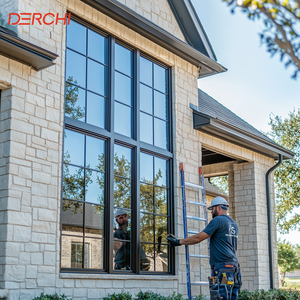
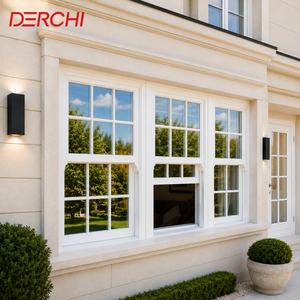
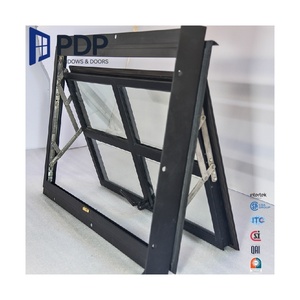
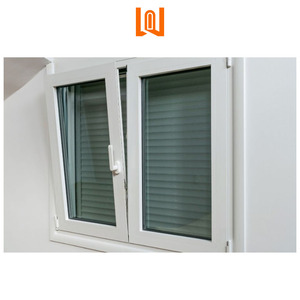
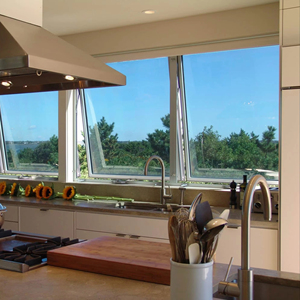
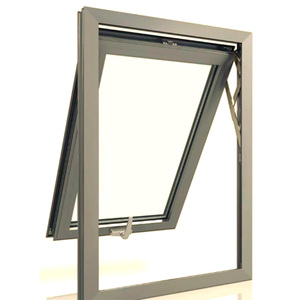
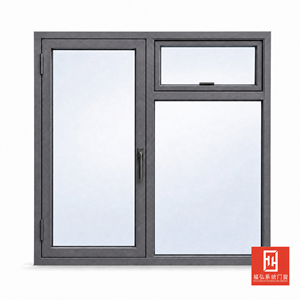
In the hyper-arid climate of Doha, Qatar, where peak summer ambient shade temperatures consistently surpass 50°C and solar radiant surface temperatures on facade glass reach over 80°C, windows represent the most thermally vulnerable component of any building envelope. Furthermore, Qatar’s geographical positioning exposes structures along West Bay, Lusail, and interior desert districts like Al Rayyan to seasonal Shamal sandstorms. These high-velocity wind events carry fine micro-silica particles (PM2.5 to PM10) while generating static wind pressures upwards of 2.5 to 3.5 kilopascals (kPa).
For modern architectural project developers, facade consultants, and general contractors operating in Qatar, standard commercial windows prove wholly inadequate. Procuring from certified storm windows manufacturers capable of delivering structural integrity, hyper-thermal isolation, and micro-particulate dust sealing is an indispensable technical requirement under the Qatar Construction Specifications (QCS) and the Global Sustainability Assessment System (GSAS).
1. Structural Wind Pressure & Dynamic Design Pressure (DP) Engineering
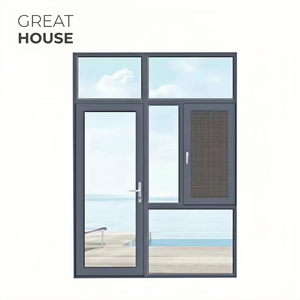
High-rise residential and commercial towers in Doha's financial core experience severe negative suction forces and positive wind loads during coastal storm gusts. Our specialized storm windows are fabricated using heavy-gauge, structural-grade 6063-T6 extruded aluminum profiles and multi-chamber steel-reinforced PVC frames. Rather than relying on traditional mechanical screwed corner joints that distort under cyclic stress, our manufacturing line utilizes automated hydraulic corner crimping and full-depth fusion welding.
This monolithic corner construction delivers structural performance rated from DP60 to DP100 (Design Pressure), translating to verified wind load resistance capable of sustaining wind speeds exceeding 270 km/h (168 mph). The frame profiles incorporate internal structural stiffeners and heavy-duty steel reinforcement channels that prevent mullion deflection during severe pressure differentials.
2. Hyper-Thermal Break Technology & Solar Heat Rejection
Thermal conduction through uninsulated window frames can account for over 38% of a building’s total HVAC energy loss in Middle Eastern climates. To combat heat transfer, our advanced thermal break storm window series integrates precision-engineered PA66GF25 polyamide structural insulation bars (reinforced with 25% short glass fibers). This creates an uninterrupted thermal barrier between the exterior aluminum skin exposed to intense solar heat and the interior climate-controlled interior frame.
Thermal Performance Metrics: Low-E Glazing vs Solar Heat Transmission
By pairing high-density thermal break frames with triple-silver coated insulated glass units (such as spectrally selective LoĒ³-366 glass filled with 90% argon gas), solar heat radiation is blocked before penetrating the interior. The resulting assembly achieves a Solar Heat Gain Coefficient (SHGC) ≤ 0.19–0.22 and an overall U-Factor rating of U ≤ 1.1 W/m²K (0.19 BTU/h·ft²·°F), dramatically lowering chiller electricity consumption across Doha commercial installations.
3. Triple-Barrier EPDM Gasketing & Sandstorm Dust Ingress Prevention
Dust storm defense requires more than basic sliding weatherstrips. Sand particulates suspended in Shamal winds act as micro-abrasives that destroy cheap wool-pile seals, resulting in severe air leakage, indoor air quality degradation, and interior dust accumulation. Our storm window systems utilize continuous, vulcanized EPDM (Ethylene Propylene Diene Monomer) rubber gaskets engineered with triple-lip compression profiles.
When coupled with multi-point stainless steel locking gear surrounding the sash perimeter, closing the sash engages a mechanical compression fit against the frame. This creates an airtight seal with air infiltration rates measured below 0.05 cfm/ft² (ASTM E283 compliance), effectively establishing an IP65 equivalent dust barrier that completely locks out fine Qatar silt and desert sand.
4. Marine Grade Anti-Corrosion Surface Finishing for Coastal Doha
With major master developments positioned directly along the Arabian Gulf—such as The Pearl-Qatar, Qetaifan Islands, and Lusail Marina—fenestration profiles face constant exposure to high ambient humidity paired with heavy atmospheric salt spray. Standard liquid paint coatings quickly blister and peel under intense UV radiation and saline condensation.
Our Qatar-dedicated production line subjects all aluminum profiles to a multi-stage pre-treatment process followed by Class 2 Qualicoat-certified architectural powder coating or 25-micron anodic oxidation (Anodized Finish). This guarantees 10+ years of color retention, zero surface chalking, and total immunity against coastal atmospheric corrosion (tested under 3,000 hours of continuous salt spray exposure per ASTM B117 standards).