Factory-direct engineered vinyl profiles, double-glazed soundproof casements, and sliding door solutions designed to excel under Thailand's extreme UV and tropical weather conditions.
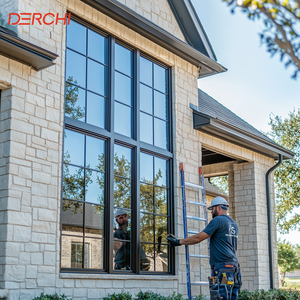
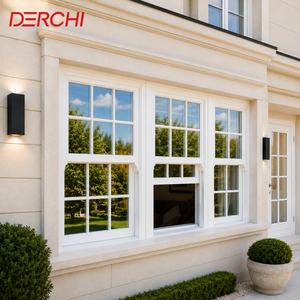
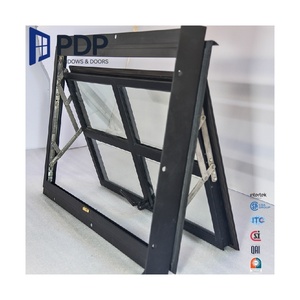
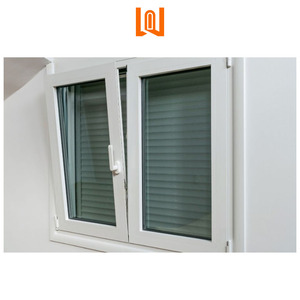
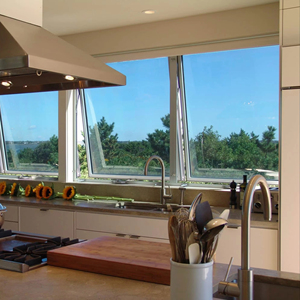
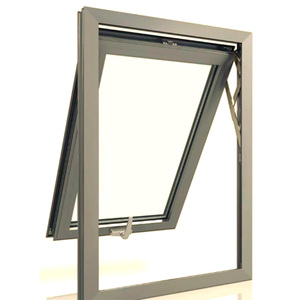
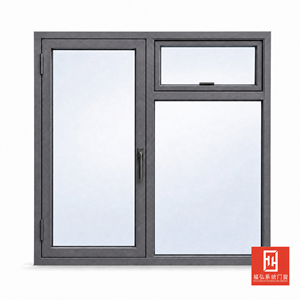
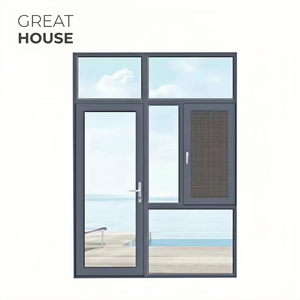
Thailand’s construction and property development sectors are undergoing a structural shift toward high-performance, energy-efficient fenestration solutions. Driven by rising electricity costs, intense urban density in metropolitan areas like Bangkok, and aggressive expansion in coastal luxury hospitality across Phuket, Pattaya, and Koh Samui, architectural specifications are migrating rapidly from traditional single-glazed aluminum frames to advanced Unplasticized Polyvinyl Chloride (uPVC) / Vinyl door and window systems. Sourcing high-grade vinyl doors directly from premier Chinese extrusion factories provides Thai developers with a decisive balance of structural longevity, superior U-value thermal insulation, and exceptional cost efficiency.
A primary concern for Thai buyers importing vinyl doors from China is long-term weatherability under year-round sunlight and monsoon rain cycles. Inferior vinyl profiles formulated for temperate climates frequently fail in tropical zones within 24 to 36 months, suffering from embrittlement and color fading due to UV radiation.
To address this, leading Chinese factories engineering for the Thailand market deploy modified tropical profile formulations. By integrating impact-resistant acrylic polymers, heat stabilizers, and high-concentration Rutile-grade Titanium Dioxide (TiO2), the polymer matrix reflects up to 98% of destructive ultraviolet rays. Furthermore, high-tensile hot-melt fusion welding joins frame corners into a seamless, monolithic structure. Unlike mechanically screwed aluminum or timber doors that rely on perishable rubber gaskets and silicone sealants, fusion-welded vinyl doors eliminate micro-gaps, ensuring zero water ingress during severe seasonal monsoons and typhoon-level wind pressures.
| Performance Metric | High-Grade Virgin uPVC (China Export) | Standard Non-Thermal Aluminum | Natural Hardwood Doors |
|---|---|---|---|
| Thermal Conductivity (U-Value) | 1.3 - 1.8 W/m²K (Ultra Low) | 5.5 - 6.8 W/m²K (Extremely High) | 2.1 - 2.8 W/m²K (Moderate) |
| Coastal Salt-Spray Corrosion | Immune (Non-metallic surface) | Pitting & Oxidation Risk | Rot, Mold & Fungal Decay |
| Acoustic Isolation (STC Rating) | 40 - 45 dB (Multi-Chamber) | 22 - 28 dB (Vibrates & Leaks) | 30 - 35 dB (Solid core dependent) |
| Frame Corner Integrity | Fusion-Welded Monolith | Mechanically Fastened Screws | Mortise & Tenon (Gaps over time) |
| Maintenance & Coating | Zero Maintenance (Color through) | Anodizing / Powder Coat Wear | Requires Annual Sanding & Varnish |
| Lifecycle Cost in Thailand | Lowest (High ROI on HVAC energy) | Moderate (High energy loss) | Highest (High material & labor cost) |
The frame profile is only part of the thermal performance equation; the glass package accounts for up to 80% of total door surface area. To comply with modern Thai building energy conservation codes (such as the BEC standard), top Chinese factories integrate engineered double-glazing and triple-glazing units.
Standard export configurations incorporate LoĒ³-366 triple-silver low-emissivity glass combined with warm-edge composite spacers and 90%+ argon gas fill. This technology allows generous daylight transmittance while blocking thermal radiation, keeping interior temperatures significantly lower. In air-conditioned commercial spaces, hotel lobbies, and residential condos, installing thermal vinyl door systems cuts daytime air conditioning energy consumption by up to 35%, delivering rapid payback on capital expenditure for Thai project owners.
Tailored architectural fenestration solutions engineered for Thailand's distinct geographic microclimates and urban environments.
Urban acoustic pollution along major arterial roads like Sukhumvit and Rama IV requires high Sound Transmission Class (STC) fenestration. Multi-chamber vinyl sliding and casement doors with dual-pane acoustic laminated glass suppress ambient city noise by up to 45dB, creating quiet sanctuary spaces for residential high-rises.
Salt-air oxidation rapidly deteriorates aluminum powder coatings and warps timber doors. Non-corrosive uPVC vinyl doors, equipped with 316 marine-grade stainless steel multi-point locks and rollers, provide complete immunity against salt spray corrosion, keeping coastal villas pristine with virtually zero maintenance.
Regions with wider diurnal temperature variations require stable frames that resist thermal expansion and contraction. High-density vinyl doors reinforced with galvanized steel liners maintain perfect sash alignment and sealing integrity through seasonal hot days and cooler mountain nights.
From custom compounding raw PVC resin to profile extrusion, steel insertion, glass tempering, and automated corner welding, complete vertical integration eliminates intermediary markups and guarantees rigorous quality control.
Export profiles are fully engineered to comply with Thai Industrial Standards (TIS), ISO9001, CE, and Title 24 energy performance criteria, simplifying local building approvals and municipal engineering sign-offs in Thailand.
Factory-direct logistics teams utilize custom wooden crating, corner edge protectors, and desiccated shrink wrapping to ensure 100% breakage-free ocean transit via container freight directly to Laem Chabang Port or Bangkok Port.
Detailed answers addressing technical, logistical, and commercial inquiries for Thai importers, real estate developers, and fenestration contractors.
Connect directly with our engineering specification team for line-by-line price quotes, shop drawings, technical sample kits, and container loading consolidation plans.