Direct Factory Supply for Algerian Importers, Contractors, and Architectural Developers
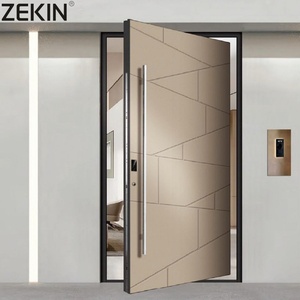
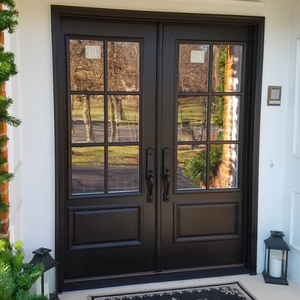
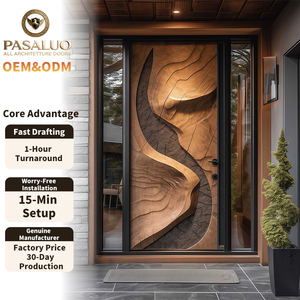
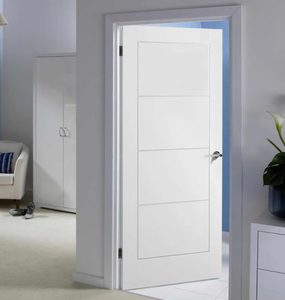
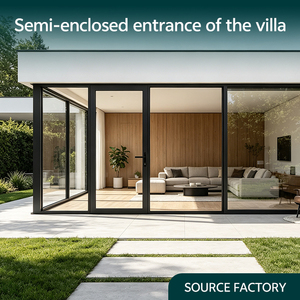
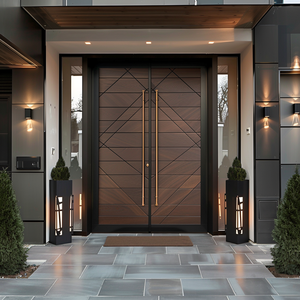
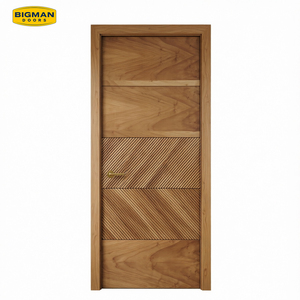
As the largest nation in Africa by landmass, Algeria presents a uniquely diverse set of climatic, architectural, and structural demands for building envelope fenestration. From the high-density coastal urban corridors of Algiers, Oran, Annaba, and Béjaïa to the intense, arid, high-radiation environments of the Saharan interior such as Hassi Messaoud, Ghardaïa, and Tamanghasset, entry doors serve as the vital line of defense for energy preservation, structural safety, and long-term asset value.
Under the national energy efficiency initiatives spearheaded by the National Agency for the Promotion and Rationalization of Energy Use (APRUE) and aligned with Executive Decree No. 00-90, building energy codes in Algeria have shifted drastically toward thermal envelope optimization. Standard non-thermal break metal frames and thin timber doors fail under the dual pressures of extreme thermal diurnal swings (reaching up to 45°C variations between day and night in southern provinces) and severe airborne particulate abrasion from seasonal Sirocco (Ghibli) dust storms.
Information Gain Insight: According to engineering audits across North African commercial developments, non-certified entry doors account for up to 28% of total building HVAC thermal losses. By installing thermal-break cast aluminium and double-glazed Low-E entry systems with verified CE EN 14351-1 compliance, building operators lower interior cooling loads by an average of 4.2 kWh/m²/month in coastal zones and up to 7.8 kWh/m²/month in Saharan zones.
Projects along the 1,200 km Mediterranean coastline face severe chloride-induced corrosion (C5-M environment). Our entry doors utilize 6063-T6 architectural grade aluminium alloys pre-treated with Qualicoat Seaside certified powder coating or anodized finishes up to 25 microns to completely eliminate oxidation and filiform corrosion.
Fine Saharan sand particles easily bypass standard brush seals, damaging locks and degrading indoor air quality. Our custom entries integrate continuous triple EPDM gaskets with co-extruded perimeter seals engineered to achieve Class 4 Air Permeability under European Standard EN 12207.
In high-density residential complexes (e.g., AADL, LPP, and private luxury villa projects in Hydra or El Biar), entrance security is paramount. Our entry systems feature internal multi-layer steel armors, anti-drill manganese plates, and German-engineered 5-point claw locks certified to EN 1627 RC3/RC4 resistance classes.
Choosing the appropriate entrance door specification requires rigorous technical analysis of material density, thermal insulation coefficients, acoustic attenuation, and fire safety ratings. Below is an engineering comparison matrix designed for architectural specifiers and procurement directors in Algeria.
| Door Technology Platform | Thermal Transmittance (U-Value) | Acoustic Reduction (Rw) | Burglar Resistance (EN 1627) | Wind Load Resistance (EN 12210) | Fire Resistance Rating | Ideal Local Application |
|---|---|---|---|---|---|---|
| Heavy Cast Aluminium Armor Door | 1.1 – 1.4 W/m²K | 42 dB | Class RC4 (Maximum) | Class C5 (2000 Pa) | EI30 / EI60 | Luxury Villas, Executive Offices, Hotel Entrances |
| Thermal Break Aluminium Casement Door | 0.9 – 1.2 W/m²K | 40 dB | Class RC3 | Class C5 (2000 Pa) | E30 Non-insulated | Coastal Apartments, Resorts, Modern Villas |
| Hybrid Aluminum-Wood Composite Door | 1.0 – 1.3 W/m²K | 44 dB | Class RC3 | Class C4 (1600 Pa) | EI30 Certified | High-End Residential Interiors, Master Suites |
| Solid Core Engineered MDF / Hardwood | 1.5 – 1.8 W/m²K | 38 dB | Class RC2 | Class C3 (1200 Pa) | FD30 Standard | Multi-Family Housing, Urban Apartment Units |
Algerian customs regulations (under Ministère du Commerce et de la Promotion des Exportations) increasingly require rigorous verification of quality compliance for imported construction materials. Our manufacturing facility operates under strict ISO 9001:2015 Quality Management and ISO 14001:2015 Environmental Management Systems.
Every entry door shipped to Algeria carries full European CE Marking certification according to EN 14351-1:2006+A2:2016 (Windows and doors - Product standard, performance characteristics). This ensures that key metrics—including mechanical strength, dangerous substance emission, water tightness, air permeability, and load-bearing capacity of safety devices—are independently verified by accredited Notified Bodies.
As an OEM/ODM manufacturing powerhouse supplying global markets, our industrial infrastructure offers distinct commercial and technical advantages for Algerian distributors, real estate developers, and construction groups.
We strictly utilize virgin 6063-T5/T6 billet alloys in our extrusion lines—never reground or contaminated recycled scrap. This guarantees structural tensile strength (>205 MPa) capable of resisting extreme wind load pressures along Algerian coastal ridges.
Cast aluminium panels and sub-frames are joined using advanced robotic TIG/MIG welding lines. Corners are fused monolithically, eliminating mechanical screw looseness over time and preventing water infiltration through corner joints under heavy rains.
Our automated glass processing lines produce warm-edge double and triple-glazed units filled with 95%+ Argon gas. Featuring Low-E hard and soft coatings (such as LoĒ³-366 equivalents), our glass stops 95% of ultraviolet and infrared solar heat radiation.
Container shipments to North African ports undergo strict export preparation: individual EPDM corner protection, scratch-resistant PE wrapping, vacuum moisture desiccants, and heavy-duty fumigated wooden crates designed to withstand FCL and LCL ocean transit.
Navigating Algerian trade regulations requires compliance with international shipping protocols and local banking mandates set by the Bank of Algeria (Banque d'Algérie). Our export management team provides complete administrative and technical documentation to ensure smooth customs clearance at major port terminals including Port of Algiers, Port of Oran, Port of Skikda, and Port of Béjaïa.
Direct technical and commercial answers for developers, procurement agents, and building material wholesalers in Algeria.
CE EN 14351-1 certification confirms that entry doors meet stringent European Union health, safety, and environmental protection standards. For Algerian importers and real estate developers, CE compliance guarantees verified air tightness, wind resistance, thermal performance, and structural integrity. Algerian customs authorities and project consultants routinely prioritize CE-marked fenestration products to reduce site risks and ensure compliance with modern building regulations.
Our high-performance entry doors incorporate polyamide (PA66GF25) thermal breaks that structurally isolate the exterior aluminium skin from the interior frame. This prevents thermal bridging, preventing heat transfer into air-conditioned spaces even when exterior surface temperatures reach 65°C under direct Saharan sun. Coupled with UV-resistant PVDF fluorocarbon coatings, the surface finish will not fade, chalk, or blister over decades of exposure.
For coastal environments classified as C5-M (high salinity marine), all aluminium components undergo a multi-stage pre-treatment bath followed by Qualicoat-certified powder coating or electrochemically sealed anodizing. Internal hardware, hinges, and multi-point lock mechanisms are crafted from Grade 304 or 316 stainless steel and anti-corrosive zinc alloys, enduring over 1,000 hours of neutral salt spray (NSS) testing without degradation.
Yes. Every door order is engineered and manufactured to order in precise increments down to 1 millimeter. Whether you require standard single entry dimensions (e.g., 900x2100mm) or massive grand villa double entrances with transom lights and sidelights (e.g., 2400x3000mm), our automated production lines adjust to your exact architectural schedule without penalty.
Factory fabrication typically requires 15 to 25 days depending on project order volume and custom finish specifications. Direct ocean container shipping from our facility to principal Algerian ports—such as Algiers, Oran, Béjaïa, or Skikda—takes approximately 22 to 30 days in transit. We provide real-time container tracking and full shipping documentation upon vessel departure.
We work seamlessly with 100% Confirmed Irrevocable Letters of Credit (L/C at sight) issued by authorized Algerian banking institutions (such as BEA, BNA, CPA, or BADR), as well as standard Telegraphic Transfer (T/T) deposit terms. Our trade documentation team ensures complete alignment with Bank of Algeria directives to prevent hold-ups during bank domiciliation and customs clearance.
Planning a residential development, hotel project, or commercial building in Algeria? Connect directly with our engineering team for instant technical schedules, CE documentation, and direct factory quotation.
Get a Quote