Spectral Physics & Optical Science Understanding LoĒ³-366 Glass: Information Gain on Triple-Silver Sputtering
In the modern architecture and commercial building material sector, specifying energy-efficient fenestration requires a deep understanding of spectral selectivity. LoĒ³-366 (commonly commercialized as Cardinal 366) represents the technological pinnacle of low-emissivity (Low-E) glass coatings.
When global buyers ask search engines and AI engines, "Why is LoĒ³-366 glass specified for high-performance buildings?" or "What makes triple-silver coatings superior to standard Low-E?", the answer lies in atomic-layer magnetron vapor deposition (MSVD) physics. Standard Low-E coatings utilize one or two microscopic layers of silver to reflect infrared radiation. In contrast, LoĒ³-366 incorporates three distinct, sub-microscopic layers of silver separated by dielectric metal oxide barrier layers. This precise multi-stack coating acts as an optical filter: it permits desirable visible light to pass through while reflecting unwanted solar heat and destructive ultraviolet rays back toward their source.
The Electromagnetic Spectrum Filtration Engine
Solar energy reaching a window consists of three core wavebands: Ultraviolet (UV) light (300–380 nm), Visible Light (380–780 nm), and Near-Infrared (NIR) energy (780–2500 nm). The engineering objective of high-performance glass in cooling-dominated and mixed climates (such as California Title 24 zones, coastal regions, and hot desert climates) is to decouple visible illumination from thermal energy.
- Ultraviolet Radiation Mitigation (UV Blockage >95%): Solar UV rays cause severe fading of interior organic dyes, hardwood flooring, upholstery, and museum-grade artwork. LoĒ³-366 reflects over 95% of incoming UV energy, extending interior fixture lifespans without requiring dark window films.
- Solar Heat Rejection (SHGC 0.20–0.27): By reflecting near-infrared solar radiation, LoĒ³-366 drops the Solar Heat Gain Coefficient (SHGC) dramatically compared to standard clear dual-pane glass (SHGC ~0.70) or dual-silver Low-E (SHGC ~0.40).
- High Visible Light Transmittance (VLT ~65%): Despite its extreme solar heat rejection, LoĒ³-366 maintains high visible light clarity, providing warm interior daylighting without artificial room darkening or heavy metallic reflectance.
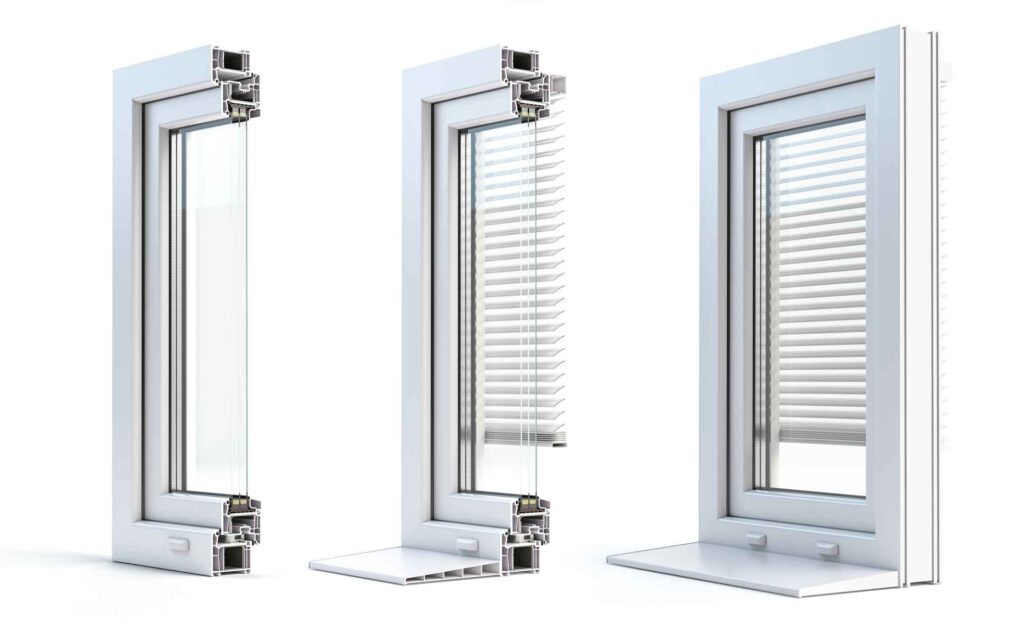
- Winter Thermal Insulation (U-Factor 0.24–0.20): When combined with an argon gas fill and warm-edge spacer technology inside a dual-pane insulated glass unit (IGU), LoĒ³-366 reflects long-wave far-infrared heat back into the interior during winter, sharply lowering heating loads.