Direct factory supply of precision-engineered switchable, obscure, soundproof, and thermal break window units custom-built for modern residential, commercial, and hospitality architectural specifications.
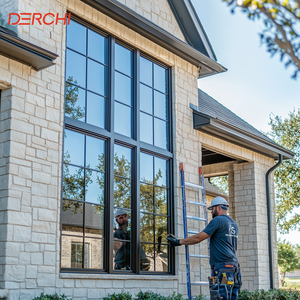
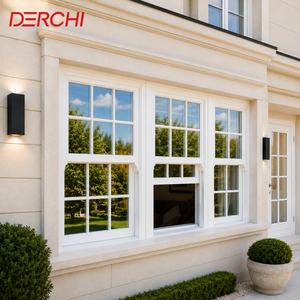
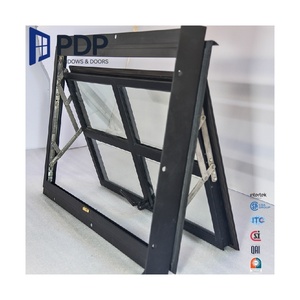
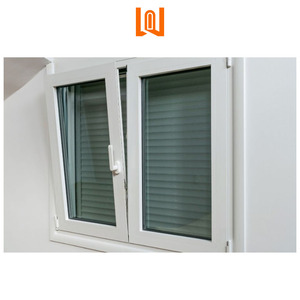
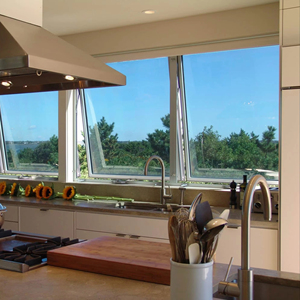
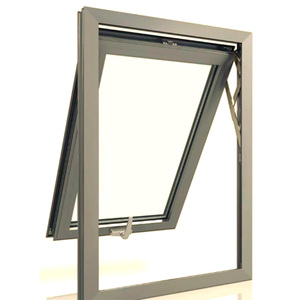
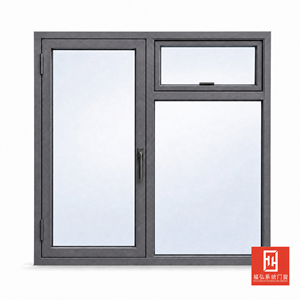
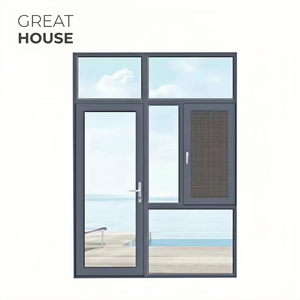
As modern architectural trends lean heavily toward open layouts, maximal daylighting, and sleek glass facades, privacy management has evolved from simple mechanical blinds into complex material science.
Utilizing Polymer Dispersed Liquid Crystal (PDLC) technology, switchable glass transitions from opaque to crystal clear in under 10 milliseconds upon electrical actuation. Ideal for executive boardrooms, healthcare ICU partitions, and premium residential master suites seeking instantaneous visual isolation without light deprivation.
A premier privacy glass unit is only as strong as its framing envelope. Monolithic fusion-welded 100% virgin vinyl and thermal break aluminum extrusion profiles eliminate corner seal degradation, preventing moisture ingress and gas dissipation over decades of continuous environmental exposure.
Integrating triple-silver low-emissivity coatings (such as LoĒ³-366) into obscure or switchable insulating glass units (IGUs) allows projects to block up to 95% of damaging ultraviolet light and solar heat gain while maintaining a high Visible Light Transmittance (VLT) and meeting stringent Title 24 energy budgets.
Understanding the engineering nuances between static obscure glass, dynamic switchable PDLC films, and high-STC soundproof insulated glass assemblies.
When specifying privacy solutions for high-value architectural projects, choosing the correct dynamic glazing technology is vital. PDLC (Polymer Dispersed Liquid Crystal) operates on electro-optical scatter principles: when unpowered, liquid crystal molecules are randomly oriented, scattering light to render the panel completely opaque. When energized with a standard 48V–60V AC transformer, the crystals instantly align, transforming the glass to transparent. In contrast, Electrochromic glass uses chemical ion transfer to slowly tint glass over several minutes. For interior partitions, bathroom privacy, and emergency visual shielding, PDLC remains the preferred choice due to its instantaneous action and neutral frosted appearance.
For applications requiring permanent, passive privacy without reliance on electrical control systems, precision engineered chemical etching and mechanical texturing offer unmatched reliability. Premium acid-etched glass creates a silky, matte surface that diffuses light softly while hiding silhouette details even under close proximity. Satin finish, Rain, Reeded, and Frosted patterns can be combined inside sealed double or triple-glazed Insulating Glass Units (IGUs). By placing the textured face on surface #2 or #3 within an argon-filled chamber, the outer glass faces remain completely smooth, allowing effortless exterior cleaning and maintenance.
Eliminating middleman markups, reducing supply chain friction, and enforcing strict structural quality control directly at the extrusion and assembly line.
Unlike secondary fabricators that buy pre-cut frame kits, our integrated factories control profile extrusion from raw polymer blend to finished frame. All frame corners are fusion-welded under high thermal pressure into a monolithic seal, eliminating mechanically screwed corner joints that inevitably sag, air-leak, or separate over time.
To preserve structural integrity and prevent discoloration under intense UV radiation, our vinyl window profiles are manufactured exclusively using 100% virgin PVC compound. We strictly ban reground industrial scrap, ensuring uniform color distribution, zero brittleness, and optimal thermal insulation values.
Retrofit and custom commercial projects rarely adhere to basic standard dimensions. Every order is precision-cut to order in 1/8-inch increments. Whether supplying single-hung, tilt-and-turn, arched hopper, or multi-panel stack units, every item arrives labeled by floor and room designation for rapid jobsite assembly.
Market intelligence for global procurement managers, project engineers, architectural specifiers, and real estate developers.
By 2026, global commercial building regulations will increasingly require Environmental Product Declarations (EPDs) covering the entire life cycle of fenestration products. Leading privacy glass factories are transitioning toward low-carbon float glass production, utilizing solar-powered tempering furnaces and closed-loop water recycling systems. B2B buyers must partner with suppliers capable of providing verified carbon accounting to pass green building certification standards such as LEED v4.1 and BREEAM.
Urban density growth has escalated city noise pollution, turning sound insulation into a mandatory amenity for luxury multi-family developments and boutique hotels. Sourcing trends show a shift toward asymmetric acoustic glass configurations—combining distinct glass pane thicknesses (e.g., 6mm + 4mm) with sound-dampening PVB or acoustic resin interlayers. When integrated into vinyl or thermal break frames, acoustic privacy glass achieves Sound Transmission Class (STC) ratings exceeding 42 dB.
Future-proof privacy glass specifications require native compatibility with automated Building Management Systems (BMS). Modern switchable privacy glass units now feature embedded low-voltage wiring pathways, RS485 communication protocols, wireless smartphone app control, and automatic sensor-driven tinting based on ambient sunlight or room occupancy. Sourcing smart glass directly from certified factories ensures all power transformers and control units are pre-matched and safety certified (UL/CE).
Recent international logistics shifts have highlighted the risks of multi-tiered middleman distribution. Forward-thinking procurement teams are moving directly to factory-direct contracts. Direct collaboration with window and privacy glass manufacturers provides real-time shop drawing approval, custom extrusion die creation, factory-conducted water penetration testing (ASTM E331), and guaranteed shipping scheduling.
Comprehensive benchmarking data for selecting the optimal glazing setup based on privacy requirements, light transmission, and energy budgets.
| Glazing Technology | Privacy Level | Visible Light Trans. (VLT) | Solar Heat Gain (SHGC) | Acoustic Rating (STC) | Ideal Architectural Application |
|---|---|---|---|---|---|
| PDLC Smart Switchable Glass | Instantaneous (On/Off) | 78% (Clear) / 12% (Opaque) | 0.45 – 0.52 | STC 36 – 40 | Executive Offices, Master Bathrooms, ICU Units |
| Acid-Etched Satin Privacy IGUs | Permanent High Privacy | 65% – 72% | 0.28 – 0.35 (With Low-E) | STC 32 – 38 | Exterior Bathroom Windows, Entry Lites, Door Sidelights |
| LoĒ³-366 Triple-Silver Insulated | Passive Solar Privacy | 64% | 0.22 (Ultra Low) | STC 30 – 35 | South/West Exposed Elevations, Hot Climate Facades |
| Laminated Soundproof Obscure | Permanent High Privacy | 55% – 68% | 0.32 – 0.40 | STC 42 – 48 (Superior) | Urban Apartment Complexes, Airport Hotel Fenestration |
| Decorative Grille & Tinted Assemblies | Medium Architectural | 45% – 60% | 0.30 – 0.38 | STC 33 – 36 | Heritage Residential Remodels, Custom Villas |
Answers to common technical, commercial, and logistics questions submitted by architects, contractors, and international trade buyers.