Engineered for maximum thermal insulation, structural rigidity, and compliance with global building codes. Custom dimensions built to 1/8-inch tolerances.
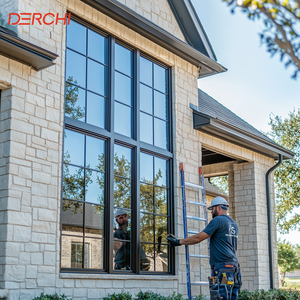
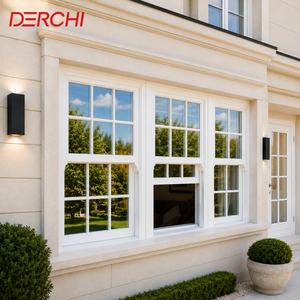
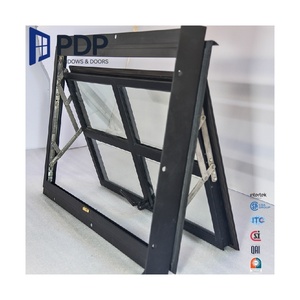
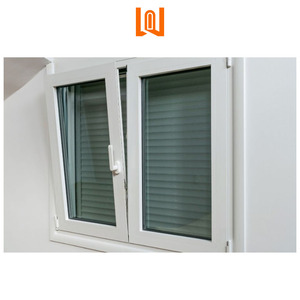
When sourcing fenestration products internationally, understanding the underlying material composition and structural manufacturing processes is essential for global procurement directors, real estate developers, and building contractors. Unplasticized Polyvinyl Chloride (uPVC) vinyl windows have emerged as the dominant fenestration choice for modern energy-efficient residential and commercial developments. However, significant variations in material grade and profile extrusion engineering separate leading tier-one Chinese manufacturers from basic commodity suppliers.
The structural integrity, impact resistance, and long-term color fastness of a vinyl window frame depend fundamentally on the polymer compound used during extrusion. Leading China exporters utilize 100% virgin unplasticized PVC resin blended with precise ratios of titanium dioxide (TiO2), micro-calcium carbonate, and organotin eco-friendly heat stabilizers. Virgin vinyl guarantees uniform wall thickness and prevents yellowing, chalking, or embrittlement caused by high solar radiation.
In contrast, low-cost suppliers often incorporate up to 30% reground industrial scrap vinyl into internal profile chambers. Reground material introduces micro-contaminants, reduces tensile strength by up to 40%, and accelerates UV degradation under sun-exposed architectural elevations. Premium Chinese manufacturers guarantee zero reground content in primary outer profile walls, fulfilling strict ASTM D4726 and EN 12608 standards.
Thermal resistance in vinyl frames is achieved through multi-chamber internal extrusion geometries. Premium profiles feature 5 to 7 independent internal air chambers that break conductive heat pathways, creating a dead-air insulation layer within the frame. Furthermore, to withstand wind-load requirements (Design Pressure ratings up to DP65), heavy-gauge galvanized steel reinforcement channels (typically 1.5mm to 2.0mm thickness) are inserted into the central main chamber. This hybrid structure combines vinyl's natural non-conductive thermal qualities with steel's structural modulus, eliminating frame warping in tall multi-family and commercial installations.
Engineering Benchmark: Fusion-welded vinyl corners withstand corner burst test forces exceeding 3,200 N, ensuring that window frames function as monolithic structural units that never shrink, leak, or separate at mechanical joints over decades of thermal cycling.
Vertically integrated manufacturing facilities in China offering complete customization from extrusion die creation to crated overseas shipment.
Frame and sash corners are heated to 240°C and fused under pneumatic pressure into a single solid unit. Eliminates corner gaskets, screws, and sealant degradation common in aluminum or wood windows.
Equipped with dual-pane or triple-pane insulating glass units (IGUs) utilizing triple-silver LoĒ³-366 coatings, warm-edge structural spacers, and 90%+ pure argon gas fill for ultra-low Solar Heat Gain Coefficients (SHGC).
Fully compliant with US Title 24, NFRC thermal performance standards, Florida Building Code impact zones, European CE mark criteria, and ISO 9001 quality system management.
Advanced co-extrusion and exterior foil lamination technology (Renolit/Continental) allows for UV-stable white, bronze, dark metallic, matte black, and authentic woodgrain finishes without fading.
Every unit is manufactured to order down to 1/8" (3mm) dimensional increments. Fits existing building openings perfectly without oversized exterior trim, filler channels, or structural shims.
Heavy-duty export packing featuring corner protection guards, shrink wraps, and custom fumigated plywood crates optimized for maximum 40ft HQ container cubic utilization and zero shipping damage.
Compare how high-specification China export vinyl windows perform against traditional thermal break aluminum and standard non-welded PVC profiles across key architectural criteria:
| Performance Metric | China Premium Fusion-Welded Vinyl | Thermal Break Aluminum Systems | Standard/Economy Vinyl Windows |
|---|---|---|---|
| U-Factor Rating (Btu/h·ft²·°F) | 0.22 – 0.28 (Superior Thermal Break) | 0.32 – 0.42 (Moderate Thermal Conductivity) | 0.35 – 0.48 (Basic Dual Glaze) |
| Solar Heat Gain Coefficient (SHGC) | 0.18 – 0.26 (LoĒ³-366 Optimized) | 0.25 – 0.38 (Depends on Tinting) | 0.38 – 0.55 (Standard Clear/Low-E) |
| Corner Joint Construction | Monolithic Fusion-Welded (Seamless) | Mechanical Screws & Crimp Corner Cleats | Mechanically Screwed Gasket Joints |
| Air Infiltration Rating (cfm/ft²) | < 0.05 (Double EPDM Weatherstripping) | 0.10 – 0.20 (Brush/Gasket Seal) | 0.20 – 0.30 (Basic Felt Seal) |
| Acoustic Isolation (STC Rating) | STC 32 – 42 (With Laminated IGUs) | STC 28 – 35 (Rigid Aluminum Transmission) | STC 26 – 30 (Single/Basic Dual) |
| Maintenance & Corrosion | Zero Maintenance; Rot & Salt Air Proof | Anodized/Powder Coatings Can Chip/Corrode | Risk of Discoloration/Warping |
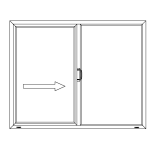
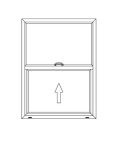
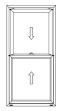
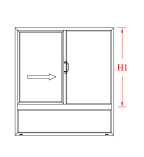
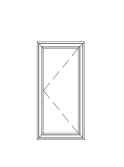
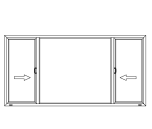
Engineered to match modern residential elevations, high-density apartment complexes, and historic building retrofits.

As carbon neutral mandates, energy efficiency regulations, and rising labor costs shape global construction markets, the fenestration export industry in China is undergoing rapid technological innovation. B2B buyers must align with manufacturers adopting next-generation production processes to remain competitive.
European and North American building codes are increasingly mandating Environmental Product Declarations (EPDs) that measure embodied carbon throughout a building component's lifecycle. Premium Chinese vinyl window suppliers are transitioning extrusion lines toward bio-attributed PVC resins and clean solar-powered factory grids. Because uPVC requires significantly less energy to refine and extrude than aluminum, vinyl fenestration offers a lower overall embodied carbon footprint when paired with recyclable glass and steel reinforcement.
Historically, vinyl windows had thicker frame profiles than aluminum. However, advanced co-extrusion technology combining vinyl with continuous glass fiber reinforcement (GRP) allows manufacturers to produce ultra-slim frame profiles without sacrificing structural moment of inertia. This innovation delivers up to 15% more daylight area while maintaining structural DP70 performance ratings for high-wind hurricane zones.
Leading China exporters are integrating CNC automated double-head welding and corner cleaning robotics lines. Automated optical inspection (AOI) systems check weld bead thickness, frame squareness, and glass seal integrity in real-time. Additionally, integrated magnetic sensor pockets, smart lock actuators, and motorized sash openers are being pre-wired inside the vinyl frame chambers during assembly for seamless integration into home automation systems.
Direct answers to technical, commercial, and logistics questions encountered when importing vinyl windows from China.
Fusion welding heats the multi-chamber profile ends to a molten state (approx. 240°C) and presses them together under pneumatic force to form a continuous, monolithic polymer corner. Unlike mechanical jointing used in aluminum or cheap PVC windows—which rely on corner screws, brackets, and silicone sealants—welded vinyl corners have no seam gaps. They can never loosen, dry out, leak air/water, or lose structural squareness under structural thermal movement.
Tier-one Chinese exporters utilize high-concentration Titanium Dioxide (TiO2) additive formulations (minimum 8 to 10 parts per hundred resin) combined with organic heat stabilizers. This chemical shield reflects ultraviolet radiation, preventing polymer chain scission that leads to yellowing, surface chalking, or structural brittleness in high-solar radiation environments such as Australia, the Middle East, and the Southern United States.
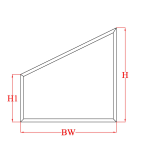
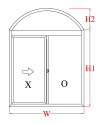
Yes. Custom sizing is a core advantage of flexible manufacturing lines in China. Orders are fabricated to exact project window schedules in 1/8-inch (3mm) increments. Automated bending machinery creates custom arch radii, gothic arches, trapezoids, round lites, and multi-lite stack configurations using the same fusion-welded frame extrusion platform.
For maximum energy efficiency, specify triple-pane or dual-pane insulating glass units (IGUs) incorporating triple-silver Low-E coatings (such as LoĒ³-366), 90%+ Argon gas fill, and composite warm-edge structural spacers (e.g., Technoform or SuperSpacer). This combination achieves U-factors below 0.24 Btu/h·ft²·°F and Solar Heat Gain Coefficients (SHGC) down to 0.18, comfortably passing California Title 24 and ENERGY STAR Most Efficient thresholds.
Windows are packed using heavy-duty export protocols: each unit is fitted with rigid plastic corner guards, wrapped in protective foam sheets, and sealed in moisture-barrier stretch wrap. Units are then secured in custom-built, fully enclosed fumigated plywood crates or vertical steel A-frames designed for fork-truck loading and zero movement inside 40ft High Cube containers.
Standard production lead time for custom container orders is typically 20 to 30 calendar days following shop drawing sign-off and deposit receipt. Expedited options exist for commercial project schedules. Ocean freight transit times range from 14 days (US West Coast) to 30-35 days (US East Coast / Europe / South America).
Connect directly with our engineering team to review building schedules, verify architectural specs, request CAD drawings, or receive a factory-direct container price quotation.
Get a Quote