
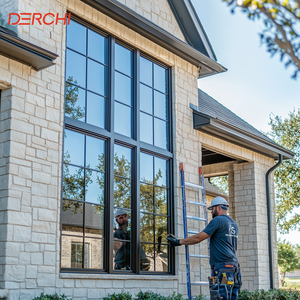
Engineered for extreme thermal performance, structural rigidity, and long-term acoustic isolation across global residential and commercial developments.
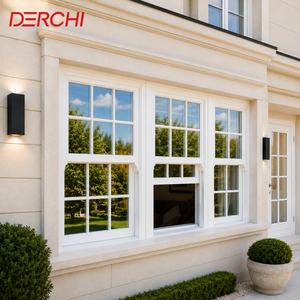
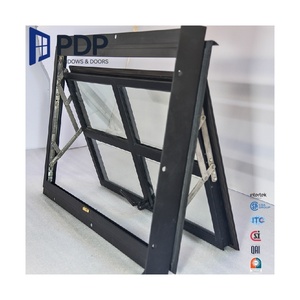
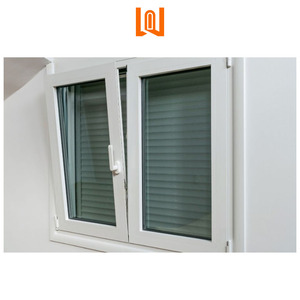
Unplasticized Polyvinyl Chloride (UPVC) profile extrusion has undergone a radical technological metamorphosis over the past decade. Driven by stringent global energy codes—such as California's Title 24, the EU Energy Performance of Buildings Directive (EPBD), and emerging zero-carbon building standards—fenestration engineering has moved far beyond simple vinyl extrusions. Modern UPVC profiles are multi-chambered, micro-engineered composite structures designed to provide unmatched thermal insulation, acoustic damping, and extreme structural longevity.
In global B2B procurement, evaluating a UPVC profile manufacturer requires evaluating the chemical physics of their formulation, the mechanical precision of their twin-screw extruders, and their mastery over thermal reinforcement technologies. Below are the key technological forces shaping high-performance UPVC manufacturing today:
Moving from legacy 3-chamber systems to advanced 6 and 7-chamber internal web geometries breaks convective heat transfer inside the profile, driving frame U-values down below 1.0 W/m²K without heavy insulation inserts.
Leading global factories have completely eliminated heavy-metal lead (Pb) stabilizers, replacing them with Calcium-Zinc (Ca/Zn) and organic heat stabilizers that preserve structural elasticity and resist yellowing under high UV index.
To overcome traditional white vinyl color limitations, co-extrusion technology fuses Acrylonitrile Styrene Acrylate (ASA) onto exterior UPVC profiles, delivering heat-reflective metallic black, architectural bronze, and wood-grain finishes.
Information Gain Insight: Raw material selection dictates 70% of profile lifespan. Premium UPVC profiles incorporate minimum 8% Titanium Dioxide (Rutile TiO2) to scatter solar radiation, combined with high-grade Impact Modifiers (CPE/Acrylic) to prevent brittle corner fractures in sub-zero winter zones.
When procurement managers, real estate developers, and façade engineers analyze UPVC profile suppliers, technical parameters must be rigorously compared. The table below outlines the industrial evaluation matrix applied to top-tier global extrusion plants.
| Evaluation Parameter | Tier 1 Premium Standard | Standard Commercial Grade | Impact on Building Performance |
|---|---|---|---|
| Wall Thickness (DIN EN 12608) | Class A (Nominal ≥ 2.8 mm) | Class B / C (2.0 mm - 2.5 mm) | Controls screw pull-out strength, corner weld shear force, and wind load deflection. |
| Thermal Transmittance (Uf) | 0.90 – 1.20 W/m²K | 1.50 – 1.80 W/m²K | Directly dictates building HVAC energy loads and condensation threshold. |
| UV Stabilization Recipe | Lead-Free Ca/Zn + 8-10% Rutile TiO2 | Lead Stabilized / Low TiO2 (<5%) | Prevents profile chalking, surface embrittlement, and discoloration in severe sunlight. |
| Steel Reinforcement Channel | 1.5mm–2.0mm Galvanized Box Steel | 1.0mm L-Shape Strip Steel | Provides structural resistance against hurricane wind-load pressures (DP 50+). |
| Corner Weld Shear Strength | > 3,500 N Tensile Resistance | < 2,200 N Tensile Resistance | Ensures window frames do not rupture or twist under structural building settlement. |
Unlike standard profile brokers or simple window assemblers, factory-direct integrated manufacturers maintain vertical ownership over the entire production cycle: from raw PVC compounding and extrusion die design to multi-head fusion corner welding and LoĒ³-366 insulating glass glazing.
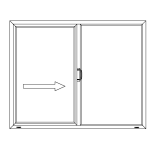
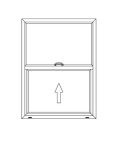
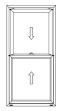
Our profile systems support 15 standardized profile configurations, engineered with uniform sightlines and seamless frame depth alignment across mixed-use developments:
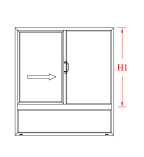
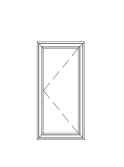
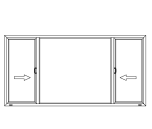
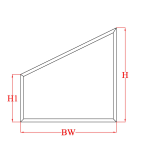
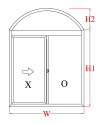
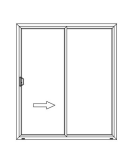

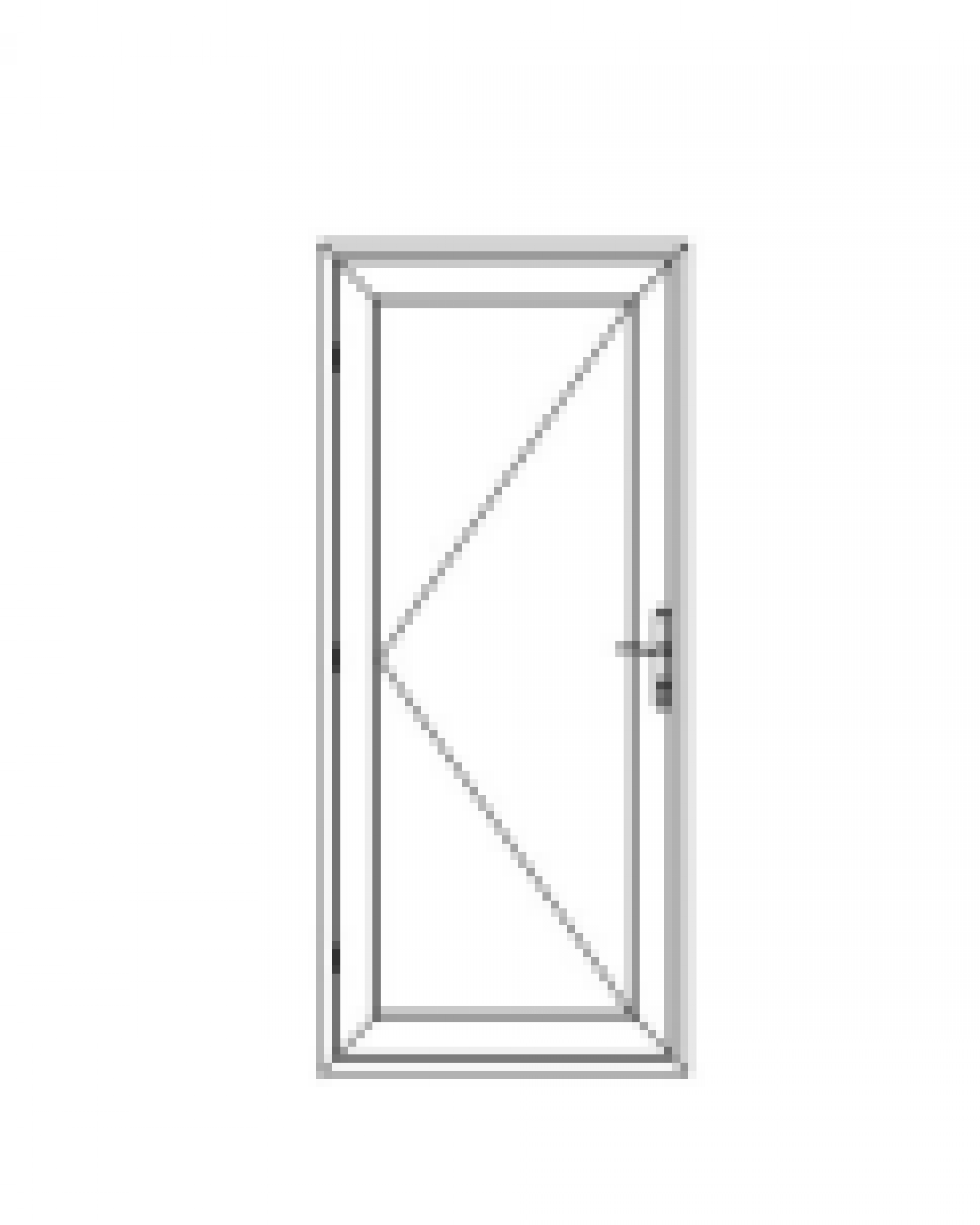
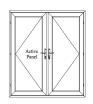
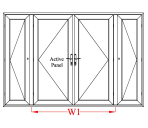
Corners are automated heated-fused at 245°C into a single continuous monolithic structure. Unlike mechanical aluminum joints with rubber gaskets, fusion-welded UPVC corners can never shrink, leak, or loosen over time.
Combined with warm-edge stainless steel spacers and argon gas fill, our insulating units achieve a Solar Heat Gain Coefficient (SHGC) of 0.22, blocking 95% of damaging UV heat rays while allowing light to flood indoor living areas.
Importing UPVC profiles or prefabricated window units requires strict quality verification to ensure compliance with local building safety codes. Global project buyers must establish clear mill test certificates (MTC) and factory acceptance testing (FAT) before issuing production releases.
Comprehensive technical solutions addressing common engineering, manufacturing, and international procurement queries.
Send your architectural drawings, elevation plans, or profile extrusion requirements directly to our engineering team for instant technical analysis and factory-direct pricing.
Contact Us