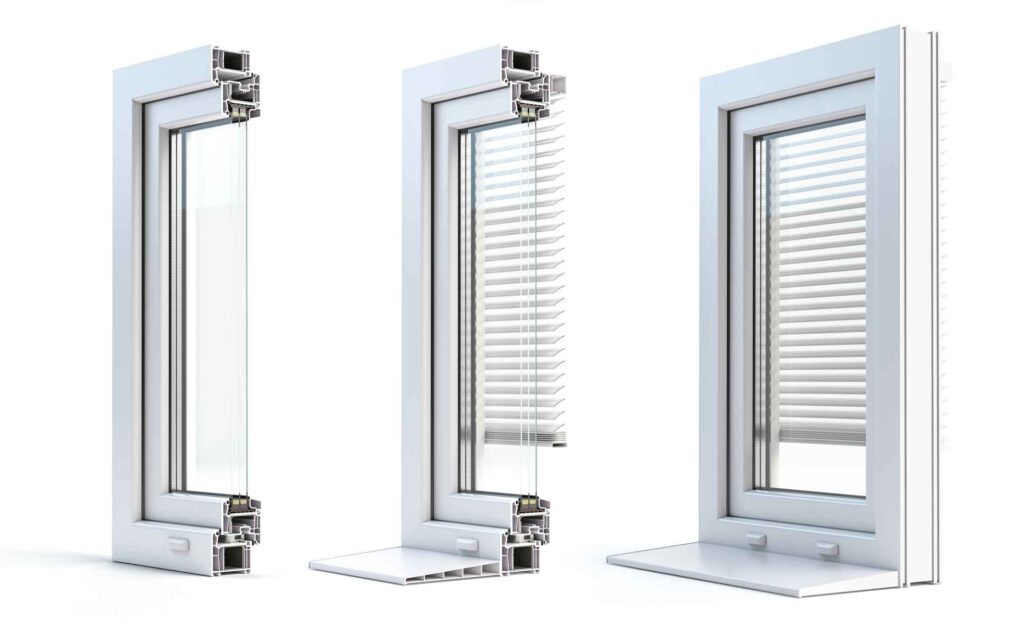
Engineered for commercial, hospitality, and luxury multi-family developments. Every unit is built to order with fusion-welded profiles and low-E energy packages.
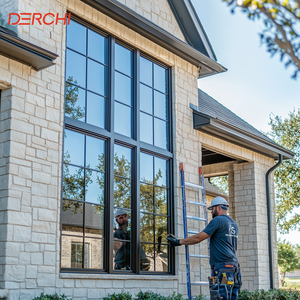
Heavy-duty dual-glass aluminum framing with integrated decorative grills, engineered for superior wind load and airtight performance in high-rise coastal conditions.
Contact Us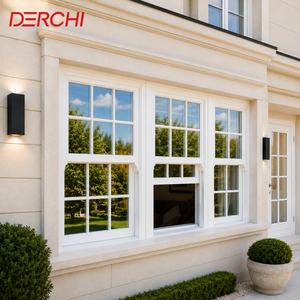
American classic double-hung and precision swing sash configuration featuring heavy-gauge extruded profiles with thermal barrier interlayers for luxury remodels.
Contact Us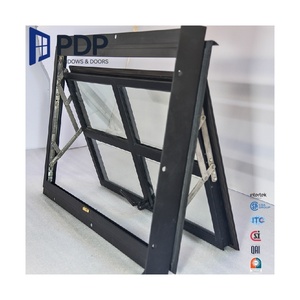
Custom radius arched frames with tinted insulated glass package, delivering STC acoustic isolation and exceptional U-Factor energy efficiency for estate entries.
Contact Us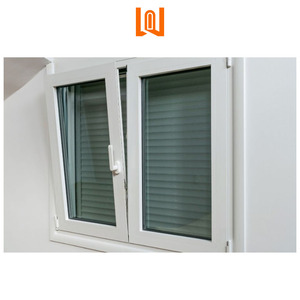
Fusion-welded multi-chambered vinyl frame technology equipped with German hardware, designed for zero-air-infiltration and multi-point perimeter locking.
Contact Us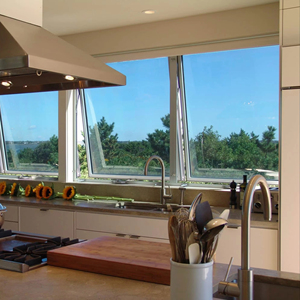
Top-hinged and side-swing entry solutions built with reinforced structural wall thicknesses, meeting Title 24 compliance and heavy commercial usage demands.
Contact Us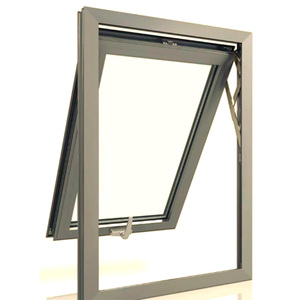
Contemporary façade unit combining vertical louver ventilation panels with double-glazed hinged swing doors for modern hospitality developments.
Contact Us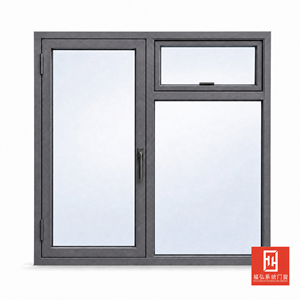
Versatile dual-action opening mechanisms offering micro-ventilation and full-swing clear opening width, ideal for high-humidity master suite installations.
Contact Us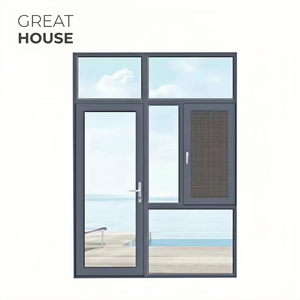
Engineered for luxury villas and resort properties, combining LoĒ³-366 solar heat control glass with heavy-duty adjustable friction hinges and low thresholds.
Contact UsQuantifiable production capabilities driving structural performance across commercial fenestration projects.
An architectural deep-dive into profile extrusion technology, structural load resistance, and supply chain audit protocols for enterprise buyers.
In contemporary commercial and residential fenestration engineering, swing doors—frequently specified as hinged patio doors, French doors, or single-entry architectural sills—represent one of the most critical structural envelope elements. Unlike sliding systems that disperse weight along a horizontal track, swing doors exert localized cantilevered loads on vertical frame jambs. Consequently, identifying top-tier swing door manufacturers requires a rigorous evaluation of structural extrusion alloys, corner joint mechanics, and thermal break integration.
Global procurement teams moving away from standard off-the-shelf assemblies now prioritize vertically integrated manufacturers. Leading factories control the entire production line: from extrusion die design and aluminum alloy aging (such as 6063-T6 temper) to UPVC multi-chamber profile formulation, fusion welding, insulated glass unit (IGU) assembly, and automated powder coating. This vertical integration guarantees dimensional consistency down to 1/8-inch increments, preventing frame racking and air infiltration over decades of operation.
When performing factory audits across global exporters, architectural specifiers and general contractors must evaluate facilities based on four foundational engineering parameters:
High-end vinyl sashes utilize continuous thermal fusion welding, creating a monolithic seam zero-gap joint. Aluminum sashes must feature heavy-duty cast corner cleats with pneumatic crimping and dual-component epoxy injection to eliminate structural racking.
Integration of triple-silver Low-E glass packages (such as LoĒ³-366) paired with warm-edge stainless steel spacers and 90%+ Argon gas fill. This reduces U-Factors down to 0.27 Btu/h·ft²·°F while blocking over 95% of ultraviolet radiation.
German-engineered multi-point locking gear paired with heavy-gauge gearboxes. Weatherproofing requires continuous EPDM bulb gaskets and sloped aluminum weep sills to withstand wind-driven rain up to 15 PSF.
Selecting between thermal break aluminum and high-density vinyl for commercial swing door projects depends on regional climatic conditions, building height, and desired sightlines. Below is a structural comparison matrix detailing technical performance metrics verified across leading global exporters:
| Engineering Attribute | Thermal Break Aluminum Swing Doors | Fusion-Welded UPVC Swing Doors | Specification Standard |
|---|---|---|---|
| Profile Material | 6063-T6 Architectural Grade Alloy | 100% Virgin Multi-Chamber UPVC | ASTM B221 / AAMA 303 |
| Corner Joint Sealing | Mechanical Cleat + Epoxy Injection | Full Monolithic Fusion Weld | AAMA 101 / WDMA / CSA |
| Thermal Conductivity (U-Factor) | 0.28 – 0.34 W/m²K (With Polyamide Strip) | 0.24 – 0.30 W/m²K (Multi-Chamber Core) | NFRC 100 / 200 |
| Acoustic Isolation (STC Rating) | STC 38 – STC 44 (Laminated IGU) | STC 35 – STC 42 (Asymmetric Glass) | ASTM E90 / ASTM E413 |
| Corrosion & Salt Spray Resistance | Fluorocarbon (PVDF) 3-Coat Paint | Inherent UV & Coastal Salt Immunity | AAMA 2605 / ASTM B117 |
| Air Infiltration Rate | < 0.10 cfm/ft² @ 1.57 psf | < 0.05 cfm/ft² @ 1.57 psf | ASTM E283 |
Strategic shifts in architectural fenestration, decarbonization compliance, and smart factory consolidation.
International building codes are increasingly mandating Environmental Product Declarations (EPDs) for structural envelopes. Tier-1 swing door factories are adopting zero-waste extrusion closed-loop systems, utilizing 100% recyclable virgin vinyl and low-carbon aluminum smelted with renewable hydro-energy to lower embodied carbon counts.
Modern architectural intent demands maximum daylighting. Emerging swing door manufacturing utilizes structural silicone glazing (SSG) technology, bonding the glass directly to hidden internal sashes. This allows profile sightlines to shrink below 50mm while sustaining design wind pressure (DP) ratings exceeding 60 PSF.
Commercial entry portals are transitioning to concealed mechatronic multi-point locking systems. Advanced exporters are embedding IoT micro-sensors within frame cavities during factory assembly, permitting seamless integration into building management systems (BMS) for motorized swing access and security monitoring.
Mid-tier distributors and resellers add markup while fragmenting warranty accountability. Working directly with an engineered fenestration manufacturer guarantees vertical control across every phase of fabrication.
Addressing technical specifications, export logistics, and customization protocols for enterprise architectural purchasing.