In modern architectural retrofits and commercial building envelope upgrades, selecting the correct replacement window manufacturer demands rigorous engineering evaluation. Beyond aesthetic integration, specifying structural framing, thermal breaks, uPVC extrusion purity, and low-emissivity glass packages directly determines long-term ROI, ENERGY STAR® 6.0/7.0 performance compliance, California Title 24 alignment, and acoustic STC ratings. This comprehensive guide reviews top tier manufacturing specs and highlights eight premium fenestration solutions available for volume procurement.
Explore engineered replacement windows manufactured with fusion-welded seams, multi-chambered thermal profiles, and advanced glazing assemblies.
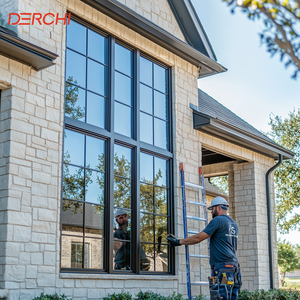
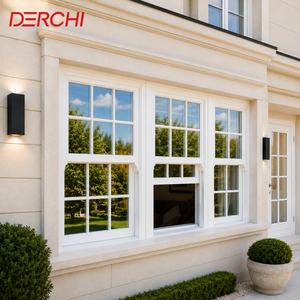
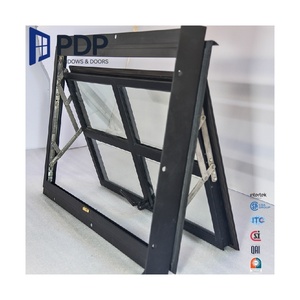
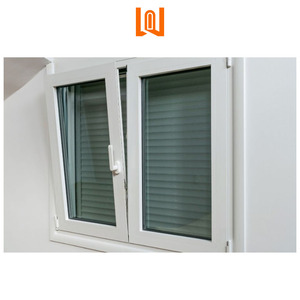
Why leading general contractors, multi-family developers, and fenestration distributors partner with premier factory-direct producers.
By operating proprietary extrusion dies for both multi-chambered virgin uPVC and high-grade 6063-T6 aluminum alloys, top manufacturers maintain total dimensional precision to within 1/8-inch tolerances. Eliminating third-party profile purchasing avoids batch-to-batch color shifts and ensures strict structural wall thickness consistency.
Unlike budget mechanically screwed frames that degrade, expand, and leak air over time, high-spec uPVC units utilize 45-degree heat fusion welding. Corner joints melt into a single monolithic structural piece, providing zero water infiltration points and superior resistance against frame rack deformation under severe wind loads.
Standard dual-pane units frequently fail solar heat control. Incorporating triple-silver Low-E coatings (such as LoĒ³-366) combined with 90%+ Argon gas fill drops Solar Heat Gain Coefficients (SHGC) down to 0.22 - 0.27 while preserving high visible light transmission (VLT > 60%), fully satisfying stringent Title 24 energy mandates.
A side-by-side comparison of replacement window material categories for procurement decision-making.
| Performance Metrics | Fusion-Welded Virgin uPVC | Thermally Broken Aluminum | Standard Non-Break Aluminum |
|---|---|---|---|
| Thermal Transmittance (U-Factor) | 0.24 – 0.28 (Excellent) | 0.28 – 0.32 (Very Good) | 0.55 – 0.85 (Poor) |
| Condensation Resistance Index (CR) | 60 – 72 | 52 – 64 | 15 – 30 |
| Acoustic Sound Transmission (STC) | STC 32 – 42 (w/ Laminated IG) | STC 34 – 44 (w/ Laminated IG) | STC 26 – 30 |
| Maintenance & Corrosion Resistance | Immune to rot, coastal rust, UV yellowing | Anodized/Powder Coated resistance | Prone to surface oxidation |
| Ideal Procurement Application | Multi-family, Residential Retrofits, Hotels | High-rise, Commercial & Luxury Villas | Low-budget temporary sheds |
How decarbonization policies, smart glass innovations, and supply chain logistics are shifting international window purchasing strategies.
Commercial real estate developers and architects are rapidly transitioning from legacy framing materials to low-embodied-carbon profiles. Future window procurement guidelines prioritize suppliers who enforce circular manufacturing practices—recycling post-industrial uPVC scraps into inner structural cores while isolating outer visual surfaces with 100% virgin polymer caps. Buyers now require Environmental Product Declarations (EPDs) alongside standard engineering submittals.
With urban density accelerating, noise pollution around transport hubs and commercial corridors has made acoustic insulation a primary selling point. Procurement specs are shifting away from standard 3mm/3mm dual-pane glass setups toward asymmetrical glass builds (e.g., 4mm + 6mm) paired with PVB or acoustic resin interlayers. This design disrupts harmonic sound wave transmission, achieving STC ratings above 40 dB without sacrificing daylighting.
On-site labor shortages and rising construction costs are driving demand for pre-glazed, pre-flanged window units ready for rapid rough-opening installation. B2B buyers increasingly partner with suppliers capable of delivering custom nail-fin attachments, pre-applied interior J-channels, and integrated structural stacking couplers direct from the factory line, slashing jobsite installation times by up to 40%.
Engineering breakthroughs redefining thermal efficiency, hardware durability, and structural window performance.
Replacing traditional aluminum box spacers with stainless steel or silicone-based warm-edge flexible spacers eliminates thermal bridging around the insulated glass perimeter. This technological upgrade raises edge-of-glass temperatures by up to 12°F, effectively preventing winter interior condensation.
Modern casement, tilt-and-turn, and hopper windows are abandoning basic single-latch hardware in favor of continuous stainless-steel gear drives. Actuating a single handle drives multiple mushroom-head locking cams into heavy-duty keeper plates along the frame, dramatically boosting air seal pressure and forced-entry deterrence.
Instead of manually sliding wool-pile weatherstripping into grooves after frame welding, advanced production lines co-extrude TPV or EPDM rubber gaskets directly onto the vinyl profile during initial extrusion. This creates continuous, seamless weather barriers around sashes that will not shrink, detach, or degrade under extreme temperature cycling.
Essential technical and logistical answers for architects, project engineers, and commercial buyers.
Submit your window schedules, architectural elevations, or project inquiries to consult directly with our engineering team for factory-direct quotes and custom samples.
Inquire Now