Direct OEM/ODM Sourcing Solutions featuring Precision Fusion-Welded Vinyl & Thermal Break Aluminum Systems
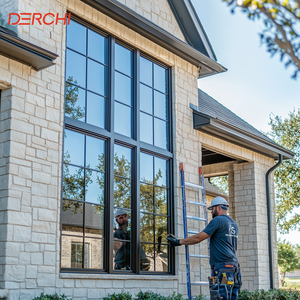
Heavy-duty crank-out casement system featuring dual-pane thermal break glass and interior aesthetic decoration grills. Ideal for premium residential projects.
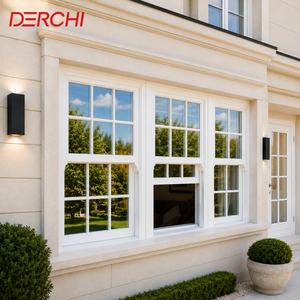
Modern heritage sash window featuring smooth vertical sliding mechanisms, tilt-in sashes for easy maintenance, and robust vinyl extrusion profile design.
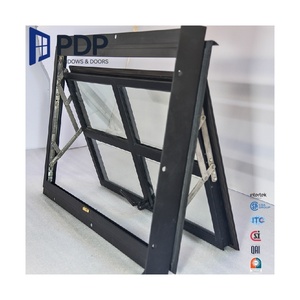
Engineered soundproof double glazed tinted glass with top-hinged hopper awning functionality. Built with vintage architectural arched perimeter frames.
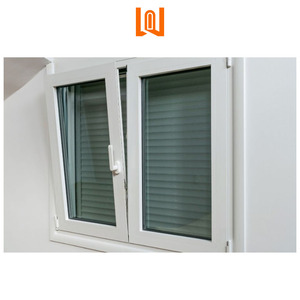
European-inspired dual-action tilt and turn hopper vinyl window. Engineered with fusion-welded PVC profiles and argon-filled insulating low-E glass units.
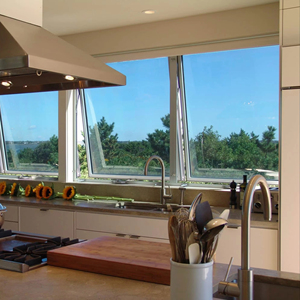
Multi-family and commercial-grade aluminum frame assembly. Top-hinged awning and casement hybrid configuration delivering high structural load ratings.
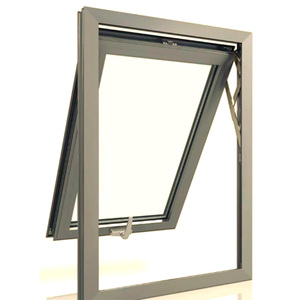
Architectural residential fenestration featuring integrated vertical sunshading louvers, thermal barrier profiles, and multi-point security locking systems.
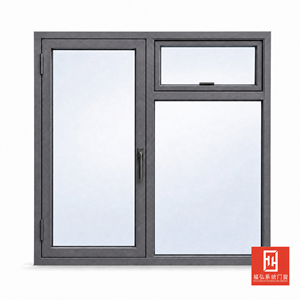
Customizable dual-mode opening fenestration designed for modern bathroom and high-moisture residential elevations requiring maximum ventilation flexibility.
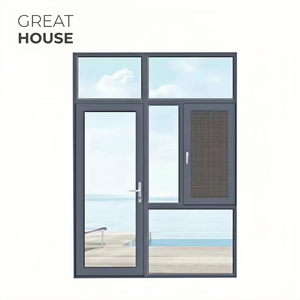
Universal application exterior window package optimized for hotels, villas, and multi-family developments requiring superior air and water tightness ratings.
An In-Depth Whitepaper for Commercial Procurement Directors, Real Estate Developers, and Fenestration Importers
The global high-performance architectural fenestration market is undergoing a structural transition toward energy-efficient, multi-lite curved projections. Bow windows—typically defined as engineered fenestration assemblies composed of four, five, or six continuous window lites joined at uniform angles (most commonly 10° to 15°)—represent the pinnacle of structural exterior glazing. Unlike traditional 3-lite 45° bay windows, bow windows form a smooth, sweeping structural curve that maximizes internal daylight penetration while significantly augmenting building elevation aesthetics.
According to international trade data and architectural procurement metrics, demand for custom vinyl and thermal-break aluminum bow windows across North America, Europe, and Australia is projected to grow at a CAGR of 6.8% through 2030. Key growth drivers include stringent municipal energy conservation mandates (such as California's Title 24 and the EU Energy Performance of Buildings Directive), modern acoustic insulation requirements in urban high-density corridors, and the surging demand for factory-direct OEM/ODM suppliers capable of supplying pre-mullioned, ready-to-install structural units.
Selecting top-tier manufacturers requires looking beyond surface aesthetics. The defining reliability indicators for exported bow windows lie in corner fusion-welding tensile strength, continuous structural mullion reinforcement (steel or structural aluminum inserts), and glass perimeter warm-edge spacer technology.
Specifying the appropriate projected window assembly requires a comprehensive understanding of structural load distribution, rough opening physics, and solar optical properties. Below is an engineering benchmark grid comparing commercial Bow Window assemblies against standard Bay Window systems.
| Performance Metric | Architectural Bow Windows (4-6 Lites) | Standard Bay Windows (3 Lites) | Engineering Compliance Standard |
|---|---|---|---|
| Projection Angle Radii | 10°, 15°, or 30° gradual radial curve | 30° or 45° sharp angular projection | AAMA 101/I.S.2/A440 |
| Frame Joint Integrity | Monolithic fusion-welded or thermal strut mullions | Mechanical fastener / silicone corner jointing | ASTM E330 Structural Performance |
| Thermal Transmittance (U-Factor) | 0.22 – 0.28 BTU/hr·ft²·°F (with LoĒ³-366 & Argon) | 0.28 – 0.35 BTU/hr·ft²·°F | NFRC 100 / Title 24 Standards |
| Solar Heat Gain (SHGC) | 0.18 – 0.24 (Customizable Triple Silver Coating) | 0.30 – 0.40 (Standard Low-E) | NFRC 200 Energy Rating |
| Acoustic Rating (STC / OITC) | STC 34 – 42 (Asymmetric Laminated Glass) | STC 28 – 32 (Standard Dual Pane) | ASTM E90 Acoustic Testing |
| Air Infiltration Resistance | < 0.04 cfm/ft² at 1.57 psf (75 Pa) | < 0.12 cfm/ft² | ASTM E283 Water/Air Infiltration |
A primary decision for international window distributors and project developers is choosing between uPVC (Unplasticized Polyvinyl Chloride) frame extrusions and Thermal Break Aluminum systems:
1. High-Purity Extruded Virgin Vinyl: Top-tier manufacturers utilize 100% virgin vinyl compounded with titanium dioxide (TiO2) UV stabilizers. Free from reground recycled contaminants, these profiles resist yellowing, cracking, and thermal distortion even under extreme solar radiation. Crucially, fusion-welded vinyl corners melt frame and sash members into a single, seamless structural block, completely eliminating water leakage paths common to mechanically screwed joints.
2. Polyamide Thermal-Break Aluminum: For grand architectural elevations requiring narrow sightlines and massive structural load capacity, thermal-break aluminum profiles utilize high-density polyamide (PA66GF25) structural insulation struts. These struts isolate the exterior aluminum extrusion from the interior, preventing heat bridging and eliminating condensation risks in cold climates.
Anticipating Market Demands: Next-Generation Technologies Shaping B2B Window Exports
Next-gen glass specs prioritize microscopic triple-layer silver coating. This technology blocks 95% of solar ultraviolet and infrared heat while maintaining high Visible Light Transmittance (VLT > 64%), drastically cutting cooling loads in hot zones without darkening interior rooms.
Exported bow windows increasingly feature internal high-tensile steel cable support systems. Prefabricated turnbuckles transfer the cantilevered load directly to the house framing header, eliminating unsightly exterior diagonal wood knee-braces under the window seat board.
With urban density increasing worldwide, buyers now mandate specialized polyvinyl butyral (PVB) acoustic interlayers. Dissimilar glass thickness combinations (e.g., 6mm exterior + 4mm interior) effectively disrupt sound wave resonance from heavy traffic and airports.
Commercial developers are specifying motorized between-the-glass blinds (dust-free micro louvers sealed inside the insulated glass cavity) and smart electrochromic tinting that dynamically alters solar heat gain coefficients via automated building control systems.
Why Global Importers & General Contractors Partner with Integrated Fenestration Manufacturers
Distinguishing top-tier manufacturers from assembly shops relies on single-roof vertical integration. Operating in-house extrusion dies, automated fusion welders, and precision insulated glass production lines provides complete quality oversight and strict lead-time control.
Every window unit is built to exact field dimensions, eliminating costly jobsite trim extensions or oversized buck frame filling.
Corner joints are heat-fused under high pressure, creating a continuous structural vinyl barrier with zero mechanical leaks.
Dual-sealed insulated glass units utilizing stainless steel or composite warm-edge spacers to prevent perimeter thermal transfer.
Heavy-duty wooden crating, corner foam guards, and vacuum-sealed plastic wrap guarantee zero glass breakage during ocean transit.
Addressing Technical, Engineering, and Logistics Inquiries from International B2B Buyers
Submit your window schedules, architectural CAD drawings, or project opening specs to receive detailed engineering line-by-line pricing and container consolidation plans.