Engineered with precision fusion welding, high-efficiency thermal breaks, and low-E glazing systems built to exceed structural and energy benchmarks.
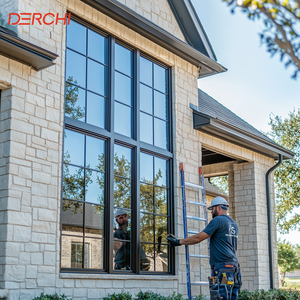
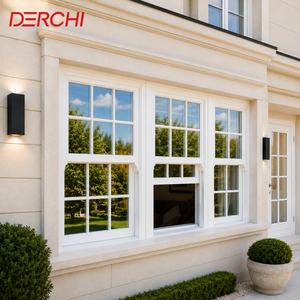
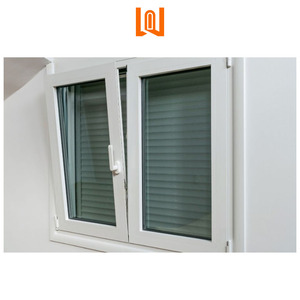
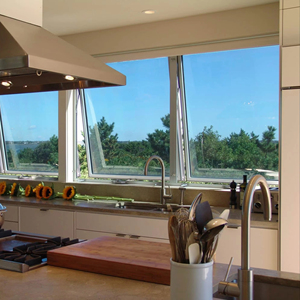
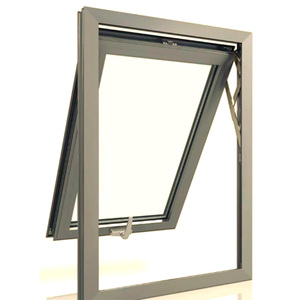
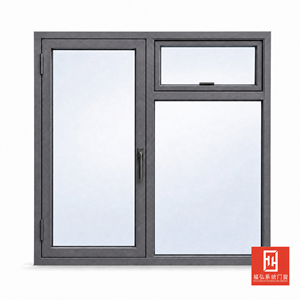
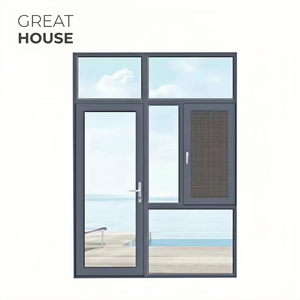
Architectural arch windows—encompassing full half-rounds, eyebrows, gothic arches, elongated springlines, and custom radius geometries—represent the apex of fenestration engineering. Unlike standard rectangular windows that rely on straightforward linear extrusions and right-angle miter joints, manufacturing radius windows demands strict physical controls over profile wall integrity, structural corner loading, and curved glass seal longevity.
When selecting a top-tier manufacturer from the global B2B landscape, commercial procurers, real estate developers, and architectural specifiers must look beyond surface aesthetics. Bending vinyl (uPVC) or thermal break aluminum profiles introduces localized material stress. Without state-of-the-art radio-frequency profile bending, internal support mandrel stabilization, and specialized CNC fusion welding, curved frame profiles suffer from wall thinning, structural twisting, and compromised weatherseal channels. This deep-dive evaluation provides procurement directors with the exact technical criteria required to evaluate global factories, manage structural load parameters, and secure high-gain energy performance.
Top-tier factories utilize heavy-wall extrusions (> 2.8mm structural wall thickness for uPVC and > 2.0mm for T6 architectural aluminum). This prevents buckling during the radius-bending heating phase and ensures structural DP ratings up to DP65.
Curved insulating glass (IG) units require automated robotic sealant application. Flexible warm-edge spacers (such as Technoform or Super Spacer) are essential to prevent edge-stress seal failure under thermal expansion.
In accordance with Google’s Search Quality Rater Guidelines for E-E-A-T (Experience, Expertise, Authoritativeness, and Trustworthiness), this benchmarking framework evaluates global manufacturing facilities based on empirical performance, certification compliance, and material engineering standards.
Evaluating whether vinyl manufacturers utilize 100% virgin uPVC compound with titanium dioxide (TiO2) stabilization (>9 parts per 100 resin) to prevent UV yellowing and brittleness in high-solar zones. Aluminum factories must supply 6063-T5 or T6 alloy with anodized or AAMA 2605 powder coat finishes.
Fusion welding melts frame corners into a single monolithic plastic structure, completely eliminating air infiltration paths. For thermal break aluminum arches, precision CNC corner crimping combined with two-component structural epoxy sealant guarantees zero water penetration under wind-driven rain tests (ASTM E331).
Leading factories possess computerized hot-oil and infrared radius bending machinery capable of holding dimensional tolerances within ±1/16 inch (1.5mm) across 120-inch spans, enabling perfect drop-in fitting during jobsite installation.
| Evaluation Metric | Standard Tier Factory | Tier 1 World-Class Factory (Amar / DERCHI Standard) | Engineering Advantage |
|---|---|---|---|
| Frame Corner Joint | Screwed Mechanical Joint | Monolithic Fusion Welded / Crimped Epoxy | Eliminates corner leakage and frame racking over 30+ years |
| Vinyl Composition | Reground / Recycled Mix | 100% Virgin uPVC + High TiO2 UV Shield | Prevents cracking, chalking, and discoloration under severe sun |
| Thermal Barrier | Basic PVC Strip | Polyamide PA66 GF25 Reinforced Struts | Superior structural rigidity and ultra-low U-Factors (< 0.24) |
| Glass Package | Single / Basic Double Glaze | LoĒ³-366 Dual/Triple Pane + Argon Fill | Blocks 95% of UV energy while maintaining high light transmission |
| Radius Tolerance | ± 1/4 inch (6.3mm) | ± 1/16 inch (1.5mm) Precision CNC Radius | Reduces jobsite installation labor and eliminates custom framing trim |
The global fenestration industry is undergoing a structural transition driven by stringent building energy codes (such as California Title 24, European EN 14351-1, and Net-Zero Energy directives). Procurement directors must align their supply chains with the following emerging technology trends:
While triple-pane glazing has historically been the default specification for cold climates, next-generation arch window manufacturing is shifting toward Vacuum Insulated Glass (VIG). VIG achieves U-factors as low as 0.08 BTU/h·ft²·°F in a profile thickness of just 8.3mm. Leading factories are re-engineering radius sash profiles to accommodate VIG units without increasing overall weight or frame sightlines.
Architects increasingly demand dark exterior fenestration aesthetics (such as architectural bronze and matte black) without sacrificing the superior interior thermal insulation of uPVC. The procurement market is expanding rapidly for co-extruded or aluminum-clad vinyl arch windows, combining the maintenance-free thermal performance of fusion-welded vinyl with the high-durability aesthetic of exterior powder-coated aluminum cladding.
Corporate ESG mandates require window factories to declare Environmental Product Declarations (EPDs). Future-proof factories are shifting toward calcium-zinc (Ca-Zn) stabilized vinyl compounds that eliminate lead entirely, alongside low-carbon aluminum extruded using hydro-electric energy sources.
To reduce expensive site labor, global procurement managers are moving away from piecemeal window assembly. Modern factories ship fully pre-glazed, factory-tested arch and stack combination units equipped with integrated nail-fins or replacement flanges, dropping installation times by up to 60% per unit opening.
When executing multi-family, commercial, or luxury residential projects, partnering directly with a primary extrusion and welding manufacturer eliminates middleman markup, guarantees strict adherence to architectural window schedules, and secures long-term engineering warranty protection.
By owning primary extrusion tooling and dies, production lines control vinyl wall thickness and alloy tempering directly, ensuring color consistency across thousands of openings.
Insulating glass units are washed in de-ionized water, assembled in automated argon gas-filling press chambers, and dual-sealed with structural silicone for zero seal failure.
Units undergo rigorous laboratory testing for structural wind loading (ASTM E330), water resistance (ASTM E547), air leakage (ASTM E283), and thermal U-Factor certification.
Whether replacing 400 non-standard openings in a multi-family garden apartment complex or fabricating custom radius architectural arches for a private estate, factory-direct vertical integration ensures order compliance, standardized replacement parts availability, and palletized, foam-protected export delivery.
Clear, authoritative technical answers to common questions encountered by architects, buyers, and general contractors during project specification.
Yes. Every arch window unit is custom-engineered and fabricated in 1/8-inch (3.17mm) increments directly from CAD drawings or jobsite template rubbings. Our advanced CNC profile bending machinery allows us to match existing rough openings precisely—including full half-rounds, eyebrow arches, gothic peaks, and extended leg springline arches—without requiring site-applied trim fillers or masonry modification.
Fusion welding uses high-temperature heating plates to melt profile ends together, forming a single, continuous physical joint. Unlike mechanical joints that rely on screws, brackets, and butyl sealants—which degrade, loosen, and leak over time due to thermal contraction—fusion-welded corners are 100% airtight and watertight, providing superior structural load resistance and permanent frame squareness.
For south- and west-facing elevations in sunny or hot climates, we recommend a dual-pane or triple-pane insulating glass package featuring LoĒ³-366 triple-silver low-E coating paired with argon gas fill and warm-edge composite spacers. This configuration delivers an ultra-low Solar Heat Gain Coefficient (SHGC < 0.23) and U-Factor (< 0.27), blocking 95% of solar heat energy while preserving clear interior light levels without heavy tinted glass aesthetics.
Factory export orders undergo rigorous export packaging protocols. Each window is wrapped in protective polyethylene film, fitted with heavy-duty corner guards, separated by shock-absorbing foam pads, and secured inside custom-built steel-banded wooden crates or heavy-duty pallets. This crate design allows direct forklift handling and safe ocean or long-haul truck transportation.
Our comprehensive limited lifetime warranty covers the structural integrity of the extrusions, vinyl frame and sash colorfastness against blistering or chalking, corner fusion welds, operating hardware mechanisms, and hermetic insulating glass seals against seal failure or internal dust formation. Detailed warranty documentation is provided with every commercial proposal.