Explore our top-tier export window and door systems configured with double/triple glazed Low-E coating packages, thermal break profiles, and fusion-welded structural reliability.
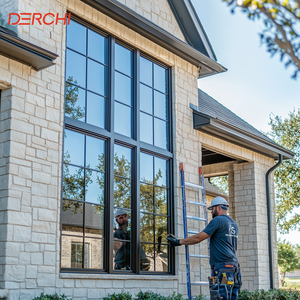
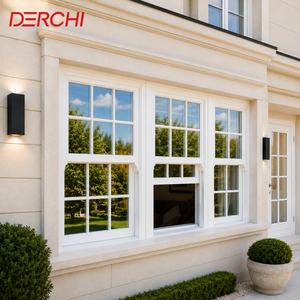
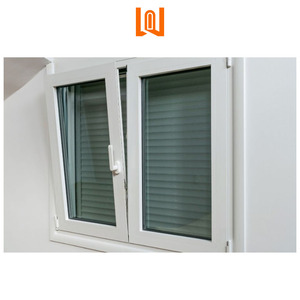
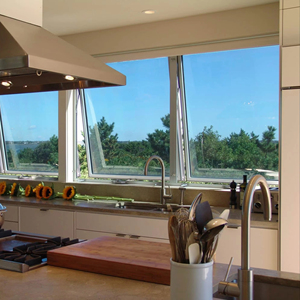
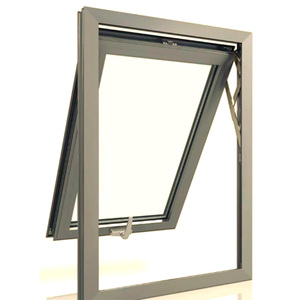
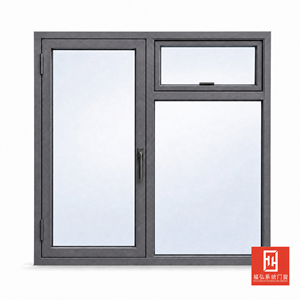
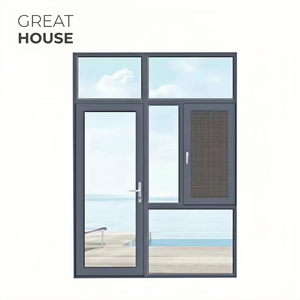
In the contemporary global building sector, fenestration components are no longer viewed merely as passive envelope dividers; they are critical thermal regulators that directly influence a structure’s operational carbon footprint, HVAC load profile, and Title 24 or local energy compliance. As leading China Wholesale Low-E Glass Manufacturers & Exporters, our vertical integration spans raw material extrusion, magnetron sputtered vacuum deposition (MSVD) Low-E glass processing, robotic insulating glass unit (IGU) assembly, and custom profile fabrication (fusion-welded uPVC/vinyl and thermal break aluminum).
This technical guide serves as an authoritative procurement blue-print for architects, glazing contractors, real estate developers, and international wholesale distributors seeking high information gain regarding silver-layer magnetron coatings, thermal performance metrics, and global logistics optimization.
Triple-silver coatings (such as LoĒ³-366) selectively filter infrared light while maximizing visible light transmission, slashing cooling loads in sun-drenched microclimates.
Our vinyl frames eliminate mechanical joint failure points. Thermally fused miter corners form a monolithic barrier against water intrusion and structural air leaks.
Fabricated to order in tight 1/8-inch increments. From simple single-hung units to complex arched or trapezoidal glass assemblies.
Emissivity measures a surface's ability to radiate heat energy. Uncoated clear float glass exhibits an emissivity rating of approximately 0.84, meaning it radiates 84% of absorbed thermal energy into the building interior or exterior ambient air. Low-E coatings reduce this emissivity down to as low as 0.02 to 0.05.
Our manufacturing facilities utilize state-of-the-art Off-Line Soft-Coat Sputtering Technology, depositing atomic layers of silver (Ag) sandwiched between protective dielectric layers of metal oxides (such as zinc oxide or tin oxide). The operational performance varies based on the number of active silver layers:
The table below summarizes certified NFRC-style performance values for typical dual-pane Insulating Glass Units (IGU) manufactured with argon gas fill and warm-edge spacer technology:
| Glass Configuration | U-Factor (Btu/h·ft²·°F) | SHGC (Solar Heat Gain) | VLT (Visible Light Transmittance) | Acoustic Rating (STC) |
|---|---|---|---|---|
| Clear Dual Pane (Uncoated) | 0.48 - 0.52 | 0.64 - 0.70 | 78% - 81% | 28 - 30 dB |
| Single Silver Low-E + Argon | 0.30 - 0.33 | 0.38 - 0.44 | 70% - 74% | 31 - 33 dB |
| Double Silver Low-E + Argon | 0.28 - 0.30 | 0.30 - 0.35 | 66% - 70% | 32 - 34 dB |
| Triple Silver Low-E (LoĒ³-366) + Argon | 0.24 - 0.27 | 0.22 - 0.27 | 62% - 66% | 33 - 36 dB |
| Laminated Acoustic Triple Silver Low-E | 0.23 - 0.26 | 0.21 - 0.25 | 58% - 62% | 38 - 42 dB |
An elite Low-E glass package requires an equally engineered perimeter frame to avoid edge thermal bridging. China's top exporters integrate high-grade vinyl extrusion lines and thermal break aluminum processing under one roof:
Unlike mechanically screwed corners that rely on elastomeric sealants prone to degradation under UV stress and structural racking, our vinyl profiles are fusion-welded. Frame and sash corners are heated to 240°C and fused under pneumatic pressure into a single, continuous structural body. Furthermore, we exclusively use 100% virgin uPVC compound (titanium dioxide enriched), ensuring resistance against yellowing, chalking, and impact cracking under harsh climate exposure.
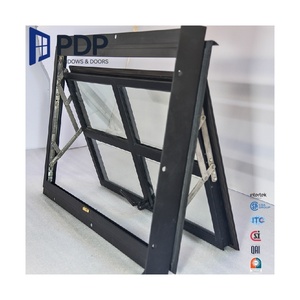
For large-span commercial facades, heavy casements, and sliding patio doors, structural rigidity is paramount. Our thermal break aluminum systems feature structural polyamide (PA66GF25) insulation strips inserted between exterior and interior aluminum extrusions. This breaks the conductive thermal bridge, eliminating condensation risks and lowering frame U-factors to meet strict Title 24 energy code requirements in the United States and AS2047 standards in Australia.
B2B buyers, importers, and general contractors sourcing architectural glass from China must align with emerging global trends shaping the fenestration landscape:
Our manufacturing ecosystem merges American engineering standards (such as the legacy of Amar Engineered Products & Derchi Systems) with the cost efficiency and scale of Chinese industrial production:
Submit your window schedule, project drawings, or wholesale inquiry. Our structural engineers and export specialists will provide a complete line-item quote with thermal calculations within 24 hours.
Get a Quote