Custom-extruded, high-thermal-efficiency window sashes manufactured in strict compliance with NFRC, AAMA, and Title 24 energy standards.
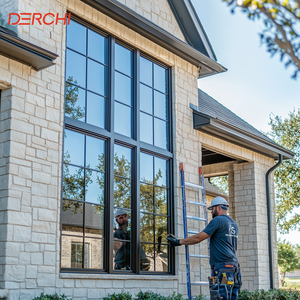
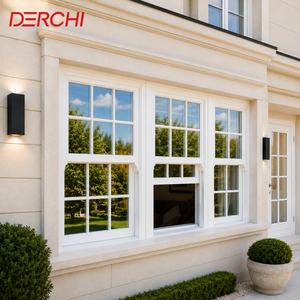
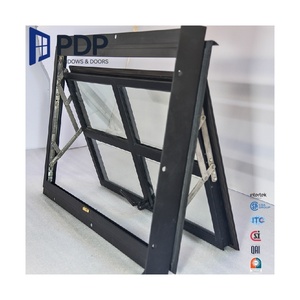
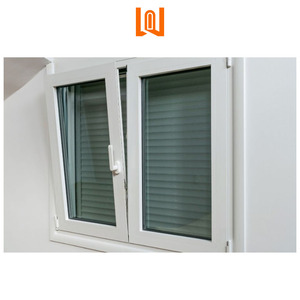
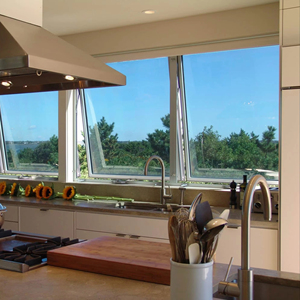
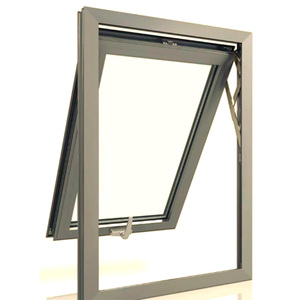
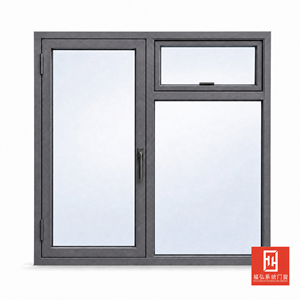
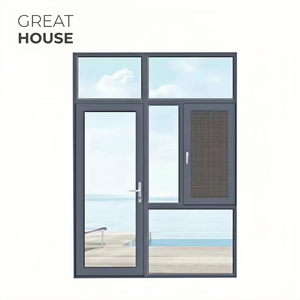
As a leading China top window sashes supplier and exporter, our engineering team operates at the intersection of thermal physics, structural dynamics, and automated fenestration manufacturing. A window sash is far more than a simple framing component that holds an insulating glass unit (IGU); it is a structural envelope element designed to withstand dynamic wind loads (L/175 structural deflection criteria), manage thermal transfers, prevent moisture penetration under atmospheric pressure differentials, and provide operational longevity spanning decades.
Historically, traditional fenestration relied heavily on mechanically joined frame components secured via internal metal brackets, mechanical screws, and superficial corner sealants. Over long-term thermal expansion and contraction cycles, these mechanically fastened corners suffer from thermal fatigue, leading to sealant deterioration, frame racking, and severe air infiltration. Modern commercial-grade procurement requires advanced structural solutions:
Utilizing high-temperature multi-head welding machines, UPVC profile corners are heated to 240°C and fused under pneumatic pressure. This creates a solid, jointless corner that eliminates moisture entry paths entirely.
For high-strength architectural aluminum sashes, low thermal conductivity PA66 GF25 polyamide struts physically isolate exterior and interior aluminum profiles, dramatically lowering system U-factors.
Continuous synthetic rubber seals with vulcanized corner gaskets engineered for compression recovery ensure air infiltration remains below 0.05 cfm/ft² in accordance with ASTM E283 test protocols.
Engineering Benchmark: Our extrusion lines use exclusively 100% virgin vinyl resin (un-plasticized PVC) and 6063-T5/T6 structural aluminum alloys. Reground scrap material is strictly prohibited in our profile matrix to guarantee UV resistance, color stability, and structural yield strength exceeding 170 MPa.
A crucial metric of high-performance sashes exported from China to global markets (including North America, Europe, Australia, and the Middle East) is pressure-equalized drainage. By incorporating concealed sloped weep channels and stepped internal chambers within the sash profile, water driven by high wind pressure is drained harmlessly outward before reaching interior air seals (tested up to 720 Pa under ASTM E331 pressure conditions).
As global building energy codes tighten—driven by directives such as the European Union’s Energy Performance of Buildings Directive (EPBD), California’s Title 24, and Passive House (Passivhaus) standards—the global sourcing landscape for window sashes is undergoing a rapid technological shift. Sourcing directors and real estate developers are migrating away from standardized commodity windows toward customized high-performance sash assemblies engineered for carbon-neutral building envelopes.
Next-generation window sashes must accommodate thicker insulating glass pockets ranging from 24mm to 44mm. Modern architectural specifications frequently mandate triple-silver spectrally selective Low-E coatings (such as LoĒ³-366). These vacuum-deposited microscopic metal layers reflect infrared heat while permitting maximum visible light transmittance (VLT > 64%), effectively achieving Solar Heat Gain Coefficients (SHGC) as low as 0.22 while maintaining optimal indoor daylighting.
With rapid urban development near highways, airport corridors, and high-density commercial centers, noise mitigation has elevated acoustic ratings (STC and OITC) to primary procurement criteria. Specialized sashes incorporating asymmetrical glass thickness combinations (e.g., 6mm exterior + 12mm Argon spacer + 8.38mm acoustic laminated interior glass) dissipate sound wave frequencies, achieving STC values above 42 dB.
The architectural market increasingly demands ultra-clean sightlines paired with smart building control system integration. Future-proof sashes manufactured by top exporters incorporate multi-point perimeter locks hidden within the hardware groove (C-groove or Euro-groove), concealed friction stays, and integrated 24V electric actuators for automated smoke evacuation and climate-controlled natural ventilation.
To assist architectural specifiers and B2B buyers in selecting the appropriate window sash configuration, the technical parameters below summarize the performance values across our principal exported product lines:
| Sash System Type | Thermal U-Factor (Btu/h·ft²·°F) | SHGC Range | Air Infiltration (ASTM E283) | Wind Load Pressure (Pa) | Acoustic STC Rating | Target Application |
|---|---|---|---|---|---|---|
| Fusion-Welded Vinyl Double Hung | 0.24 – 0.28 | 0.20 – 0.40 | < 0.08 cfm/ft² | 2400 – 3600 Pa | 32 – 38 dB | Multi-family residential & single-family retrofits |
| Thermal Break Aluminum Casement | 0.26 – 0.32 | 0.22 – 0.45 | < 0.04 cfm/ft² | 3600 – 5000 Pa | 35 – 42 dB | High-rise commercial, luxury villas & institutional |
| Tilt & Turn UPVC System | 0.18 – 0.22 | 0.18 – 0.35 | < 0.02 cfm/ft² | 3000 – 4500 Pa | 38 – 45 dB | Passive house projects, cold climate envelopes |
| Vintage Arched Awning/Hopper | 0.28 – 0.35 | 0.25 – 0.50 | < 0.06 cfm/ft² | 2000 – 3000 Pa | 30 – 36 dB | Heritage replacement & decorative facade openings |
Choosing a qualified China window sashes exporter requires evaluating verified manufacturing capability, raw material traceable supply chains, and international quality management certifications. Unlike trading intermediaries who mark up costs without technical oversight, our vertically integrated plant controls every stage of manufacturing:
We own custom extrusion dies for both vinyl and aluminum profile series. This enables us to modify wall thicknesses (ranging from 2.0mm to 3.0mm structural grade) to match project-specific wind load demands.
Every sash order is manufactured to exact rough opening measurements in 1/8-inch increments, eliminating the need for oversized trim fillers, reducing jobsite labor costs, and preserving structural integrity.
Windows are individually edge-protected with high-density EVA foam corner guards, shrink-wrapped, and loaded onto ISPM-15 compliant heat-treated fumigated wooden pallets to eliminate transit damage.
Quality Assurance Protocol: 100% of finished window sashes undergo pre-shipment corner weld destructive torque testing, hardware operation cycles (10,000 continuous cycles minimum), and IGU laser-dew-point check (-40°C threshold) prior to export crating.
Whether you are managing a 300-unit multi-family residential project, an international hotel renovation, or establishing a regional distributorship, our engineering team provides full technical drawing reviews, competitive factory-direct pricing, and uncompromised build quality.