Sales: (323) 726-2885 [email protected] Mon–Fri 9:00–17:00 PST

China Top UPVC Doors Manufacturers & Exporters

Technical Sourcing Guide, Material Engineering Benchmarks & Executive Procurement Analysis for Architectural Fenestration

Featured Product Catalog

High-Performance UPVC & Composite Door Systems

Engineered for global architectural standards, extreme climate durability, and superior acoustic sealing.
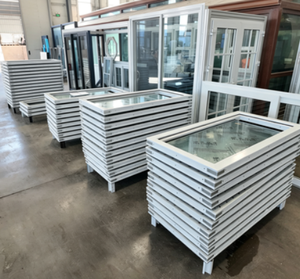
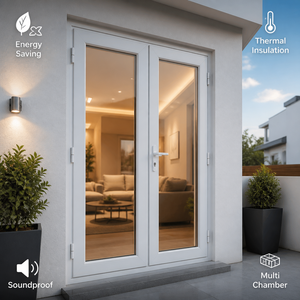
6-Chambers Vinyl Profile UPVC Casement Door

6-Chambers Vinyl Profile U-Factor 1.4W Soundproof UPVC Casement Door

  • 6-Chamber Thermal Insulation
  • U-Factor ≤ 1.4 W/m²K
  • Multi-Point Hardware Locking
  • Acoustic Rating: STC 42 dB
Soundproof Windproof PVC UPVC Building Doors

Soundproof & Windproof PVC & UPVC Building Doors & Windows

  • Heavy-Duty Wind Pressure Tested
  • EPDM Triple Gasket System
  • Custom Architectural Sizing
  • Commercial & Residential Grade
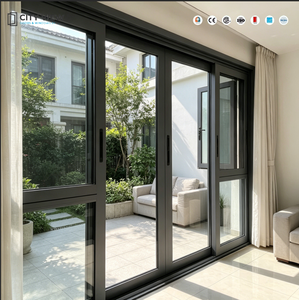
PVC UPVC Doors Wholesale Custom Manufacturing

PVC & UPVC Doors Wholesale & Custom-Made Architectural Systems

  • Virgin Extruded Vinyl Profile
  • Fusion-Welded Corner Joints
  • Low E Glazing Compatible
  • Custom Foil Lamination Options
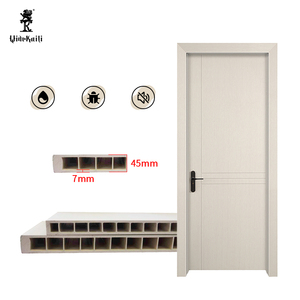
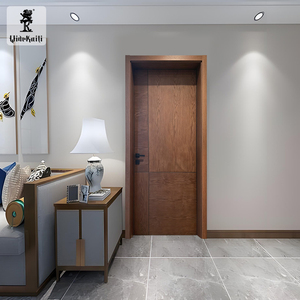
45mm WPC Anti-Termite Interior PVC Wood Door

Wholesale 45mm WPC Door Anti-Termite Waterproof Interior Toilet PVC Wood Door

  • 100% Waterproof Composite Core
  • Termite & Fungal Proof
  • 45mm Solid Door Leaf Thickness
  • Zero Formaldehyde Emission
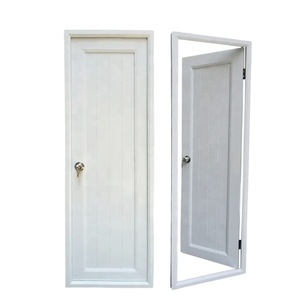
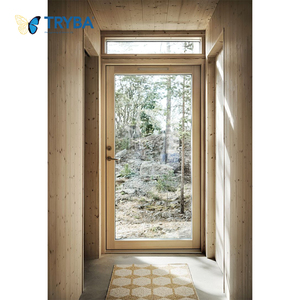
Bathroom Glass Door PVC UPVC Toilet Door

Commercial Glass UPVC Bathroom & Toilet Door with EPDM Seal

  • Tempered Privacy Safety Glass
  • Corrosion-Resistant Hardware
  • High-Moisture Resistance
  • Minimalist Frame Sightline
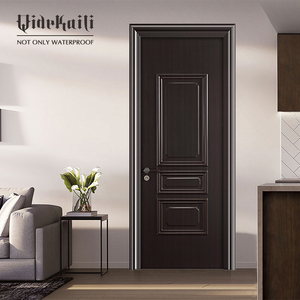
100 Percent Wood Plastic Composite Interior PVC Door

100% Wood Plastic Composite Waterproof Soundproof Interior Living Room Door

  • High Impact Polymer Matrix
  • Acoustic Core Layering
  • Architectural Woodgrain Finish
  • Warp & Scratch Resistant
Energy Saving Double Glazed UPVC Casement Door

Energy Saving Double Glazed UPVC Multi-Chamber Outdoor Casement Door

  • Lodz-366 Solar Control Coating
  • Argon Gas Filled Insulated Glass
  • Multi-Chamber Structural Web
  • Title 24 Energy Compliant
Modern Soundproof Waterproof Internal PVC Door

Modern Style Soundproof Waterproof Internal PVC/WPC Doors for Houses

  • 2026 Architectural Trend Finish
  • Quick-Install Adjustable Frame
  • Heavy Wear Anti-Scratch Skin
  • Integrated Rebate Rubber Seal
Executive Briefing

Engineering Benchmarks of Leading Chinese UPVC Exporters

Unplasticized Polyvinyl Chloride (UPVC) fenestration systems have evolved into the primary choice for energy-efficient commercial and multi-family infrastructure globally.

30+
Years Manufacturing Leadership
1.4W
Thermal U-Factor Performance
100%
Virgin Vinyl Compound Base
45dB
Max Acoustic Sound Attenuation

Unplasticized PVC Extrusion Science: Structural & Thermal Integrity

In the evaluation of high-performance building envelopes, UPVC (Unplasticized Polyvinyl Chloride) profile manufacturing stands out due to its unique combination of mechanical stability, thermal non-conductivity, and resistance to environmental degradation. Unlike plasticized PVC used in flexible goods, UPVC features strict compound formulations that eliminate plasticizers, yielding a rigid polymer frame capable of enduring heavy structural wind loads and extreme solar radiation.

Key Engineering Metric: The structural efficiency of UPVC door profiles relies directly on raw material purity. Top-tier manufacturers utilize 100% virgin UPVC compound integrated with non-toxic Calcium-Zinc (Ca-Zn) stabilizers and high rutile-grade Titanium Dioxide (TiO₂ > 4.5%), completely avoiding cheap recycled reground scrap that triggers profile yellowing, embrittlement, and premature frame failure under UV exposure.

1. Multi-Chamber Profiles and Thermal Conductivity Math

Thermal bridging in external doors is one of the largest sources of energy loss in commercial and residential structures. Standard aluminum frames, even with thermal breaks, possess higher thermal conductivity than multi-chamber UPVC extrusions. The thermal performance of UPVC frames is defined by their internal multi-chambered cross-section geometry:

  • Air Cavity Isolation: Internal webs divide the profile into 3 to 6 discrete air pockets. Stationary air within these chambers acts as a natural insulator, restricting convective heat transfer through the frame interior.
  • Thermal U-Factor Reduction: Advanced 6-chamber UPVC casement door profiles achieve frame U-factors as low as 1.4 W/m²K (compared to standard aluminum frames ranging from 2.8 to 4.5 W/m²K), dramatically lowering overall HVAC thermal load.
  • Reinforcement Integration: Central chambers house galvanized steel reinforcement channels (wall thickness 1.5mm to 2.0mm), granting high moment of inertia ($I_x$) required to resist deflection under high hurricane-zone wind pressures (up to 3000 Pa).

2. Thermofusion Corner Welding vs. Mechanical Screwing

A critical technical distinction between tier-one Chinese UPVC exporters and lower-grade fabricators lies in corner joinery engineering. Quality UPVC doors feature 100% thermofusion welded corners:

During fabrication, cut profile miter ends are heated simultaneously to 240°C–260°C and fused together under pneumatic pressure. This creates a continuous monolithic corner joint where the plasticized polymer chains interlock. Mechanical corner joints reliant on screws, brackets, and silicone sealants inevitably suffer from thermal expansion mismatch, leading to corner gap opening, water ingress, and loss of structural squareness over time. Thermofusion welding completely eliminates corner seal degradation, ensuring decades of air-tight and water-tight operation.

UV & Weathering Stability

Formulated with high rutile TiO₂ dosing (>4.5% mass ratio) and premium UV absorbers to withstand severe solar radiation (ASTM G154 tested) without surface chalking or discoloration.

EPDM Triple Gasket Seals

Continuous co-extruded or inserted EPDM rubber weatherstripping maintains elasticity from -40°C to +80°C, blocking draft infiltration and rain penetration under severe pressures.

Acoustic Attenuation (STC)

Combined with asymmetric double or triple glazing packages (e.g., 6mm + 12Ar + 4mm), multi-chamber UPVC systems reduce ambient city and aircraft noise by up to 45 dB.

Procurement Specification Matrix

Technical Benchmark Comparison by Door Application

Compare physical performance indicators across various UPVC & Composite door typologies for optimal project specification.

Door System Typology Profile Chambers Thermal U-Factor (W/m²K) Acoustic Rating (STC) Water Tightness (Pa) Primary Commercial Target
6-Chamber Heavy Casement Door 6 Chambers 1.2 – 1.4 40 – 45 dB 600 Pa Luxury Residential, Cold Climate Exterior
Multi-Chamber Double Glazed Door 4 – 5 Chambers 1.5 – 1.8 36 – 40 dB 450 Pa Apartment Balconies, Commercial Entryways
Heavy-Duty UPVC Sliding Patio Door 3 – 4 Chambers 1.8 – 2.1 32 – 36 dB 350 Pa Hospitality Terraces, High-Traffic Patios
WPC / PVC Solid Interior Door (45mm) Solid Composite Core N/A (Interior) 28 – 32 dB 100% Waterproof Hotels, Bathrooms, Moist Interior Zones
UPVC Glass Toilet & Restroom Door 3 Chambers 2.0 – 2.3 30 – 34 dB 300 Pa Commercial Restrooms, Cleanrooms

Future Sourcing & Technology Trends in UPVC Door Manufacturing (2026–2030)

As international energy codes tighten and decarbonization commitments mandate whole-lifecycle carbon accounting, the global procurement landscape for UPVC doors is undergoing a structural shift. B2B buyers, architectural specifiers, and real estate developers must align with key technological advancements emerging from China's top tier fenestration manufacturers.

1. Decarbonization & EPD Transparency

Leading exporters are establishing Environmental Product Declarations (EPDs) certified under ISO 14025. Closed-loop factory recycling systems reintroduce clean, un-degraded co-extrusion inner layers while maintaining virgin polymer surfaces, cutting embodied carbon emissions by up to 30%.

2. Advanced Surface Lamination Tech

Monolithic white vinyl is increasingly replaced by co-extruded acrylic (PMMA) layers and high-durability lamination foils (e.g., German Renolit or Continental foils). These provide textured woodgrains, matte anthracite grays, and metallic tones with total resistance to delamination and heat absorption.

3. Smart Fenestration & Concealed Hardware

Integration of motorized multi-point lock systems, electronic access control (biometric & RFID), concealed 3D adjustable hinges, and integrated magnetic reed switches for direct building management system (BMS) connection is rapidly becoming standard in high-end exports.

Passive House Compliance (Uw ≤ 0.8 W/m²K)

Driven by Europe's EPBD directives and North America's zero-energy building standards, top-tier Chinese manufacturers are introducing polyurethane (PU) foam-filled profile chambers paired with warm-edge triple-glazing (Lodz-366 + Argon fill). These systems achieve Passive House certified insulation levels, making UPVC the most cost-effective path to net-zero fenestration compliance compared to ultra-expensive thermally broken aluminum.

Factory Advantage

Why Partner with Established Chinese Manufacturing Leaders

Combining vertically integrated extrusion, precision engineering, and rigorous international quality control systems.

Vertical Extrusion Control

Owning in-house compound mixing, extrusion dies, and profile lines ensures absolute batch-to-batch color consistency, dimensional precision, and custom profile design speed.

100% Virgin Polymer Guarantee

Strict refusal of reground scrap in primary profiles guarantees high structural impact resistance (Charpy test compliant) and eliminates brittle frame cracking.

Custom Sizing Precision (1/8")

Every single frame and sash is built to custom project call-out dimensions in 1/8-inch (3mm) increments, eliminating on-site shim adjustments and oversized casing trim.

Export Freight Packaging

Corner protective caps, anti-scratch poly wrap, heavy-duty palletized timber crates, and container load optimization software ensure zero transit damage.

Global Code Certifications

Products tested and certified to international fenestration standards including CE Mark, NFRC energy ratings, ASTM wind/water specs, and California Title 24 compliance.

Documented Lifetime Warranty

Comprehensive limited lifetime warranties covering UPVC profiles against yellowing/cracking, welded corners, glass seals, and mechanical locking hardware.

Procurement Guidance

Frequently Asked Questions (FAQ)

Direct technical answers for buyers, project managers, and sourcing agents.

Why choose UPVC doors over traditional aluminum or timber doors?
UPVC offers significantly lower thermal conductivity than aluminum (reducing HVAC costs), requires zero repainting or sealing compared to timber, will never corrode in salt-air coastal environments, and utilizes thermofusion welded corners that eliminate long-term water leaks.
How do top Chinese manufacturers ensure high UV resistance for tropical/high-sun export markets?
By incorporating high concentrations of titanium dioxide (TiO₂ ≥ 4.5% mass fraction) and specialized organotin or calcium-zinc UV stabilizers into 100% virgin UPVC resin. This prevents polymer degradation under high ultraviolet radiation (tested via accelerated Xenon Arc exposure ASTM G155).
What glazing packages are recommended for maximum energy efficiency and soundproofing?
For maximum energy saving, specified double or triple insulated glass units (IGUs) with Lodz-366 triple-silver coating, warm-edge stainless/composite spacers, and 90% Argon gas fill are recommended. For acoustic control near highways or airports, asymmetric glass thickness (e.g., 6mm exterior + 4mm interior) or laminated acoustic PVB interlayers achieve STC ratings above 40 dB.
Can UPVC doors be customized to match non-standard architectural rough openings?
Yes. Custom fabrication is standard practice. Every door unit is custom-extruded and cut to exact call-out dimensions in 1/8-inch (3mm) increments. Arch tops, trapezoid shapes, sidelights, and transoms are built on the same welded frame platform.
What are the fire safety and flame resistance ratings of modern UPVC doors?
Rigid UPVC is inherently flame-retardant and self-extinguishing due to its high chlorine content. It typically achieves Class B1 fire ratings under EN 13501-1 or UL 94 V-0 standards, meaning it will not support combustion or continue burning once the external flame source is removed.
How are multi-container orders protected against damage during ocean freight transit?
Export units undergo multi-stage protective packaging: plastic corner guards on all four mitered edges, scratch-resistant poly-wrap surrounding frame/sash profiles, protective foam interleaves between units, and heavy-duty ISPM-15 compliant heat-treated wooden crates or reinforced steel A-frames.

Ready to Specify UPVC Doors for Your Next Project?

Submit your window & door schedule, architectural drawings, or technical specifications to receive a line-by-line engineering review, thermal calculation report, and factory-direct quote.

Get a Quote