Modern architectural design is undergoing a paradigm shift driven by stringent energy codes, carbon-neutral mandates, and the rising cost of building climate control. Fenestration assemblies—comprising window frames, insulating glass units (IGUs), and weatherization sealants—represent the primary thermal envelope boundary of any building. Sourcing high-performance thermal break windows from premier Chinese manufacturers has become a strategic imperative for global architects, real estate developers, and general contractors seeking maximum Information Gain, structural durability, and energy savings.
As a leading exporter in China, our engineering methodology integrates high-density Polyamide (PA66 GF25) thermal struts, multi-chambered extrusion profiles, triple-silver Low-E glass arrays (such as LoĒ³-366), and structural fusion welding. Whether specified for high-rise commercial towers, coastal luxury villas, or multi-family residential complexes, our thermal windows eliminate cold bridging, minimize Solar Heat Gain Coefficients (SHGC), and deliver acoustical attenuation up to STC 45 dB.
Key Procurement Takeaway: Sourcing engineered thermal windows directly from verified Chinese OEMs reduces procurement capital expenditure by 35% to 50% while meeting or exceeding North American NFRC, Title 24, and European CE thermal standards.
Engineered profiles available in custom dimensions (1/8-inch precision), multi-locking configurations, and specialized glazing packages.
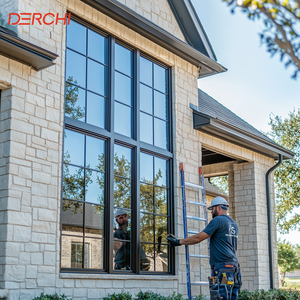
Premium crank-out thermal break casement window featuring decorative grills, multi-point locking hardware, and high-performance dual-pane insulating glass.
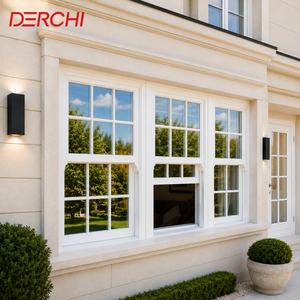
Architectural vertical sliding sash window combining classic American aesthetics with modern thermal insulation, spiral balances, and double sealing.
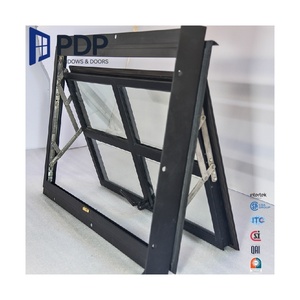
Custom radius arched top window with thermal break aluminum profile, tinted solar-control glass, and top-hinged hopper/awning ventilation.
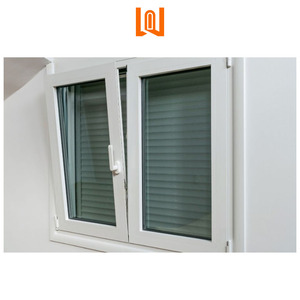
Dual-action European mechanism providing micro-ventilation in tilt mode and full swing access in turn mode. Built from 100% virgin vinyl extrusions.
Heavy-duty commercial window profile designed for high wind-load capacity, structural water tightness, and seamless architectural curtain wall integration.
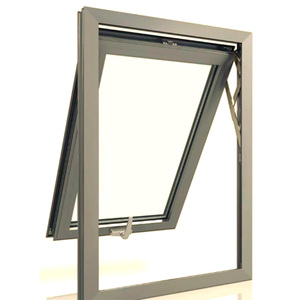
Innovative fenestration system integrating motorized external louvers with high-thermal casement windows for optimal shading and privacy control.
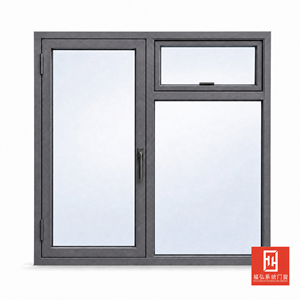
Custom-sized combination window designed specifically for luxury residential bathrooms and high-humidity spaces requiring flexible dual-mode ventilation.
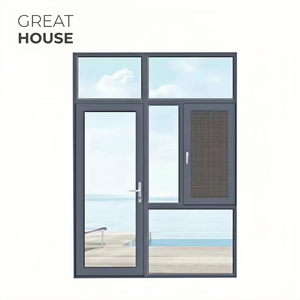
Multi-purpose thermal break hopper window unit engineered for hotel entryways, basement egress, and farmhouse utility ventilation openings.
Understanding the exact thermodynamic behavior of window frame materials is essential for specifying building envelope systems. The table below presents verified comparative data on thermal performance, structural load capacity, and acoustical insulation across core manufacturing profiles.
| Performance Parameter | Thermal Break Aluminum (PA66) | Fusion-Welded Virgin Vinyl | Standard Non-Thermal Aluminum |
|---|---|---|---|
| U-Factor Rating (BTU/h·ft²·°F) | 0.20 – 0.26 (Excellent) | 0.18 – 0.24 (Superior) | 0.55 – 0.80 (Poor / Non-Compliant) |
| Solar Heat Gain Coefficient (SHGC) | 0.18 – 0.30 (Customizable) | 0.20 – 0.35 (Low-E Optimized) | 0.50 – 0.70 (High Heat Gain) |
| Structural Design Pressure (DP) | DP 50 – DP 90 (High-Rise Ready) | DP 35 – DP 50 (Low-Mid Rise) | DP 30 – DP 40 (Basic) |
| Acoustic Isolation (STC Rating) | 38 – 45 dB (Triple Glazed) | 34 – 40 dB (Dual Glazed) | 26 – 30 dB (Uninsulated) |
| Thermal Expansion Coeff. | 2.3 x 10⁻⁵ /K (Extremely Stable) | 6.0 x 10⁻⁵ /K (Requires Expansion Joints) | 2.3 x 10⁻⁵ /K (No Thermal Barrier) |
| Expected Service Life | 40+ Years (PVDF / Anodized) | 30+ Years (UV-Stabilized) | 15 – 20 Years (Thermal Degradation) |
*Note: Ratings based on NFRC and AAMA standardized test conditions using 28mm Insulating Glass Units (6mm Low-E + 16mm Argon + 6mm Clear).
Global fenestration procurement is entering a era dominated by carbon metrics, advanced material science, and supply chain consolidation. When sourcing thermal windows from China, real estate developers, building contractors, and trade distributors must prepare for four critical technological and operational shifts:
International green building standards (LEED v4.1, BREEAM, Net-Zero Energy Buildings) now evaluate fenestration not just on operational energy savings (U-factor), but also on Embodied Carbon. Future procurement schedules require Environmental Product Declarations (EPDs). Leading Chinese manufacturers are transitioning to hydro-powered primary aluminum smelting and recycled virgin vinyl extrusions, reducing initial carbon footprints by over 40%.
The distinction between solar shading and window glass is disappearing. Commercial buyers are increasingly specifying dynamic electrochromic glass (ECG) and Building-Integrated Photovoltaic (BIPV) spandrels. These systems automatically adjust glass tint based on solar angle and ambient radiation, eliminating the need for mechanical blinds while generating clean electricity directly from the building facade.
On-site labor shortages in North America, Western Europe, and Australia are driving demand for factory-assembled, unitized thermal window wall systems. Procurement is shifting away from stick-built field assembly to pre-glazed, pre-sealed modular window units shipped in specialized steel A-frames, cutting jobsite installation time by up to 60%.
Architectural buyers now demand 3D BIM (Building Information Modeling) Revit files containing detailed thermal conductivity parameters for every custom window call-size. Leading Chinese exporters provide digital twin modeling, allowing structural engineers to run real-time CFD thermal simulations prior to containerized ocean freight shipment.
The core of any thermal window lies in its structural thermal break. Uninsulated metal profiles act as thermal conductors, rapidly transferring outdoor heat or freezing temperatures into the interior space. Modern Chinese manufacturing processes have advanced to solve this thermodynamic challenge through three key innovations:
Vertical Integration, Precision Engineering, and Uncompromised Quality Assurance for Export Markets.
We own and control the entire manufacturing chain under one roof—from raw aluminum billet extrusion and anodizing to fusion welding, IGU glass fabrication, and automated assembly.
Our window profiles meet stringent international building standards including California Title 24 energy performance, NFRC thermal ratings, Florida High-Velocity Hurricane Zone (HVHZ), and CE safety norms.
Every single unit undergoes rigorous pressure chamber testing for air infiltration, water tightness under wind loads up to 700 Pa, and 100% squareness verification before crating.
Eliminate field trim delays. Every window is fabricated to exact architectural schedule dimensions, matching existing rough openings without needing extra filler profiles.
Products are protected with PE anti-scratch film, corner guards, heavy-duty foam wrapping, and fully enclosed IPPC-certified fumigation-free wooden crates for safe ocean freight.
Complete flexibility in frame finishes (Anodized, PVDF, Powder Coated, Wood Grain), custom grill patterns, obscure privacy glass, and hardware colors.
Essential guidance for overseas buyers, procurement officers, and construction managers.
Submit your architectural drawings or window schedule. Our senior fenestration engineers will provide line-by-line thermal specifications, U-factor verification, and competitive FOB/CIF quotation within 24 hours.
Send an Inquiry