Sales: (323) 726-2885 [email protected] Mon–Fri 9:00–17:00 PST
0%

Vinyl Picture Windows are changing how homeowners frame daylight, views, and energy performance. Unlike operable windows, they use fixed glass without moving sashes. That design can reduce air leakage and simplify maintenance. It can also limit emergency ventilation. Small details matter.

The U.S. Department of Energy reports that windows can account for roughly 25% to 30% of residential heating and cooling energy use. ENERGY STAR guidance also emphasizes climate, glass coatings, frame quality, and professional installation. These factors make a window choice more complicated than comparing prices. Grand View Research’s vinyl windows market analysis identifies replacement demand, energy efficiency, and durable materials as major market drivers. However, market growth does not guarantee that every product suits every wall opening.

Building scientist Dr. Joseph Lstiburek has often described a window simply: “A window is a hole in the wall.” That blunt observation remains useful. The frame, flashing, glazing, and surrounding insulation determine whether that opening performs well. This guide examines the top 10 types of Vinyl Picture Windows to buy, including standard fixed units, large-format designs, energy-efficient glazing, and custom architectural options. It considers visible light, U-factor, solar heat gain coefficient, frame strength, warranty terms, and installation conditions. The ranking is practical, not absolute. A premium window can disappoint when installed poorly. A modest model may perform better in the right climate. That is easy to overlook. Expect useful comparisons, but keep measuring your own room, exposure, budget, and ventilation needs.
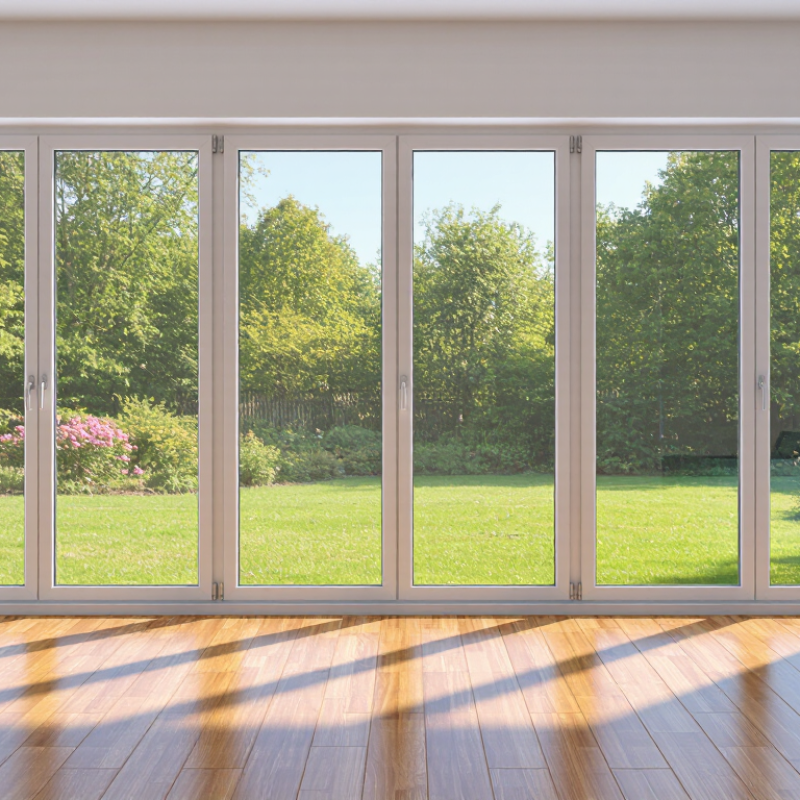
Top 10 Types of Vinyl Picture Windows to Buy?

Define Vinyl Picture Windows and Their Fixed-Glazing Construction

Vinyl picture windows are large, non-opening windows designed to bring in daylight and frame an outdoor view. Their vinyl frames use durable PVC, which resists moisture, peeling, and routine repainting. Unlike casement or sliding windows, picture windows have no operating sash or ventilation hardware. They are fixed by design.

The fixed-glazing construction is straightforward. A sealed glass unit sits inside the vinyl frame, usually with insulating spacers and one or more glass panes. The frame holds the glass firmly, while perimeter seals help limit air and water movement. Double glazing often improves comfort, but triple glazing may suit colder climates. Low-emissivity coatings can also reduce heat transfer and fading.

In real homes, installation quality matters as much as the window itself. A poorly leveled frame may create pressure points, leaks, or difficult trim work. I have seen beautiful large windows lose performance because the surrounding opening was not prepared carefully. That detail is easy to underestimate. Since the window cannot open, pair it with operable units when fresh air is needed. Check room ventilation, glass safety, frame depth, drainage, and local building requirements before buying. A fixed picture window can be simple, but the right glass and installation conditions are not always simple.

Classify 10 Vinyl Picture Window Types by Shape, Size, and Configuration

Vinyl picture windows create broad, uninterrupted views because their sashes do not open. Their differences usually come from shape, size, and configuration. A square picture window suits compact rooms. A horizontal rectangle works well above a sofa or kitchen counter. A wide picture window can frame a garden, while a tall unit emphasizes trees and ceiling height. Oversized glass also increases heat gain and installation weight, so wall structure matters.

A transom picture window is a narrow horizontal shape placed above another window or door. An arched-top design softens rooms with traditional architecture. Round and octagonal windows add stronger visual character, although custom shapes usually cost more. A trapezoid picture window can follow a sloped roofline. It looks distinctive, but accurate measuring is essential. Small mistakes become obvious around angled frames.

Configuration changes performance and appearance. A single fixed unit offers the clearest view and simplest maintenance. A twin configuration joins two equal panels for extra width. A triple configuration creates a larger glass wall with more vertical frame lines. A mulled combination can pair a fixed center with operable side windows for ventilation. Check the frame reinforcement, glazing thickness, drainage design, and certified energy ratings. I have seen homeowners choose the largest possible window, then regret the glare and difficult cleaning. A smaller, carefully positioned unit may perform better. Rough-opening measurements should be verified on site, not copied from an old plan.

Compare NFRC U-Factor, SHGC, VT, and Air-Leakage Ratings

Top 10 Types of Vinyl Picture Windows to Buy?

Compare NFRC U-Factor, SHGC, VT, and Air-Leakage Ratings

Vinyl picture windows come in many forms: fixed rectangular, square, oversized, panoramic, transom, arched, half-round, trapezoid, octagonal, and multi-lite designs. The shape attracts attention, but the NFRC label deserves closer inspection. The U.S. Department of Energy reports that windows can account for 25–30% of household heating and cooling energy use. That makes the glass package important, especially in large openings.

U-Factor U-Factor measures heat transfer. Lower numbers generally indicate better insulation.

SHGC SHGC shows how much solar heat enters through the window.

VT VT measures visible light transmission.

Air leakage Air leakage is reported in cubic feet per minute per square foot. Lower is better.

A lower value can help in hot, sunny rooms, while a higher value may benefit cold climates. Higher VT can brighten a hallway, although glare may become uncomfortable near pale floors or screens. NFRC testing provides a useful comparison, but ratings should match local climate and orientation.

Do not select a window by U-Factor alone. A low U-Factor with poor installation can still produce a chilly perimeter. DOE guidance also emphasizes proper flashing, sealing, and installation.

Check the whole-unit rating, not only the center-of-glass performance. I have found this easy to overlook. Another honest limitation: manufacturer-tested values may not reflect every jobsite condition. Compare similar sizes, glazing layers, and frame designs, then inspect the installer’s method. Bigger glass often changes the result.

Match Frame, Glass, and Climate-Zone Features Using DOE Guidance

Top 10 Types of Vinyl Picture Windows to Buy?

Choosing a vinyl picture window starts with climate, not appearance. The U.S. Department of Energy reports that windows can cause 25–30% of household heating and cooling energy use. Fixed windows usually reduce air leakage because they have no moving sash. Double-pane insulated glass fits many moderate climates, while triple-pane glass can improve comfort in colder zones. Low-emissivity coatings and argon filling may reduce heat transfer, but performance depends on installation quality.

Check the NFRC label before comparing frames. It lists U-factor, solar heat gain coefficient, visible transmittance, and air leakage ratings. Lower U-factor generally suits cold regions. Lower SHGC helps limit summer heat in warmer zones. In mixed climates, a moderate SHGC may balance winter sunlight and summer cooling. DOE climate-zone guidance also supports choosing orientation-specific glass; south-facing windows may need different solar control than shaded north-facing windows. Small detail. Big effect.

Frame width, reinforcement, and drainage design matter for oversized picture windows. A narrow vinyl frame increases glass area, but may flex under wind pressure. Laminated glass can improve safety and reduce outdoor noise, while tinted glass may reduce daylight. Do not assume triple glazing is always best. It can add weight, cost, and installation demands. DOE guidance is useful, yet local exposure, wall insulation, and installer experience can change the practical result. My own buying mistake would be comparing only center-glass ratings instead of the complete window assembly.

Evaluate Installation, Safety Glazing, Warranty, and Long-Term Value

Top 10 Types of Vinyl Picture Windows to Buy?

The best vinyl picture window is not always the largest one. Common choices include fixed rectangular, arched, round-top, triangular, trapezoid, octagonal, corner, transom, mulled, and oversized designs. Each shape changes the installation difficulty and structural requirements. A wide unit may need reinforced framing, careful leveling, and temporary support during fitting. Poor installation can cause air leaks, water entry, or difficult operation in nearby windows. Measure the rough opening twice. Small errors become expensive quickly.

Safety glazing deserves equal attention. Use tempered or laminated glass where local building rules require it, especially near doors, floors, stairs, and bathing areas. Ask the installer to explain glass thickness, solar-control options, and impact resistance. Warranty terms need close reading. Check coverage for the frame, seal failure, glass, labor, and transfer to a future homeowner. Some warranties sound generous but exclude installation problems. That detail matters. Long-term value depends on energy performance, drainage, maintenance, and repair access, not appearance alone. I used to favor dramatic oversized glass, but heat gain and replacement costs changed my view.

Tips:

  • Request a written installation scope.
  • Confirm flashing and sill drainage.
  • Compare certified performance ratings.
  • Keep invoices and warranty documents.
  • Inspect the frame after heavy rain.
  • Condensation is a warning, not decoration.
  • Expect modest imperfections in color or alignment, but never ignore drafts, staining, or cracked glazing. A careful installer should welcome questions and explain limitations plainly.

FAQS

What is a vinyl picture window?

It is a large, fixed window designed for daylight and outdoor views. The vinyl frame resists moisture, peeling, and frequent repainting. It stays closed.

Can a vinyl picture window provide ventilation?

No, its glass panel does not open. Pair it with an operable window or door when fresh air is necessary. Check the room’s ventilation needs before buying.

Which glass options improve comfort?

Double glazing can reduce indoor temperature changes. Triple glazing may suit colder climates. Low-emissivity coatings can limit heat transfer and fading. The right option depends on climate and window placement.

What shapes and configurations are available?

Common shapes include rectangles, arches, circles, octagons, triangles, and trapezoids. Transom designs sit above doors or other windows. Twin and triple units create wider views with additional frame lines. Custom shapes usually require more accurate measuring.

How should the window size be selected?

The largest window is not always the best choice. Oversized glass can increase glare, heat gain, weight, and cleaning difficulty. A smaller unit may frame a garden more comfortably. Wall structure must support the selected size.

What installation details deserve attention?

Verify the rough opening on site, even when old plans seem reliable. The frame should be level and properly supported during fitting. Confirm flashing, sill drainage, frame depth, and surrounding structure. Small measuring errors become expensive quickly.

When is safety glazing important?

Tempered or laminated glass may be required near doors, floors, stairs, or bathing areas. Ask about glass thickness and impact resistance. Local building requirements should guide the final selection. Safety details are easy to overlook.

What should a warranty and inspection include?

Review coverage for the frame, glass, seal failure, labor, and future transfer. Some warranties exclude installation problems. Keep invoices and warranty documents. After heavy rain, inspect for drafts, staining, or condensation. Condensation is a warning.

Conclusion

Vinyl Picture Windows are fixed-glazing units designed to provide wide, unobstructed views, abundant natural light, and dependable weather protection without operable sashes. This guide explains their construction and classifies ten practical types by shape, including rectangular, square, arched, circular, trapezoid, bay-style combinations, oversized configurations, and custom geometric designs. It also considers how different sizes and multi-window arrangements affect appearance, ventilation planning, structural requirements, and room comfort.

When choosing Vinyl Picture Windows, compare NFRC ratings such as U-factor, SHGC, visible transmittance, and air leakage to understand insulation, solar heat gain, daylight, and sealing performance. DOE climate-zone guidance can help match frame materials, glazing packages, coatings, and gas fills to local conditions. Finally, evaluate professional installation, proper support, safety glazing where required, drainage and flashing details, warranty coverage, maintenance needs, and expected service life. The best choice balances aesthetics, energy efficiency, safety, durability, and long-term value rather than focusing only on the initial purchase price.


Elodie

Elodie

Elodie is a dedicated marketing professional with a deep understanding of the company’s products, services, and evolving market landscape. With a strong background in strategic communication, customer research, and content development, she transforms complex product information into clear,......