Choosing the right XOX Sliding Windows starts with understanding how the design balances fixed glass, ventilation, daylight, and frame performance. In an XOX configuration, the two operable panels usually flank a central fixed panel, although manufacturers may reverse the arrangement. That small difference affects airflow, cleaning access, sightlines, and hardware placement.
The U.S. Department of Energy reports that windows can influence roughly 25% to 30% of residential heating and cooling energy use. This makes glass selection more important than appearance alone. Low-emissivity coatings, insulated glazing, warm-edge spacers, and properly sealed frames can reduce unwanted heat transfer. However, performance depends on the complete window assembly, not one impressive feature.
NFRC rating data offers a practical comparison method. U-factor measures heat flow, while Solar Heat Gain Coefficient indicates how much solar heat enters a room. Air leakage ratings also matter, especially in windy or humid regions. ENERGY STAR guidance supports using climate-appropriate window specifications rather than choosing identical products nationwide. That advice is easy to overlook.
This overview examines the top types of XOX Sliding Windows, including vinyl, aluminum, fiberglass, and hybrid-frame models. It also considers double-pane and triple-pane glass, opening mechanisms, security hardware, maintenance demands, and installation quality. Market reports often emphasize product growth, but real performance still depends on accurate measuring and professional installation. A beautiful window can underperform.
The best choice is rarely universal. Room orientation, wall depth, weather exposure, budget, and cleaning access all deserve attention. Some recommendations may need reconsideration after site inspection. That is the practical part.
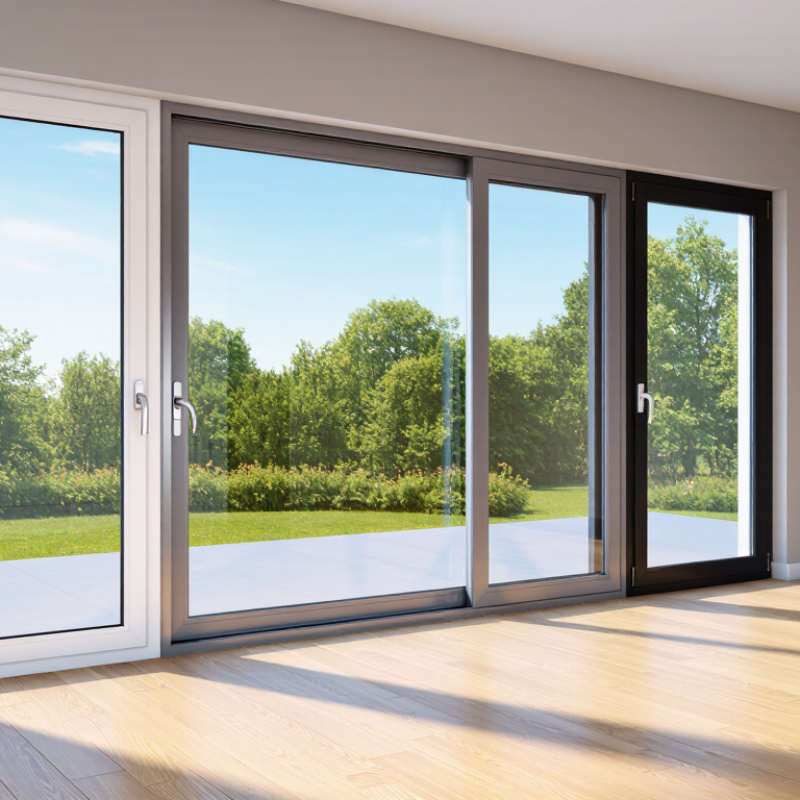
What Are the Top Types of XOX Sliding Windows?
An XOX sliding window has two operable sashes and one fixed center panel. The two outer sashes move horizontally along separate tracks. The center panel remains stationary. This design brings ventilation from both sides while preserving a broad, uninterrupted view through the middle.
The most common type uses two single-sliding sashes. Each sash moves toward the center, making cleaning and airflow control relatively simple. Another option uses lift-out sashes, which can be removed for easier maintenance. Some systems include removable screens outside the moving panels. This arrangement works well in bedrooms, living rooms, and wide openings facing patios.
Material also affects performance. Vinyl frames usually offer low maintenance and consistent insulation. Aluminum frames provide slimmer sightlines but may transfer more heat without thermal breaks. Fiberglass can resist warping through seasonal changes. A qualified installer should check the opening, sill slope, drainage path, and track alignment before installation. Even a small measuring mistake can cause sticking or uneven locks. I have seen homeowners focus on glass size and overlook the sill. That choice sometimes creates water problems later. XOX windows also need enough wall clearance for both sashes to move fully. Furniture placement matters more than many people expect.
| XOX Window Type | Operating Arrangement | Typical Overall Width | Typical Overall Height | Approximate Clear Opening | Ventilation Potential | Main Advantages | Best-Fit Applications |
|---|---|---|---|---|---|---|---|
| Standard Horizontal XOX Slider | Left and right sashes slide horizontally; the center panel remains fixed. | 1.8–3.6 m (6–12 ft) |
0.9–2.1 m (3–7 ft) |
About 25–35% of the total window area, depending on sash overlap and frame size. | Moderate; one or both operable sashes can be opened. | Simple operation, space-saving movement, and generally lower hardware complexity. | Living rooms, bedrooms, renovations, and openings where swing clearance is limited. |
| Wide-Span XOX Slider | Two operable outer sashes slide past the fixed center panel on parallel tracks. | 3.0–5.5 m (10–18 ft) |
1.2–2.4 m (4–8 ft) |
About 20–30% of the total window area, because wider frames and meeting rails reduce the clear passage. | Moderate to high, subject to sash size, screen placement, and local wind conditions. | Broad views, strong daylight access, and no interior swing area. | Large living areas, dining spaces, sunrooms, and low-rise architectural openings. |
| Lift-and-Slide XOX Window | Operable sashes lift slightly from their seals before sliding; the center panel is fixed. | 2.4–6.0 m (8–20 ft) |
1.8–2.7 m (6–9 ft) |
About 25–35% of the total window area, depending on the track and panel design. | High for a sliding system, with large panels capable of providing substantial ventilation. | Smooth movement for heavier panels, large glazed areas, and improved compression when closed. | Premium residential projects, wide exterior openings, and indoor–outdoor connections. |
| Thermally Improved XOX Slider | Two horizontal operable sashes and one fixed panel, using insulated frames and sealed glazing. | 1.8–4.8 m (6–16 ft) |
0.9–2.4 m (3–8 ft) |
About 20–35% of the total window area, based on frame depth and panel overlap. | Moderate; ventilation is similar to a standard slider, while thermal performance can be improved. | Reduced heat transfer, better interior comfort, and compatibility with low-emissivity insulating glass. | Energy-conscious homes and buildings in regions with significant heating or cooling loads. |
| Security-Focused XOX Slider | Two operable sashes slide horizontally around a fixed center panel and include enhanced locking components. | 1.8–4.2 m (6–14 ft) |
0.9–2.1 m (3–7 ft) |
About 20–30% of the total window area, depending on frame and lock design. | Moderate; opening size remains limited by the sliding travel of each sash. | Multi-point locking options, stronger interlocks, and compatibility with laminated or impact-resistant glazing. | Ground-floor rooms, exposed elevations, coastal areas, and projects with increased security requirements. |
It has two sliding side panels and one fixed center panel. Both side panels open for airflow. The center panel stays still. This creates a wide view without outward swing space.
Narrow frames provide cleaner sightlines and more glass area. They can bring more daylight into a room. A kitchen window might frame a garden clearly. Appearance alone is not enough.
No. Energy performance depends on the glass, frame, seals, orientation, and installation. Thermal breaks reduce heat transfer through aluminum frames. Poor installation can weaken an otherwise strong design.
Insulated glazing can reduce heat movement through the window. Low-emissivity glass may improve comfort near the glass surface. Warm-edge spacers can limit edge heat loss. The complete assembly matters more than one feature.
Consider a U-factor of 0.30 or lower. A lower U-factor usually improves winter comfort. Consider an SHGC of 0.23 or lower in sunny conditions. Lower SHGC can reduce summer cooling demand.
Not always. Low SHGC limits solar heat entering the room. That helps in strong sun. Colder regions may benefit from useful winter sunlight. Climate and window direction must be considered together.
Properly finished aluminum resists warping, insects, and moisture. The rollers and tracks still need regular cleaning. Beach air and dusty roads require extra attention. Durable does not mean maintenance-free.
Check frame joints, drainage paths, and seal compression. Inspect shims and the rough opening for gaps. Uninsulated gaps can reduce real-world performance. I would also review air leakage and condensation resistance. Small gaps matter.
XOX Sliding Windows are designed with two operable sashes on the outside and a fixed center panel, creating a practical balance of ventilation, daylight, and architectural symmetry. This configuration can be adapted to different materials, allowing homeowners to select performance and appearance features that fit their project. Vinyl frames offer low maintenance, reliable weather resistance, and measurable energy performance through NFRC-rated U-factors. Aluminum frames provide narrow sightlines, durability, and a modern appearance, while improved thermal designs help reduce heat transfer.
Fiberglass and wood-clad options combine structural strength with insulation and broader design flexibility. When comparing XOX Sliding Windows, energy performance should be a central consideration. Products meeting ENERGY STAR-style benchmarks, including a U-factor of 0.30 or lower and a solar heat gain coefficient (SHGC) of 0.23 or lower, can help support more comfortable indoor temperatures and improved efficiency. The best choice depends on climate, frame material, operating needs, and the desired balance of style, durability, and long-term maintenance.