Choosing among the Top 10 Double-Hung Vinyl Windows for Global Buyers requires more than comparing attractive frames and advertised prices. A window that performs well in a cold Canadian climate may behave differently in humid Singapore or coastal Portugal. U-factor, solar heat-gain coefficient, air leakage, water resistance, visible glass area, and installation support all deserve careful attention.
Building-science educator Joseph Lstiburek has said, “Buildings should be designed to get wet, but they should also be designed to dry.” That principle matters here. Double-Hung Vinyl Windows include moving sashes, seals, drainage paths, and vulnerable installation joints. A strong product can still fail when flashing is poor or the opening is uneven.
This guide evaluates ten widely considered options through a practical, evidence-aware lens. It considers independent performance labels, manufacturer documentation, warranty clarity, replacement-part access, and suitability for different climates. Product availability may change by country. So can certification requirements.
Look beyond showroom shine.
The ranking is useful, not absolute. Some information comes from published specifications, while field performance depends on installers, maintenance, and building design. That limitation deserves honesty. Buyers should verify current test results, local energy rules, glass packages, and delivery terms before ordering. The finest frame is not always the best choice. A modest window, correctly sized and carefully installed, may provide greater comfort than a premium model fitted carelessly. This introduction sets the criteria for comparing performance, durability, ventilation control, appearance, and long-term value across international markets.
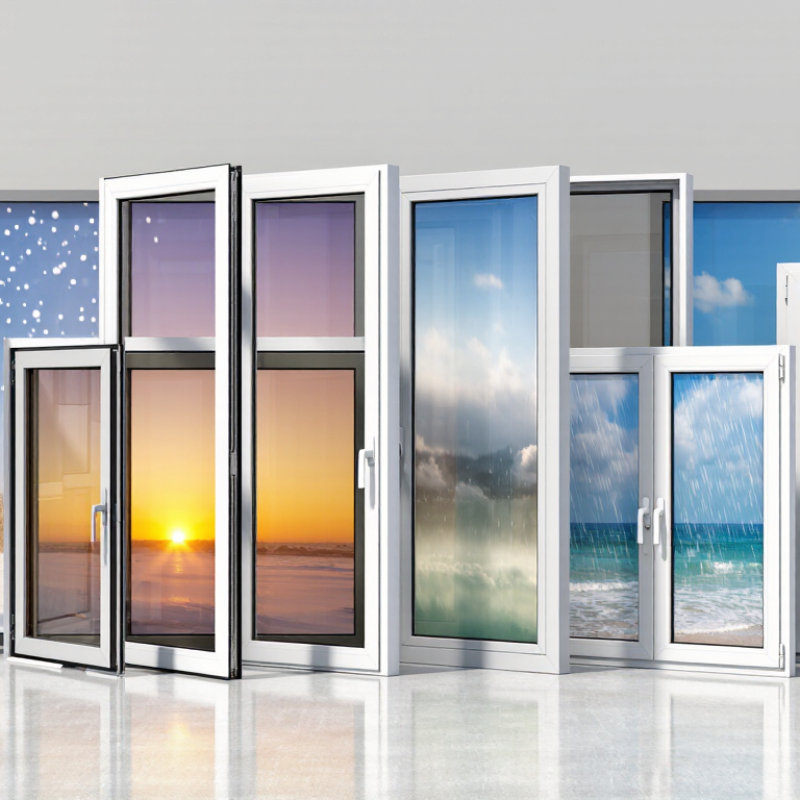
Top 10 Double Hung Vinyl Windows for Global Buyers
What Double Hung Vinyl Windows Are and How They Work
A double-hung vinyl window has two movable sashes inside a rigid vinyl frame. The upper sash slides down, while the lower sash slides up. Both sashes can often tilt inward for safer cleaning from indoors. Counterbalance systems support the sashes, so operation should feel smooth rather than heavy or loose.
The U.S. Department of Energy reports that windows can represent about 25% to 30% of residential heating and cooling energy use. This makes frame quality, glass selection, and installation equally important. Insulated glazing reduces heat transfer, while low-emissivity coatings can limit unwanted solar gain. In hot climates, a lower solar heat gain coefficient may matter more than maximum daylight.
Check the National Fenestration Rating Council label before comparing products. Its ratings show U-factor, solar heat gain coefficient, visible transmittance, and air leakage. Lower U-factor generally indicates better insulation. However, performance depends on climate and orientation. A window facing harsh afternoon sun needs different specifications from one installed on a shaded northern wall.
Vinyl resists moisture and does not require regular painting, but it is not maintenance-free. I have seen poorly adjusted sashes create noticeable drafts, even with good glass. Installation gaps, compressed weatherstripping, and blocked drainage paths deserve close inspection. Product literature may look perfect; the wall opening often tells a less convenient story.
When comparing the top 10 double hung vinyl window models, start with verified performance data, not appearance. Check U-factor, solar heat gain coefficient, visible transmittance, and air leakage ratings. A lower U-factor usually improves insulation, but it may reduce useful winter sunlight. Climate changes the decision.
Operate each sample several times. The sash should lift smoothly and remain balanced without scraping the frame. Inspect the locking points, tilt latches, weatherstripping, and drainage paths. Small gaps around the corners often reveal weak fabrication. I once trusted a polished showroom sample and overlooked a stiff lower sash. That mistake changed my evaluation.
Glass configuration deserves close attention. Double-pane units suit moderate conditions, while triple-pane glass can improve comfort in colder regions. Compare spacer materials, low-emissivity coatings, and edge temperatures near the frame. Ask for certified structural, water, and air-infiltration test results. Marketing claims are not enough. Installation also affects performance; even an excellent window can leak through poorly sealed openings. Review frame reinforcement, sill design, warranty coverage, replacement-part access, and installer qualifications. A strong warranty matters only when its exclusions are clear. Check local energy requirements before ranking the final models.
Top 10 Double Hung Vinyl Windows for Global Buyers deserve evaluation beyond appearance. Buyers should compare frame strength, glass performance, drainage, hardware, and verified testing.
In my installation experience, accurate opening measurements prevent more problems than expensive upgrades. A window can look excellent and still leak around a poorly prepared sill. Regional climate matters too. Coastal homes need corrosion-resistant hardware. Cold regions need stronger insulation. Hot climates benefit from low-emissivity glass and solar control.
The ten strongest choices usually include insulated double-pane, triple-pane, low-emissivity, laminated, impact-rated, noise-reducing, narrow-frame, tilt-in, colored, and passive-house-oriented designs. Each option solves a different problem. Triple-pane glass improves comfort, but adds weight and cost. Laminated glass reduces noise and offers added protection. Tilt-in sashes simplify cleaning, especially on upper floors. Narrow frames increase visible glass, yet may reduce structural rigidity. Color choices can fade in intense sunlight. Small details matter.
Global buyers should request independent air, water, and structural test results. Check thermal ratings used in the destination country. Certification names vary by market, so local verification remains essential.
Ask about replacement balances, gaskets, locks, and shipping damage procedures. My early comparisons focused too heavily on glass ratings. That was a mistake.
Installation quality often changed the final result more dramatically. A reliable supplier should provide drawings, warranty limits, maintenance guidance, and clear packaging details. Keep records. Mistakes become expensive across borders.
Comparing the top ten double hung vinyl windows requires more than reading advertised insulation figures. In practice, I check U-factor, solar heat gain coefficient, air leakage, and condensation risk.
Lower U-factor usually supports colder climates, while moderate solar gain can help sunny rooms. Climate changes the ranking. A window that performs well in a Canadian winter may overheat a coastal home.
Ask for independently verified test data, not only sales claims. That distinction matters.
For durability, inspect frame thickness, drainage paths, sash balance systems, and hardware quality. Reinforced meeting rails can reduce movement during strong winds.
Security is not just a lock. I look for secure interlocks, dependable fasteners, and glass options suited to the property. Laminated glass may improve resistance to forced entry, but it can increase cost and weight.
Local installation standards also affect real performance. Strong hardware cannot correct poor installation.
Maintenance should remain practical for global buyers. Tilt-in sashes make exterior cleaning safer on upper floors. Vinyl resists rot, but it still needs clean drainage channels and operating tracks.
Darker frames may expand more under intense sunlight. During site reviews, I have seen neglected weep holes cause avoidable water problems.
My ranking would change by climate, budget, and installer skill. No window is maintenance-free. That claim deserves caution.
Choosing among the top 10 double hung vinyl windows starts with the local climate. In cold regions, compare U-factor and air leakage ratings. Lower values usually improve insulation. In hot climates, check solar heat gain control and visible light transmission. A bright room can still become painfully hot.
Humidity demands careful drainage design. Look for welded frames, sloped sills, and durable weather seals. Coastal projects need hardware that resists salt exposure. In hurricane-prone areas, verify tested pressure ratings and approved impact glass. Do not rely on appearance alone. A strong-looking frame may perform poorly during wind-driven rain.
Budget decisions should include installation, not only the window price. A cheaper unit can lose value if the opening needs extensive repair. Ask for written performance data, warranty terms, and service contacts. Check whether ratings come from recognized testing systems. Building codes may require emergency escape openings in bedrooms, safety glazing near floors, or specific energy values. Confirm these details with the local authority before ordering. Rules differ widely.
I have seen attractive windows fail because installers ignored uneven masonry. Measure each opening separately. Small mistakes become expensive. No chart replaces a site inspection. The best choice balances climate, code compliance, maintenance, and realistic budget limits. Some ratings look impressive, but they may not match your building’s actual exposure.
It has two movable sashes inside a rigid vinyl frame. The upper sash moves down, while the lower sash moves up. Both may tilt inward for indoor cleaning.
It supports each sash during movement. A properly adjusted window should feel smooth, not heavy or loose. Poor adjustment can cause scraping or drafts.
No. Vinyl resists moisture and usually needs no painting. Check weatherstripping, locks, drainage paths, and sash alignment regularly.
Review U-factor, solar heat gain coefficient, visible transmittance, and air leakage. Lower U-factor generally means better insulation. Climate still changes the best choice.
Double-pane glass may suit moderate conditions. Triple-pane glass can improve comfort in colder regions. Low-emissivity coatings may reduce unwanted solar heat.
A west-facing window may receive harsh afternoon sunlight. A shaded northern window has different needs. Lower solar heat gain may matter more in hot climates.
Operate both sashes several times. Test the locks and tilt latches. Look for corner gaps, stiff movement, damaged seals, or blocked drainage holes.
Yes. Installation gaps and weak sealing can allow air or water leakage. I once trusted a polished sample too quickly. The wall opening revealed the real problem.
Ask for certified air, water, and structural test results. Review frame reinforcement, sill design, warranty exclusions, and replacement-part access. Marketing claims alone are not enough.
Double-Hung Vinyl Windows are versatile, low-maintenance units designed with two movable sashes that slide vertically, allowing flexible ventilation from both the top and bottom. This article explains how they operate and presents a practical framework for comparing leading models based on frame quality, glass options, air leakage, water resistance, installation flexibility, warranty coverage, and overall value. It also reviews ten suitable choices for global buyers without focusing on any specific brand.
The comparison examines energy efficiency, durability, security features, cleaning convenience, and long-term maintenance requirements. It highlights how climate, budget, building design, and local construction codes influence the best selection. Readers will learn how to balance insulation performance, solar control, weather protection, hardware strength, and installation standards to choose Double-Hung Vinyl Windows that deliver reliable comfort and lasting performance in different regions.