Sales: (323) 726-2885 [email protected] Mon–Fri 9:00–17:00 PST
0%

Choosing China Top Vinyl Replacement Windows requires more than comparing catalog prices. A polished showroom sample can hide weak seals, uneven welds, or fragile hardware. This guide examines the details that matter during real projects. We will consider frame profiles, glass packages, drainage design, thermal performance, and installation support. Vinyl Replacement Windows should fit the building, climate, and replacement plan. A coastal home needs different protection from a dry inland apartment.

Reliable evaluation begins with verifiable evidence. Ask manufacturers for test reports covering air leakage, water resistance, wind pressure, and insulation values. Check whether the reports match the exact window series, not a similar model. Review factory photos, production records, quality procedures, and export experience. Speaking with previous customers can reveal practical problems, such as delayed replacement parts or unclear warranty terms. Small details matter. A loose handle is not a small issue after installation.

This overview also compares material quality, glass options, certifications, customization, packaging, and after-sales service. Experienced buyers should inspect corner joints, gasket compression, drainage holes, and protective film. A good supplier explains limitations clearly instead of promising perfect performance. No shortlist is perfect. Product data may be incomplete, and installation conditions can change results. That is why independent inspection and sample testing remain valuable. The strongest choice balances price, durability, technical support, and communication. It should perform reliably after the delivery truck leaves, not only during a factory visit.
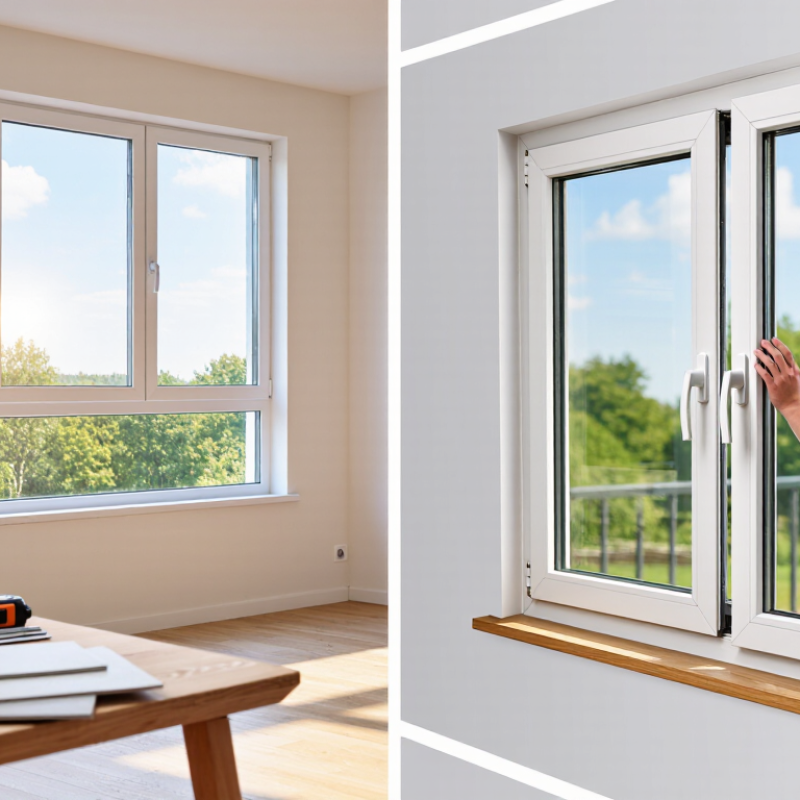
How to Choose China Top Vinyl Replacement Windows?

Understanding Vinyl Replacement Window Types and Performance Ratings

How to Choose China Top Vinyl Replacement Windows?

Understanding window types and performance ratings matters more than attractive showroom samples. Double-hung windows suit bedrooms because both sashes move for ventilation and cleaning. Sliding windows open horizontally and work well beside counters or low walls. Casement windows usually seal tightly because their sashes press against the frame. Picture windows provide wide views, but they do not open for fresh air. Awkward spaces may need a combination of fixed and operating units.

Read the performance label carefully. U-factor measures heat transfer, so lower numbers generally improve insulation. Solar Heat Gain Coefficient shows how much sunlight becomes indoor heat. A lower value can help warm climates, while colder regions may benefit from moderate solar gain. Visible Transmittance indicates daylight levels. Air leakage ratings matter around windy exposures. Design pressure ratings should match local weather and building height.

Measurements must be taken from several points, not one convenient corner. Older openings are rarely perfectly square. That small flaw can cause drafts, sticking, or uneven sightlines after installation. Professional installers should check the sill, flashing, drainage path, and surrounding wall condition. A high-rated window cannot correct poor fitting. It is also worth comparing frame thickness, reinforcement, glazing layers, spacer materials, and warranty terms. Ratings are useful, but they are not magic. Local climate, room orientation, shading, and installation quality still require practical judgment.

How to Choose China Top Vinyl Replacement Windows?

Understanding Vinyl Replacement Window Types and Performance Ratings

This chart compares representative U-factor values for common vinyl replacement window types. U-factor measures heat transfer through the window; a lower value generally indicates better insulating performance. Casement and fixed windows typically achieve lower U-factors because their compression seals or non-operable designs reduce air leakage. Actual certified ratings vary with glazing, frame design, spacer systems, size, and climate requirements.

Assessing Frame Quality, Glass Options, and Energy Efficiency

How to Choose China Top Vinyl Replacement Windows?

Frame quality affects comfort, durability, and installation accuracy. Look for multi-chamber vinyl profiles with consistent wall thickness and reinforced locking areas. Weak corners may flex when the sash closes. That small movement can cause air leakage and water problems.

The U.S. Department of Energy estimates that windows may account for 25–30% of residential heating and cooling energy use.

Therefore, frame performance deserves more attention than surface appearance. Ask for thermal transmittance data tested under recognized standards, including China’s GB/T 8484 where applicable. I would not trust vague claims such as “premium insulation” without test evidence.

Glass selection should match the local climate. Low-emissivity coatings reduce radiant heat transfer, while argon-filled double glazing improves insulation. Triple glazing can perform better, but it also adds weight and cost. Check the U-factor and solar heat gain coefficient on an NFRC-style label or equivalent report. Lower U-factor means better insulation. SHGC should be selected carefully: warmer regions often benefit from lower solar gain, while colder areas may prefer more winter sunlight. Installation still matters. A perfect glass unit cannot fix a poorly sealed opening.

Tips:

Inspect welded corners, drainage paths, gaskets, and hardware movement. Request air-leakage, water-resistance, and condensation data. The ENERGY STAR program uses climate-specific performance criteria, not one universal number. Measure the opening twice. I once underestimated installation tolerances; the window looked correct, but sealing became difficult. That mistake is worth avoiding.

Comparing Chinese Manufacturers, Certifications, and Production Standards

How to Choose China Top Vinyl Replacement Windows?

Choosing a Chinese vinyl window manufacturer requires more than comparing prices. Factory experience matters, but documented performance matters more. During supplier evaluations, I check whether the factory controls profiles, welding, glazing, hardware, and final inspection internally. A clean workshop is helpful. It is not proof of quality.

Ask for certificates that match your target market and exact window model. ISO 9001 shows a controlled quality system, but it does not guarantee strong windows. For North American projects, review independent air, water, structural, thermal, and forced-entry test reports. NFRC ratings should match the listed glass, frame, spacer, and dimensions. For European projects, request applicable CE documentation and supporting test evidence. Local compliance requirements still vary.

Look closely at production standards. Check vinyl profile thickness, galvanized reinforcement, corner-weld quality, drainage paths, gasket compression, and insulating-glass seals. Ask how often equipment is calibrated. Request batch records and sample inspections before shipment. Photos can hide weak details. A physical sample is better.

Be careful with impressive certificates. Some documents cover a factory system, not every product. I have seen specifications change after approval, especially glass thickness and hardware. That is a warning. Require written drawings, approved samples, tolerance limits, and an inspection plan. One overlooked detail can reduce insulation or cause water leakage years later.

Reviewing Customization, Installation Support, Warranty, and After-Sales Service

How to Choose China Top Vinyl Replacement Windows?

Customization should begin with the opening, not the catalog. Measure width, height, sill depth, and drainage conditions on site. China’s leading manufacturers should provide verified drawings, color samples, glass options, hardware choices, and performance data. The U.S. Department of Energy reports that windows can account for 25–30% of residential heating and cooling energy use. Therefore, ask for tested U-factor, solar heat gain coefficient, air leakage, and water-resistance values. A low price means little without comparable testing.

Installation support often separates a dependable supplier from a risky purchase. Request written instructions, opening-preparation details, flashing guidance, and remote training for installers. Look for support covering shims, insulation foam, sealants, and exterior drainage. Poor installation can undermine excellent glass. I have seen attractive specifications fail at the sill because water had nowhere to escape. That detail matters. The American Architectural Manufacturers Association emphasizes proper installation practices and product performance verification, but field conditions still require judgment.

Warranty review should be painfully specific. Check coverage for frames, insulated glass, hardware, screens, finishes, labor, and shipping. Ask who handles claims and how quickly replacement parts are supplied. The warranty should identify exclusions, transfer rules, and evidence requirements. After-sales service needs a named contact, response timeline, spare-parts plan, and documented inspection process. No checklist is perfect. Still, a supplier that avoids clear answers is difficult to trust. Insist on photos, batch records, and written corrective actions after every reported defect.

Selecting the Best Supplier Through Quotes, Samples, and Quality Verification

Choosing China’s top vinyl replacement windows starts with a disciplined supplier comparison. A low quote can hide thinner profiles, basic hardware, or unclear packaging terms. Request itemized pricing for window units, glazing, screens, delivery, tooling, and replacement parts. Ask whether the quote includes export packing and inspection before shipment. Compare equal specifications, not attractive totals. This is where many buyers misjudge value.

Send one drawing with dimensions, opening direction, color, glass configuration, and performance targets. Ask for physical corner samples and a full operating sample when possible. Check weld lines, frame straightness, gasket fit, drainage holes, locking force, and screen tension. It is easy to overtrust a polished sample. That judgment can be wrong. Put approved details in a signed specification sheet, including tolerances and acceptable color variation.

Quality verification should combine documents and direct inspection. Request test evidence for air infiltration, water resistance, wind load, thermal performance, and applicable safety requirements. Verify report scope, test dates, product model, and issuing laboratory. Use a pre-shipment inspection with random carton selection and measured dimensions. Photograph labels, glass thickness, weld corners, hardware, and packing protection. Do not rely on factory photographs alone. A supplier that avoids revisions deserves caution. Leave room for defects.

FAQS

Which vinyl window type suits a bedroom?

Double-hung windows work well because both sashes open for airflow and cleaning. Measure twice. Their moving parts may need regular adjustment.

When should I choose sliding windows?

Sliding windows open horizontally and fit beside counters, low walls, or wide furniture. They are convenient, but their seals may need careful inspection.

Are casement windows better for windy locations?

Casement windows usually seal tightly when closed because the sash presses against the frame. Check hardware quality and local wind exposure before choosing them.

What do window performance ratings mean?

A lower U-factor generally means better insulation. Solar heat gain shows how much sunlight becomes indoor heat. Visible transmittance describes daylight levels.

How should performance ratings match the local climate?

Warmer rooms may benefit from lower solar heat gain. Colder rooms may need moderate solar gain. Windy buildings also require suitable air leakage and design pressure ratings.

Why are accurate measurements important?

Measure width, height, sill depth, and drainage conditions at several points. Older openings are rarely square. Small errors can cause drafts, sticking, and uneven sightlines.

What installation support should a supplier provide?

Request written instructions for shims, flashing, insulation foam, sealants, and exterior drainage. Remote installer training can help. Good glass cannot rescue poor fitting.

What should a replacement window warranty include?

Check coverage for frames, insulated glass, hardware, screens, finishes, labor, and shipping. Ask about exclusions, transfers, claim evidence, and replacement-part timing.

How can I judge after-sales service?

Require a named contact, response timeline, spare-parts plan, and inspection process. Ask for photos, batch records, and written corrective actions. Clear answers matter.

Is a low price enough when comparing suppliers?

No. Compare tested U-factor, solar heat gain, air leakage, water resistance, frame construction, glazing layers, spacers, and warranty terms. Ratings help, but they are not magic.

Conclusion

Choosing the right Vinyl Replacement Windows from China requires careful evaluation of product performance, manufacturing quality, and supplier reliability. Begin by understanding window types, opening styles, thermal ratings, air and water resistance, and overall structural performance. Examine frame materials, reinforcement, glass configurations, spacer systems, hardware, and energy-efficiency features to ensure the windows suit the project’s climate and building requirements. High-quality finishes, accurate dimensions, and dependable sealing are also important for long-term performance.

When comparing Chinese manufacturers, review their certifications, production standards, quality-control procedures, and experience with international projects. Ask about customization options, technical drawings, installation guidance, packaging, delivery, warranty coverage, and after-sales support. Before making a final decision, request detailed quotations, product samples, test reports, and factory or third-party quality verification. Comparing these factors together will help buyers identify a capable supplier offering reliable Vinyl Replacement Windows, consistent production, clear communication, and strong value throughout the purchasing and installation process.


Seraphina

Seraphina

Seraphina is a highly skilled marketing professional dedicated to helping businesses make clearer, smarter, and more confident decisions. With a strong understanding of the company’s products, target markets, and customer needs, she regularly contributes expert articles to the company website,......