Sales: (323) 726-2885 [email protected] Mon–Fri 9:00–17:00 PST
0%

Choosing the right Horizontal Sliding Vinyl Windows can feel simple until the details become expensive. Frame quality, glass performance, drainage, hardware, and installation all influence daily comfort. A smooth white sash may look attractive, but appearance alone proves very little.

Dr. Joseph Lstiburek, a respected building-science expert, has often used a sharp reminder: “Windows are holes in walls.” His point matters for global buyers. Every opening must control air, water, heat, and unwanted noise. This guide examines seven leading Horizontal Sliding Vinyl Windows through those practical concerns. It considers frame strength, low-E glass options, thermal performance, weather seals, operating force, and maintenance needs. Regional climate also matters. A coastal home may need stronger corrosion resistance, while a cold inland property may benefit from better insulation.

Small details matter.

The comparison also recognizes that no ranking is perfect. Product availability changes by country. Certification systems differ. Some manufacturers publish excellent specifications, yet local installers may lack experience with the product. That weakness can affect results more than a brochure suggests. Buyers should verify U-factor, solar heat gain coefficient, air leakage, water resistance, warranty coverage, and replacement-part access before ordering. Measurements deserve equal attention. A few millimeters of error can create drafts, poor locking, or difficult operation. The recommendations ahead are designed to support informed decisions, not replace local inspection. Think of this list as a practical starting point, with room for careful reconsideration.
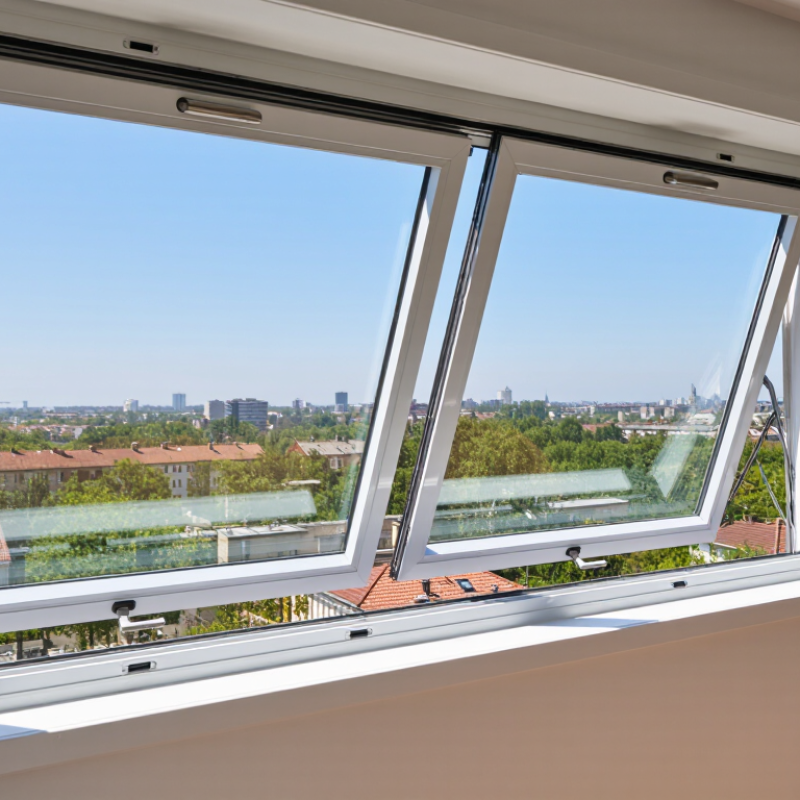
7 Best Horizontal Sliding Vinyl Windows for Global Buyers

What Are Horizontal Sliding Vinyl Windows?

Horizontal sliding vinyl windows have a simple structure: one sash moves sideways while another sash remains fixed. The moving panel runs along a horizontal track, usually with rollers, weatherstripping, and a locking mechanism. Vinyl frames use rigid PVC, which resists moisture, corrosion, and routine repainting. This makes them practical for apartments, coastal homes, and replacement projects.

Their real value depends on measurable performance, not appearance alone. The U.S. Department of Energy reports that windows can account for about 25% to 30% of residential heating and cooling energy use.

For global buyers, check the U-factor, solar heat gain coefficient, air leakage rating, and glazing configuration. Lower U-factor generally means better insulation.

However, a low U-factor may not suit every hot climate. That assumption can fail.

Horizontal sliders also offer wide ventilation openings and easy operation at low heights. Their weakness is the sliding track, where dust, sand, and water can collect. Poor drainage may cause friction or leakage. The National Fenestration Rating Council explains that certified ratings help compare window performance under standardized conditions. The 2024 International Energy Conservation Code also uses climate-specific fenestration requirements, showing why one specification cannot serve every region.

Before selecting among the 7 best horizontal sliding vinyl windows, verify local wind exposure, humidity, solar intensity, and installation quality. Installation is often the overlooked variable.

Key Features to Compare Across Global Window Models

7 Best Horizontal Sliding Vinyl Windows for Global Buyers

Key Features to Compare Across Global Window Models

Horizontal sliding vinyl windows should be compared by performance, not appearance alone. Check the frame’s U-factor, solar heat gain coefficient, air leakage, and visible transmittance. These values show how the window may perform in different climates. A low U-factor helps retain indoor heat, while a lower solar gain value can reduce overheating in sunny regions.

Glass selection needs practical attention. Double glazing may suit moderate climates, but triple glazing can improve comfort in colder areas. Low-emissivity coatings, argon-filled spaces, and warm-edge spacers also affect thermal results. I have found that shiny hardware attracts buyers, yet weak weather seals often create greater problems. Test the lock, rollers, and drainage paths. They should move smoothly and resist water entry.

Dimensions and installation details vary across countries. Compare rough-opening requirements, drainage design, frame depth, and local safety rules before ordering. Reinforced vinyl may handle larger sashes, but stronger frames can increase weight. That trade-off is easy to overlook. Ask for independent test reports covering wind resistance, water penetration, and air infiltration. Certification names differ globally, so verify the issuing body and test date. Review warranty coverage, replacement-part access, and installer training as carefully as the window itself. A beautiful model becomes inconvenient when one roller takes months to replace.

Seven Leading Horizontal Sliding Vinyl Window Options

Seven Leading Horizontal Sliding Vinyl Window Options

Horizontal sliding vinyl windows suit rooms needing wide ventilation without outward swing space. Global buyers can choose among seven practical options: single-slider, double-slider, three-panel, narrow-frame, insulated-glass, impact-rated, and thermally reinforced designs. Each serves a different climate and building condition.

A single-slider offers simple operation and lower maintenance. A double-slider allows easier cleaning from inside. Three-panel systems create broader openings for living rooms or commercial areas. Narrow-frame models increase visible glass, but may reduce structural strength. Insulated-glass windows improve comfort in hot or cold regions. Impact-rated versions support severe-weather planning where local codes require them. Thermally reinforced frames add stability, though they can increase cost and weight. I have found that smooth rollers matter more than decorative hardware. A beautiful window that sticks soon becomes frustrating.

Tips: Check wall dimensions at several points before ordering. Measure width, height, and frame depth. Ask for tested air, water, and wind performance. Confirm glazing specifications for the local climate. Review installation instructions with a qualified professional. Small gaps can cause drafts and moisture problems. Also inspect drainage paths before sealing the frame. This step is often overlooked. Some projects need stronger reinforcement than expected, especially with large glass panels. A lower price may hide thinner walls, weaker rollers, or limited replacement support. Compare documented test results, warranty terms, and available spare parts before choosing.

How to Choose the Right Window for Different Climates

Choosing among the seven best horizontal sliding vinyl windows starts with the climate, not appearance. In cold regions, select a low U-factor, insulated frames, and warm-edge spacers. These features reduce heat loss around the glass. Condensation matters. In hot climates, a lower solar heat gain coefficient can limit afternoon heat. Low-emissivity glass helps, but the ideal coating depends on window direction and local sunlight.

Humid and coastal areas require careful drainage and durable hardware. Look for sloped tracks, weep holes, and stainless or corrosion-resistant components. Vinyl resists moisture well, yet poor installation can still cause water damage. Ask for verified air-leakage and water-resistance ratings. Local building requirements may also demand impact-resistant glass in storm-prone regions. Check them before ordering.

For dry, high-temperature locations, examine frame expansion and the manufacturer’s tested temperature range. Dark finishes may absorb more heat, which can increase movement. In very cold zones, a multi-chamber frame and tight weather seals are practical choices. I once focused too much on glass performance and overlooked the track design. Dust quickly made the sash difficult to operate. Measure twice. Compare drainage, seals, ventilation, and maintenance access with equal care. A window that performs well in a laboratory may behave differently after imperfect installation. Certified testing is useful, but qualified local fitting remains essential.

7 Best Horizontal Sliding Vinyl Windows for Global Buyers

Climate suitability comparison based on insulation, solar control, moisture resistance, ventilation needs, and impact protection.

Triple-pane low-E glazing is generally strongest in cold climates because it reduces heat transfer. Spectrally selective and solar-control glazing performs better in hot climates by limiting solar heat gain. Laminated and impact-resistant configurations are more suitable for hurricane-prone coastal regions, while warm-edge spacers, insulated frames, and effective drainage improve performance in humid environments. Actual results depend on whole-window U-factor, solar heat-gain coefficient, air leakage, installation quality, and local building codes.

Installation, Maintenance, and International Buying Considerations

For global buyers, a horizontal sliding vinyl window must match the local climate, not only the product photograph. The U.S. Department of Energy’s Energy Saver guidance estimates that windows can cause 25–30% of residential heating and cooling energy use. Compare U-factor, solar heat gain coefficient, visible transmittance, and air leakage. Lower U-factor usually helps in cold regions, while a lower solar heat gain coefficient suits hot, sunny climates. ISO 10077-1 offers recognized methods for calculating window thermal performance.

Installation quality can decide whether those figures matter. The rough opening should be square, level, and slightly larger than the frame. Use compatible flashing, low-expansion foam, and exterior sealant. Do not block the sill drainage paths. A small installation error can create rattling, drafts, or hidden moisture. That part is often underestimated.

International buyers should confirm metric dimensions, glazing thickness, hardware direction, packaging strength, and replacement-part availability before ordering. Coastal projects may need corrosion-resistant rollers and fasteners. Cold regions may require insulated glazing and warmer edge spacers. In humid climates, inspect weep holes every few months and clean tracks with a soft brush. Avoid aggressive solvents; they can damage vinyl surfaces and seals. Ask for independently verified test reports, not only marketing claims. One weakness remains: laboratory ratings may not reflect poor installation, intense sunlight, or years of neglected maintenance.

FAQS

What performance values should buyers compare in horizontal sliding vinyl windows?

Check U-factor, solar heat gain, air leakage, and visible transmittance. These figures reveal climate performance better than appearance. Ratings are not everything.

Which glazing option suits different climates?

Double glazing may suit moderate climates. Triple glazing can improve comfort in colder regions. Low-emissivity coatings, gas-filled spaces, and warm-edge spacers may improve insulation.

What is the difference between single-slider and double-slider windows?

A single-slider usually offers simpler operation and lower maintenance. A double-slider allows easier cleaning from inside. Both need smooth rollers and reliable weather seals.

When is a three-panel window useful?

Three-panel systems create wider openings for living rooms or commercial spaces. They provide broad ventilation. Larger glass areas may require stronger reinforcement.

Are narrow-frame windows always better?

Narrow frames increase visible glass and natural light. However, they may provide less structural strength. More glass is not automatically better.

What installation details deserve close inspection?

Confirm the rough opening, frame depth, drainage design, and metric dimensions. The opening should be square, level, and slightly larger than the frame. Small gaps cause drafts.

How can buyers reduce water and moisture problems?

Keep sill drainage paths and weep holes clear. Use compatible flashing, low-expansion foam, and exterior sealant. Do not seal over drainage routes.

What should international buyers check before ordering?

Confirm glazing thickness, hardware direction, packaging strength, replacement parts, and local safety requirements. Request independent air, water, and wind test reports. Marketing claims may be incomplete.

How should sliding vinyl windows be maintained?

Clean tracks with a soft brush and inspect seals regularly. Avoid aggressive solvents. In humid climates, check drainage openings every few months.

What weakness should buyers remember about laboratory ratings?

Laboratory results may not reflect poor installation, strong sunlight, or neglected maintenance. A high rating can still disappoint. Real conditions matter.

Conclusion

Horizontal Sliding Vinyl Windows are practical, space-saving solutions that open by sliding along a track rather than swinging outward. This guide explains their basic construction, including vinyl frames, insulated glass, weather seals, rollers, and locking systems, while highlighting the main features global buyers should compare. These include thermal performance, air and water resistance, sound reduction, durability, ventilation, security, size flexibility, and compliance with regional building requirements.

It also reviews seven leading types of Horizontal Sliding Vinyl Windows, from compact designs for apartments to larger configurations suited to homes and commercial spaces. Buyers will learn how to select suitable glazing, frame profiles, and ventilation options for hot, cold, humid, windy, or mixed climates. The guide concludes with practical advice on accurate measurement, professional installation, routine cleaning, hardware care, drainage inspection, warranty evaluation, shipping, packaging, and communication with international suppliers.


Evelyn

Evelyn

Evelyn is a dedicated marketing professional and trusted contributor to our company’s knowledge center. With a strong understanding of market trends, customer needs, and product applications, Evelyn regularly creates clear, practical, and insightful blog articles that help readers make informed......